
France Secures Gulf Diesel Contracts to Counter Escalating Domestic Fuel Crisis
France has secured expanded refined fuel supply agreements with the United Arab Emirates and Bahrain, lifting monthly diesel commitments to 295,000 tonnes to cushion domestic markets against surging energy inflation.
Geopolitical & Core Developments
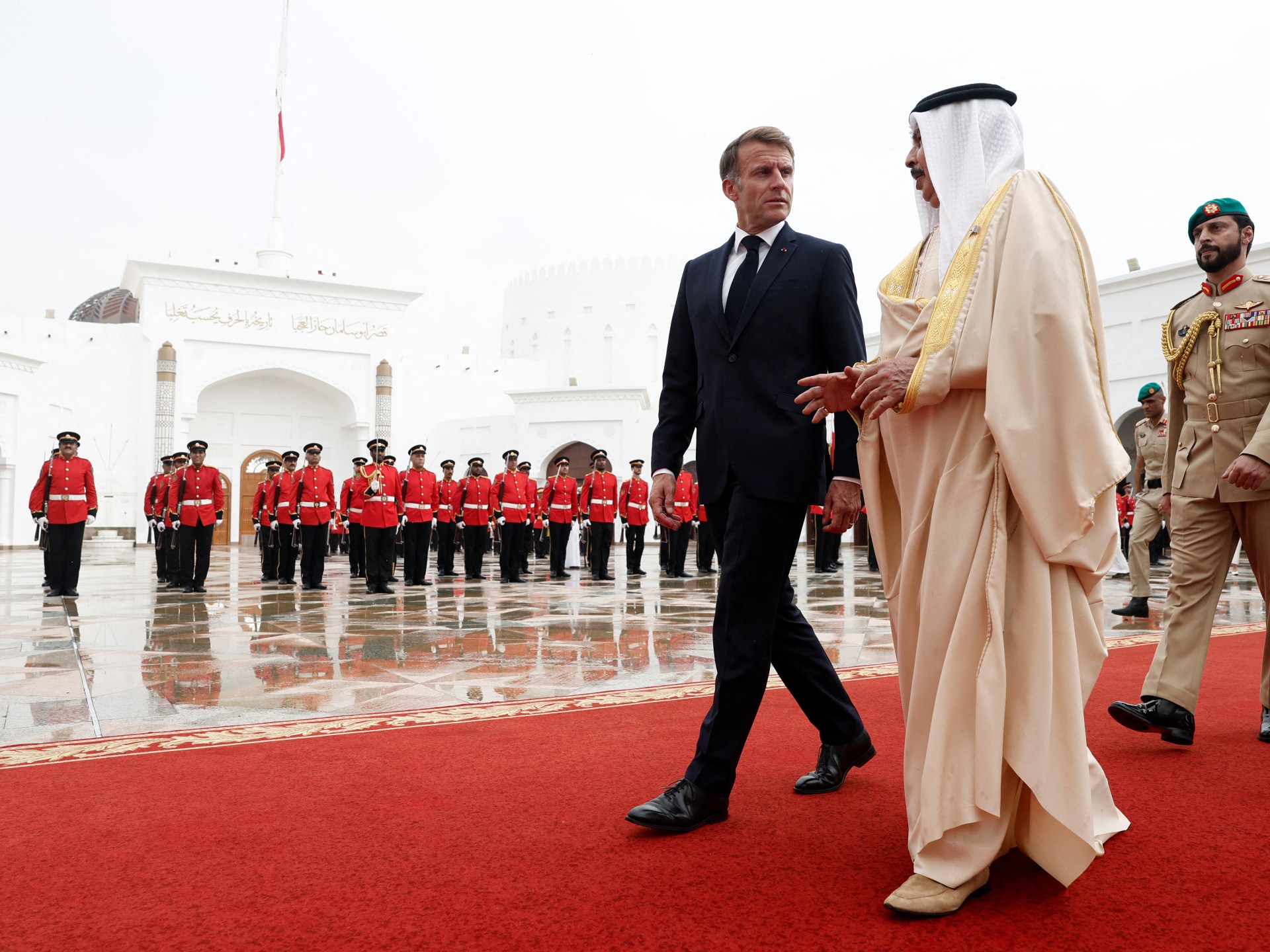
The French government has finalized substantial agreements with Arabian Gulf energy producers to secure additional volumes of middle distillates as Paris battles intense domestic fuel price pressures. Under the negotiated frameworks spearheaded by President Emmanuel Macron's administration, long-term procurement commitments with the United Arab Emirates and Bahrain have been expanded to 295,000 tonnes per month. This baseline volume represents just over 10 percent of France's aggregate domestic diesel consumption, establishing a critical buffer against ongoing refinery deficits and heightened market volatility across the European continent.
The diplomatic offensive reflects an ongoing realignment of European energy partnerships following the phased embargoes on Russian refined petroleum products. As French industrial hubs and transport sectors grapple with cost escalations, Paris has increasingly turned to traditional Gulf partners to secure firm physical delivery contracts. The diplomatic breakthrough underscores the strategic convergence between European energy security requirements and the downstream expansion programs orchestrated by state-backed Gulf national oil companies.
Global Trade & Economic Ripples
The redirection of Gulf middle distillates into Western Europe carries structural consequences for physical commodity flows, freight economics, and regional refining margins. Historically oriented toward East-of-Suez delivery hubs and intra-Asian demand centers, modern Gulf refineries—such as Abu Dhabi National Oil Company's Ruwais complex and Bahrain Petroleum Company's Sitra facilities—are increasingly structuring contractual pipelines toward Mediterranean and Atlantic basin terminals.
This structural pivot has elevated charter rates across Long Range (LR1 and LR2) product tanker segments servicing Arabian Gulf-to-Northwest Europe routes. Furthermore, locking in firm monthly volumes reduces spot market liquidity across regional trading hubs, insulating French buyers from sudden volatility while tightening available supply for Asian importers. For commercial shipping operations, managing prolonged transit schedules around the Cape of Good Hope amid Red Sea maritime security concerns continues to add ton-mile premiums, partially offsetting the price moderation targeted by direct government-backed contracts.
Related Intelligence: Russia Backs Iran Amid Rising Middle East Tensions and Energy Windfalls
International Reactions & Diplomatic Stances
The bilateral procurement expansion has drawn measured assessment across global energy institutions and diplomatic circles. Analysts from the International Energy Agency noted that sovereign-level term contracts for refined fuels illustrate the lingering structural vulnerability of European middle distillate markets. European Union energy ministers broadly welcomed France's proactive volume absorption, viewing the deals as vital stabilizing mechanisms that reduce panic-buying in continental benchmark trading hubs such as Amsterdam-Rotterdam-Antwerp.
Officials in Abu Dhabi and Manama framed the agreements as evidence of the Gulf Cooperation Council's indispensable role in guaranteeing international energy continuity. Conversely, domestic industrial lobbies in France, while acknowledging immediate relief at fuel distribution points, continue to push for deeper fiscal relief and sustained capital investment in domestic refining and biofuel conversion infrastructure to limit foreign import dependence.
Strategic Outlook & Future Scenarios
The trajectory of European diesel procurement indicates an era of institutionalized bilateral supply pacts taking precedence over purely market-driven spot procurement. Over the medium term, should French and broader European refining capacity remain constrained by maintenance backlogs and decarbonization mandates, reliance on Middle Eastern refining complexes will deepen. Key checkpoints for market participants include upcoming OPEC+ ministerial meetings and multilateral trade deliberations, where downstream quotas and global crude balances will be calibrated.
Geopolitical risks across strategic maritime bottlenecks remain the principal vulnerability for this trade channel. Prolonged disruptions along Red Sea trade corridors could test the economic sustainability of these long-distance contracts by compounding insurance surcharges and delivery lags. Nonetheless, France's structural tie-up with the UAE and Bahrain establishes an operational blueprint likely to be replicated by peer European economies seeking to anchor their refined fuel baselines amid a fragmented global supply matrix.
Join Our Official WhatsApp Channel
Receive live commodity alerts, policy changes, and commercial intelligence directly on WhatsApp.