
UN Extends Darfur Arms Embargo as Moscow and Beijing Block Wider Sudan Sanctions
The UN Security Council has renewed the Darfur arms embargo while Russia and China blocked a broader US push for nationwide sanctions, highlighting deep geopolitical divisions over the Sudan conflict.
Geopolitical & Core Developments
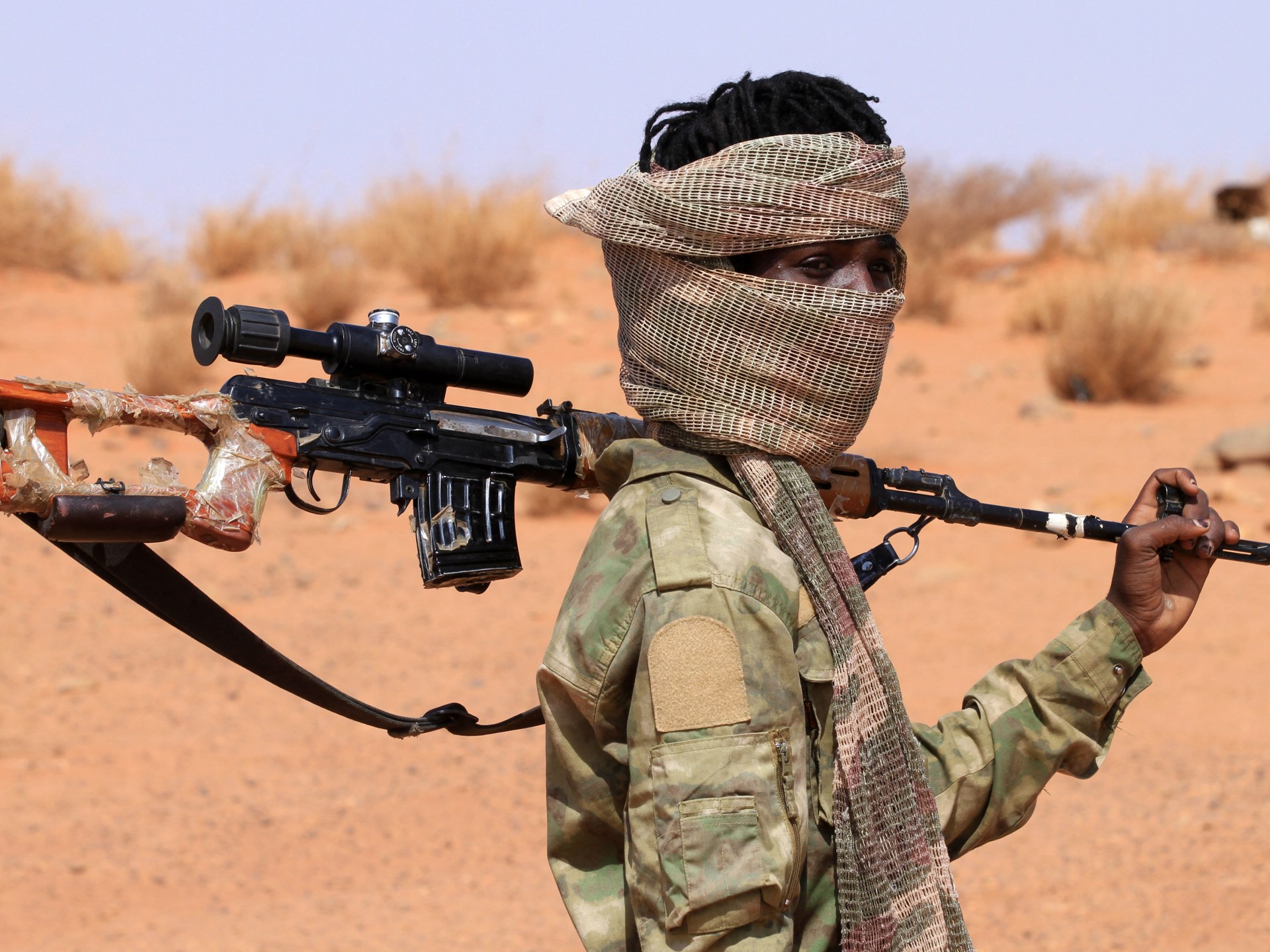
The United Nations Security Council voted to extend the longstanding arms embargo on Sudan's Darfur region, yet decisively blocked a broader American initiative aimed at imposing nationwide restrictions. The diplomatic standoff underscores profound divisions among permanent council members regarding the appropriate international response to the catastrophic civil conflict between the Sudanese Armed Forces (SAF) and the Rapid Support Forces (RSF). The United States, backed by several Western delegations, argued that expanding the arms embargo to cover the entirety of Sudan was imperative to halt the relentless flow of external weaponry fueling urban warfare, mass displacement, and widespread atrocities across multiple provinces. However, Moscow and Beijing exercised their veto power and diplomatic leverage to defeat the expansive proposal, maintaining that a nationwide embargo would undermine the legitimate authority of the central state apparatus and complicate fragile regional mediation efforts. The resolution's passage merely keeps the status quo ante in Darfur, leaving vast swathes of the country outside the restricted zone and vulnerable to illicit arms trafficking networks that exploit porous borders with neighboring Chad, Libya, and the Central African Republic.
[Global Trade](/news/wto-upgrades-global-trade-forecast-pakistan-gains-middle-east-disruptions) & Economic Ripples
While the diplomatic maneuvering played out in New York chambers, the commercial ramifications of unmitigated conflict in Sudan continue to reverberate across global commodity markets and strategic maritime trade routes. Sudan occupies a critical geopolitical nexus linking East Africa, the Sahel, and the Red Sea corridor—a vital artery for international shipping connecting the Suez Canal to the Indian Ocean. Persistent hostilities have crippled domestic agricultural production, turning a historical breadbasket into a food-insecurity hotspot and disrupting global exports of gum arabic, sesame, and livestock. Furthermore, infrastructural damage to ports, refineries, and transport logistics has heightened insurance premiums and freight rates for vessels navigating the southern approaches of the Red Sea. International trading houses and energy conglomerates are closely monitoring the security vacuum, fearful that prolonged state collapse could spill over into vital energy transit chokepoints and destabilize broader regional supply chains vital to European and Asian markets.
Related Intelligence: WTO Upgrades Global Trade Forecast as Pakistan Gains from Middle East Disruptions
International Reactions & Diplomatic Stances
Official reactions to the Security Council compromise reflect deep polarization within the multilateral framework. Western diplomats expressed profound disappointment over the failure to secure a comprehensive nationwide arms embargo, warning that piecemeal measures fail to address the systemic nature of the violence. Conversely, Russian and Chinese representatives defended their blocking stance, emphasizing the necessity of respecting national sovereignty and accusing Western powers of applying selective pressure that disregards the complexities on the ground. Representatives from regional bodies, including the Intergovernmental Authority on Development (IGAD) and the African Union, reiterated calls for a unified international front, cautioning that great power competition within the UN chamber directly impedes coordinated humanitarian relief operations and obstructs viable pathways toward a durable ceasefire and inclusive political transition.
Strategic Outlook & Future Scenarios
Looking ahead, the limitation of the UN arms embargo signals an extended horizon of conflict with severe consequences for regional stability and global trade security. Without a unified coercive framework from the Security Council, the warring factions are unlikely to feel compelled to negotiate in good faith, increasing the probability of protracted partition-style dynamics or complete state fragmentation. Upcoming multilateral summits and emergency diplomatic conferences will likely focus on regional containment strategies led by neighboring states rather than centralized UN enforcement. For international commodities traders and shipping operators, the baseline outlook remains defined by heightened risk premiums, irregular supply flows, and persistent geopolitical volatility along the vital East African littoral.
Join Our Official WhatsApp Channel
Receive live commodity alerts, policy changes, and commercial intelligence directly on WhatsApp.