
Pakistan Adjusts Fuel Prices as Petrol Rises to Rs398.96
The government has raised petrol prices to Rs398.96 per litre while slightly lowering high-speed diesel to Rs395.72, maintaining substantial petroleum levies amid ongoing economic pressures.
The Core Development
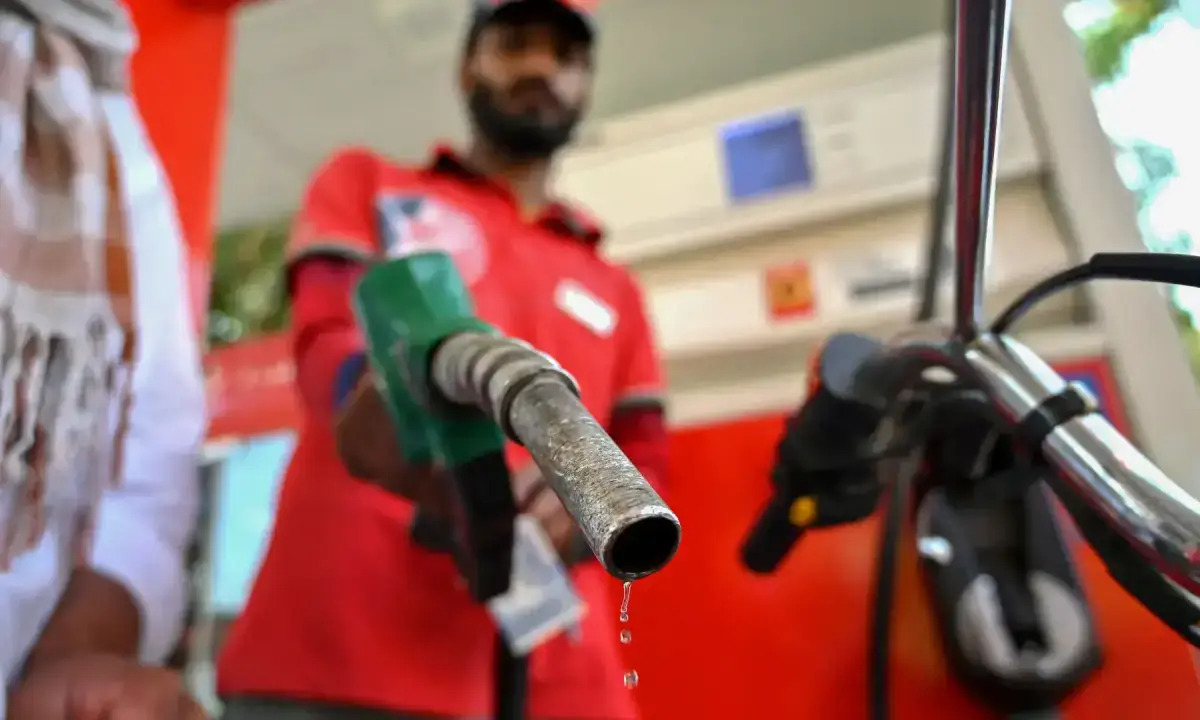
In a notification issued by the Petroleum Division, the federal government announced a minor upward adjustment in the price of petrol, raising it by Rs2.31 per litre, alongside a marginal decrease of Re0.78 per litre for high-speed diesel (HSD). Following the latest revision, which became effective on Friday, October 9, petrol is now retailing at Rs398.96 per litre. Meanwhile, high-speed diesel stands at Rs395.72 per litre.
This adjustment reflects the continuous monitoring of international petroleum markets and exchange rate fluctuations by regulatory bodies. The current pricing structure includes heavy government levies, maintaining Rs114 per litre in taxes and duties on petrol and Rs100 per litre on diesel. These figures underscore the state's reliance on petroleum taxation as a critical revenue generation tool to meet fiscal deficit targets agreed upon with international financial institutions.
Contextually, fuel prices in Pakistan have experienced significant volatility over the preceding months. High-speed diesel had previously surged to a historic peak of Rs520.35 on April 3, driven by a sharp upward trajectory that began at Rs281 per litre following geopolitical disruptions in the Middle East, specifically the US-Iran conflict that erupted on February 28. Similarly, petrol prices had climbed to a peak of Rs458.41 on April 3 before entering a phase of gradual correction.
Commercial & Economic Implications
The stabilization of fuel prices near current elevated levels carries profound implications for Pakistan's commercial landscape, retail trade, and broader macroeconomic indicators. Transport and logistics sectors, which form the backbone of the domestic supply chain, continue to operate under high overhead costs. Although the minor reduction in high-speed diesel provides slight relief to freight operators and agricultural machinery owners, the overall cost of moving goods across the country remains stubbornly high.
For wholesale distribution networks and retail markets, sustained high fuel costs translate directly into elevated prices for consumer goods and food items. Logistics expenses compound at every stage of the supply chain, exacerbating inflationary pressures on households already grappling with diminished purchasing power. Small and medium enterprises, particularly those dependent on captive power generation or extensive distribution networks, face compressed profit margins as they absorb or pass on these energy costs.
Related Intelligence: WTO Upgrades Global Trade Forecast as Pakistan Gains from Middle East Disruptions
Stakeholder Perspectives & Market Reactions
Business and trade associations across Pakistan have expressed cautious concern over the persistence of heavy petroleum taxation. Representatives from transport unions and industrial chambers have repeatedly argued that levies totaling over Rs100 per litre on essential fuels stifle industrial competitiveness and burden the common citizen. While the marginal decrease in diesel has been welcomed as a step in the right direction, stakeholders maintain that broader structural relief is necessary to stimulate economic activity.
Economic analysts point out that while international oil prices have retreated from their earlier extreme spikes, domestic retail rates remain high primarily due to heavy taxation and debt servicing commitments. Official statements from economic managers emphasize the delicate balance between maintaining revenue collection for fiscal consolidation and protecting vulnerable segments of the population from severe price shocks.
Forward Outlook & Key Watchpoints
Looking ahead, domestic petroleum prices will remain tethered to global crude oil benchmarks, regional geopolitical developments, and the stability of the Pakistani rupee against the US dollar. Market observers will closely monitor bi-weekly price reviews conducted by the Oil and Gas Regulatory Authority (OGRA) and the Ministry of Finance.
Key watchpoints for the coming weeks include potential shifts in international supply chains, upcoming macroeconomic reviews by multilateral lenders regarding tax collection targets, and any policy adjustments concerning petroleum development levies. Sustainable economic recovery will depend heavily on whether energy pricing policies can achieve a balance between fiscal prudence and industrial viability.
Join Our Official WhatsApp Channel
Receive live commodity alerts, policy changes, and commercial intelligence directly on WhatsApp.