
Karachi Mob Intervenes as Street Crime Threatens Commercial Confidence
Bystanders in Karachi's Korangi area thwarted a broad-daylight armed robbery by pelting suspects with stones, highlighting escalating security concerns for local commerce.
The Core Development
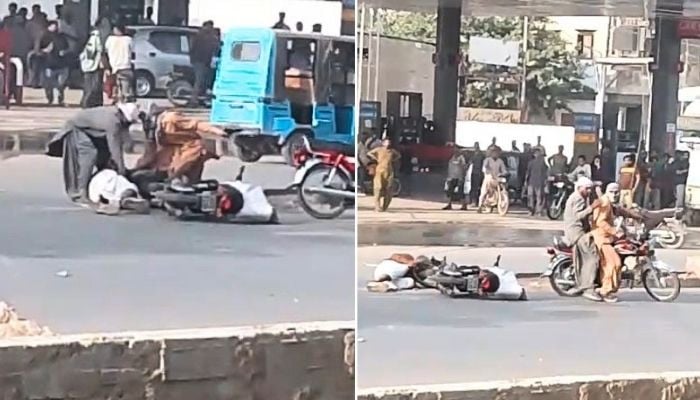
A disturbing yet emblematic incident of civic pushback unfolded in Karachi's bustling Korangi industrial and residential zone, where viral mobile phone footage captured two suspected armed criminals attempting to loot a citizen in broad daylight. Rather than submitting to the assailants, local bystanders and pedestrians intervened directly, pelting the fleeing suspects with stones and forcing them to abandon their heist empty-handed. The incident underscores a growing breakdown of traditional law enforcement deterrence in Pakistan's premier financial hub, compelling ordinary citizens to take defensive measures against rampant street crime.
The confrontation occurred on a busy thoroughfare, a location critical to daily retail foot traffic and commercial transit. According to eyewitness accounts, the suspects on a motorcycle targeted a lone civilian, brandishing weapons to coerce compliance. However, the density of the surrounding market area and the collective outrage of nearby shopkeepers and laborers enabled a rapid, spontaneous counter-attack. While the suspects managed to escape arrest by fleeing the scene on their motorcycle, the episode highlights the vulnerability of urban zones where police patrols remain sporadic or entirely absent during peak business hours.
Commercial & Economic Implications
For Kalyar Traders and the wider business community in Pakistan, surging street crime in Karachi is far more than a law and order issue—it is a severe drag on commercial economic activity. Retail trade, wholesale distribution, and micro-enterprises depend heavily on secure environments for cash handling, inventory transport, and customer foot traffic. When armed robberies become a routine hazard, retail outlets are forced to curtail operating hours, cutting into daily turnover and lowering productivity.
Furthermore, persistent insecurity inflates operational costs. Businesses must invest heavily in private security guards, reinforced storefronts, surveillance infrastructure, and secure logistics, expenses that ultimately pressure profit margins and drive up retail prices for consumers. In a macroeconomic environment already strained by high inflation and tight monetary policy, these localized security premiums exacerbate cost-of-living pressures. Supply chains linking Karachi's ports to wholesale markets face disruptions as transport operators weigh the risks of moving high-value goods through vulnerable urban corridors.
Related Intelligence: Kalyar Traders Warns Economic Fallout as PPP Urges Political Restraint
Stakeholder Perspectives & Market Reactions
Trade bodies, chambers of commerce, and retail associations have repeatedly voiced deep alarm over the deteriorating security apparatus in Karachi. Representatives from major market associations note that extortion, snatchings, and armed holdups have transformed routine commercial operations into high-risk endeavors. Business leaders argue that federal and provincial authorities must treat urban crime as a critical economic crisis, warning that persistent lawlessness deters vital domestic and foreign investment in the retail and logistics sectors.
Legal experts and civil society observers have expressed mixed reactions to the Korangi incident. While public heroism prevented a localized crime, legal analysts caution that encouraging mob justice or citizen vigilantism poses severe long-term dangers to civil order. The reliance on civilian stone-pelting highlights a dangerous vacuum left by law enforcement agencies, signaling a loss of public confidence in formal policing and judicial swiftness.
Forward Outlook & Key Watchpoints
Addressing Karachi's street crime epidemic requires concerted policy enforcement, intelligent policing, and structural intelligence-sharing between law enforcement agencies and commercial districts. Key watchpoints for the business community include the deployment of smart surveillance networks in high-density commercial zones, increased police mobile patrols during peak trading hours, and the establishment of dedicated rapid-response units for industrial and retail hubs.
Unless provincial authorities implement robust, sustained security interventions, commercial confidence will continue to erode, potentially triggering capital flight from traditional market centers toward heavily guarded commercial enclaves. Kalyar Traders will closely monitor municipal policy shifts and police deployment metrics to assess risk levels for upcoming wholesale and retail distribution cycles.
Join Our Official WhatsApp Channel
Receive live commodity alerts, policy changes, and commercial intelligence directly on WhatsApp.