
Prime Minister Shehbaz Arrives in New York for UNGA High-Level Segment
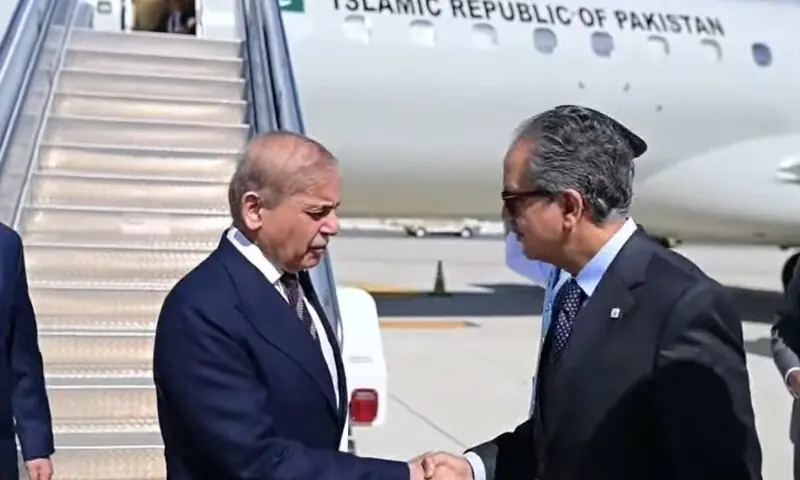
Prime Minister Shehbaz Sharif landed in New York on Monday to participate in the 81st UNGA high-level session, aiming to advance Pakistan's diplomatic, trade, and economic engagements.
The Core Development
Prime Minister Shehbaz Sharif arrived in New York on Monday to lead Pakistan's high-level delegation at the 81st session of the United Nations General Assembly (UNGA). According to the Prime Minister's Office (PMO), the premier landed in the United States to participate in the high-level segment scheduled to take place from September 21 to 25. The delegation aims to articulate Pakistan's stance on critical international issues, climate vulnerability, and sustainable development goals.
Ahead of the prime minister's arrival, Deputy Prime Minister and Foreign Minister Ishaq Dar reached New York earlier on Monday, as confirmed by the Foreign Office (FO). On the sidelines of the unfolding UNGA proceedings, Mr. Dar engaged in diplomatic consultations, notably meeting with France's Foreign Minister Jean-Noël Barrot. The discussions centered on strengthening bilateral cooperation, enhancing political dialogue, and reviewing regional as well as global developments of mutual concern.
Commercial & Economic Implications
While high-level diplomatic summits primarily address geopolitical affairs, participation at the UN General Assembly carries profound economic ramifications for emerging markets like Pakistan. Engaging with global financial leaders, multilateral institutions, and bilateral partners provides Islamabad a vital platform to advocate for climate financing, debt restructuring frameworks, and foreign direct investment (FDI) inflows.
For Pakistani commercial sectors, wholesale distributors, and retail supply chains, sustained diplomatic stability directly influences foreign exchange reserves, currency valuation, and import financing costs. Enhanced political engagement with European economic powerhouses, such as France, fosters favorable trade conditions, potentially securing preferential market access and safeguarding vital export corridors for textiles, agricultural goods, and manufactured commodities. Stability in international relations directly curbs inflationary pressures linked to petroleum imports and external debt servicing burdens.
Related Intelligence: Pakistan Adjusts Fuel Tariffs as Petrol Rises and Diesel Dips
Stakeholder Perspectives & Market Reactions
Business councils, corporate leaders, and trade associations in Pakistan have closely monitored the diplomatic itinerary in New York. Industry bodies emphasize that proactive economic diplomacy is indispensable for restoring investor confidence and stabilizing macroeconomic indicators. Representatives from leading chamber of commerce networks noted that high-level international engagements signal policy continuity, which is paramount for long-term domestic and foreign capital allocation.
Official statements from the Foreign Office underscore Pakistan's renewed commitment to deepening trade and economic partnerships globally. The constructive dialogue between Deputy Prime Minister Ishaq Dar and French Foreign Minister Jean-Noël Barrot regarding enhanced commercial collaboration has been well-received by business stakeholders looking to expand bilateral trade volumes and joint ventures.
Forward Outlook & Key Watchpoints
Relying on the momentum generated during the UNGA week, Pakistani policymakers face the critical task of translating diplomatic overtures into concrete commercial agreements. Key watchpoints over the coming months include follow-up bilateral trade delegations, progress on climate resilience funding disbursements, and reviews by international financial institutions regarding structural economic reforms.
Market participants and business analysts will observe whether these high-level interactions yield tangible reductions in trade barriers and foster favorable financing terms for Pakistan's external account. The success of this diplomatic mission will ultimately be measured by its contribution to sustained macroeconomic stability, industrial growth, and domestic market confidence.
Join Our Official WhatsApp Channel
Receive live commodity alerts, policy changes, and commercial intelligence directly on WhatsApp.