
Indian Youth Resistance Challenges Prime Minister Modi Amid Deepening Economic Fractures
Surging youth-led political mobilization against Prime Minister Narendra Modi's administration introduces domestic political risk into India's economic growth projections.
Geopolitical & Core Developments
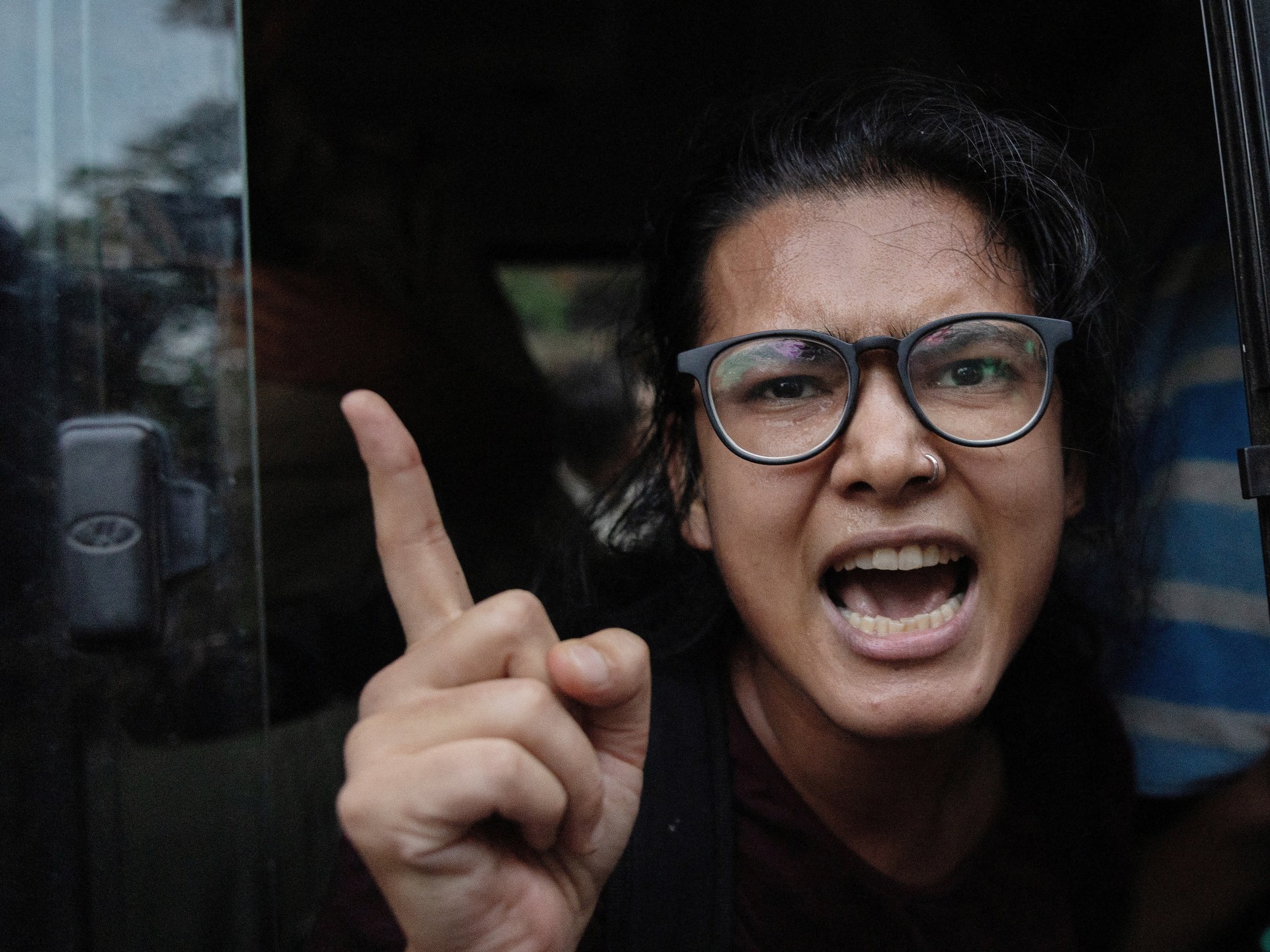
The emergence of student activist Neha Bora as a prominent figure in India's widening youth opposition movement marks a notable shift in the country's domestic political dynamics. Operating at the intersection of university campuses, organized labor syndicates, and civil society networks, Bora has consolidated disparate pockets of unrest into a unified front challenging Prime Minister Narendra Modi's Bharatiya Janata Party (BJP) administration. The movement has expanded beyond traditional ideological redoubts, drawing support from regional political factions, agrarian collectives, and urban youth confronting historic levels of graduate underemployment.
Over the past six months, demonstrations have transitioned from localized campus agitation against educational policy overhauls into sustained national rallies questioning the state's socio-economic trajectory and democratic norms. For New Delhi, the consolidation of a youth-driven resistance poses strategic vulnerabilities. With parliamentary coalitions facing volatile regional elections, the resurgence of grassroots opposition threatens the legislative execution of long-pending structural overhauls, complicating the administration's projected image of unified governance on the international stage.
Global Trade & Economic Ripples
The domestic political friction arrives at a critical juncture for India's strategic positioning within global supply chains. As multinational corporations pursue 'China-plus-one' diversification strategies, prolonged socio-political unrest within key industrial corridors risks elevating sovereign risk premiums. Demonstrations impacting logistics networks and educational hubs have already introduced operational volatility for technology, manufacturing, and transport infrastructure sectors.
From a macroeconomic perspective, sustained domestic instability threatens to temper foreign institutional investor (FII) inflows, which have been pivotal in underwriting India's capital markets and equity valuations. Analysts at major credit rating agencies note that rising socio-political polarization could weigh on fiscal consolidation targets, especially if the central government is compelled to increase welfare outlays to placate domestic dissent. Furthermore, currency markets have exhibited sensitivity, with the Indian Rupee facing episodic depreciation pressures against the US Dollar as offshore investors balance robust headline GDP figures against mounting socio-political friction.
Related Intelligence: Prime Minister Addresses Apex Committee Following Khyber Pakhtunkhwa Governance Overhaul
International Reactions & Diplomatic Stances
Multilateral bodies and western trading partners are observing the situation with measured concern. The United Nations High Commissioner for Human Rights (OHCHR) has consistently emphasized the imperative for democratic states to preserve peaceful assembly and academic freedom, urging New Delhi to ensure balanced law-enforcement engagement with student demonstrators.
In Western capitals, particularly Washington and London, official commentary remains diplomatically restrained due to India's foundational role within the Quadrilateral Security Dialogue (Quad) and Indo-Pacific maritime security frameworks. However, human rights committees within the European Parliament and the United States Congress have voiced renewed apprehension regarding civil liberties and freedom of expression in the subcontinent. Global financial institutions and emerging-market risk analysts have similarly issued advisory notes, urging multinational enterprises to stress-test domestic supply chains against localized transportation strikes and regulatory shifts.
Strategic Outlook & Future Scenarios
The strategic trajectory of Bora's movement hinges on its institutional durability ahead of crucial regional state elections. If the youth coalition successfully cements permanent ties with organized labor and rural farm unions, the Modi administration may face an unprecedented multi-sectoral challenge to its governance agenda. Such an escalation would likely necessitate heavy policy concessions, particularly regarding youth job guarantees and state expenditure on public higher education.
Conversely, intensified state administrative responses risk drawing sharper scrutiny from international civil society and human rights entities, potentially complicating bilateral free trade agreement negotiations with the European Union and the United Kingdom. For international investors, the primary monitorable will be the administration's ability to maintain institutional stability without disrupting industrial production or capital market momentum in the quarters ahead.
Join Our Official WhatsApp Channel
Receive live commodity alerts, policy changes, and commercial intelligence directly on WhatsApp.