
Government Emphasizes Agenda Over Venue in Renewed Political Dialogue Push
The federal government has indicated that core negotiating terms take precedence over meeting logistics, signaling an effort to defuse political deadlock and secure macroeconomic continuity.
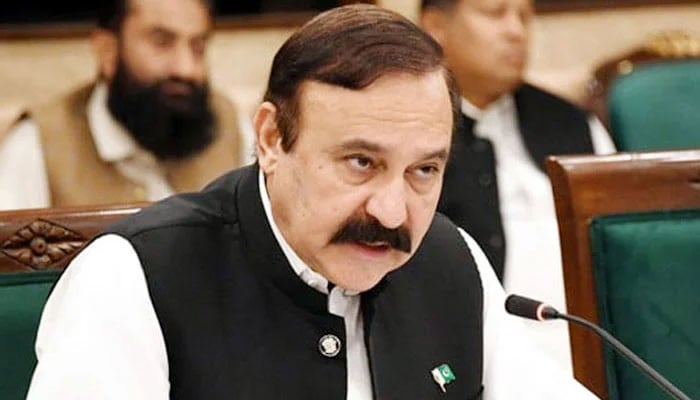
The Core Development
In an effort to temper persisting institutional and political friction, federal ministers have signaled a strategic shift toward substantive negotiations, maintaining that the underlying agenda of prospective talks remains far more consequential than the location of engagement. Amid mounting back-channel communications and public calls for broader reconciliation, official government spokespersons reiterated that dialogue can only yield durable outcomes if predicated on constitutional supremacy, economic consensus, and institutional stability.
Speaking on the ongoing mediation efforts, senior cabinet members underscored that prolonged wrangling over procedural technicalities, including the choice of venue and delegated intermediaries, risks stalling critical progress. The administration affirmed its readiness to entertain structured discourse, provided the discussions address fundamental governance challenges rather than transient political posturing. The overture arrives at a sensitive juncture, characterized by ongoing judicial reviews, legislative milestones, and heightened public scrutiny regarding executive governance.
Commercial & Economic Implications
For Pakistan's commercial landscape, the persistence of political polarization carries direct and measurable costs. Wholesale distribution networks, commodity trading hubs, and retail markets across urban centers such as Karachi, Lahore, and Faisalabad have repeatedly borne the brunt of abrupt supply disruptions triggered by political agitation. The prospect of an institutional detente offers immediate psychological relief to domestic supply chains.
Commercial enterprises have operated under protracted operational uncertainty, navigating elevated benchmark policy rates, fluctuating energy tariffs, and foreign exchange constraints. A coordinated political framework is increasingly viewed by economists as an essential precursor to stabilizing market fundamentals. Continued governance deadlocks risk undermining fiscal consolidations demanded by international lenders, which could subsequently heighten inflationary pressures and elevate retail financing costs for small and medium-sized enterprises (SMEs).
Related Intelligence: Sudan Drone Warfare Escalation Threatens Red Sea Supply Chains and Civilians
Stakeholder Perspectives & Market Reactions
Business organizations and representative trade bodies have reacted to the dialogue overtures with cautious optimism. Leaders within the Federation of Pakistan Chambers of Commerce and Industry (FPCCI) and major retail associations have repeatedly emphasized that political discord remains a primary impediment to domestic capital deployment and commercial expansion. Traders across major wholesale grain, textile, and hardware markets have echoed these sentiments, noting that prolonged friction suppresses retail footfall and tightens inventory turnover.
Legal and policy analysts note that the government's insistence on an agenda-driven process reflects an awareness that superficial photo-ops fail to reassure nervous markets. Conversely, opposition figures continue to demand reciprocal confidence-building measures, questioning whether the dialogue push represents a genuine attempt at conflict resolution or tactical maneuvering. Financial analysts track these developments closely, observing that equity markets and currency valuations consistently fluctuate in tandem with political sentiment.
Forward Outlook & Key Watchpoints
Moving forward, market participants will closely monitor whether formal frameworks replace rhetoric in the coming weeks. Crucial indicators include the establishment of formal parliamentary committees, cross-party consultations on fiscal policies, and the cessation of disruptive street-level mobilization.
The durability of any prospective consensus will face immediate tests regarding regulatory reforms, energy sector adjustments, and foreign direct investment initiatives under the Special Investment Facilitation Council (SIFC). Should political actors prioritize substantive negotiations over procedural delays, the Pakistani retail and wholesale trade ecosystems could witness a marked stabilization in trading volumes and business sentiment through the remainder of the fiscal year.
Join Our Official WhatsApp Channel
Receive live commodity alerts, policy changes, and commercial intelligence directly on WhatsApp.