
Australian Intelligence Joins Probe Into Flydubai Co-Pilot Links
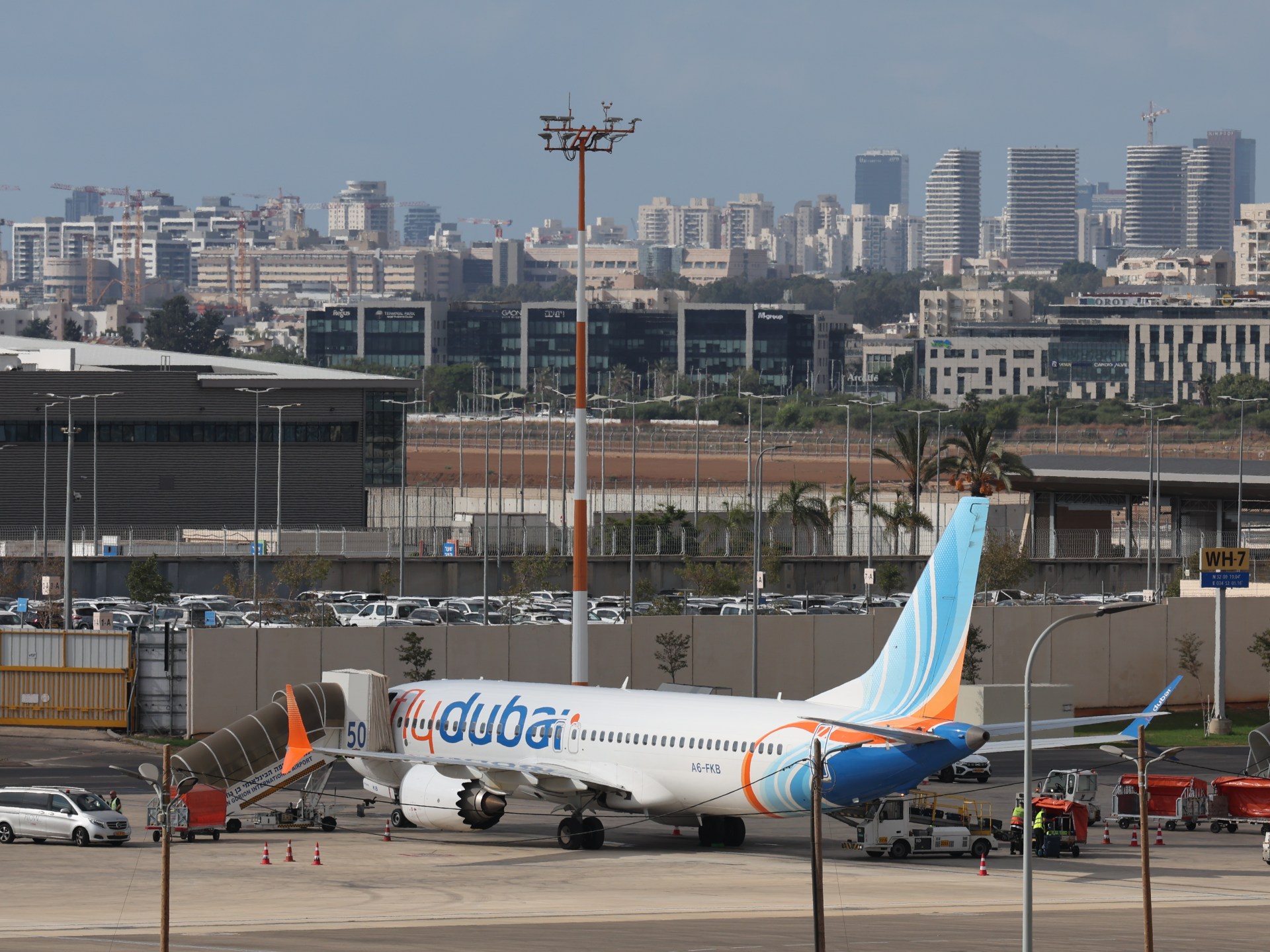
Australian police and intelligence agencies have joined international probes examining a Flydubai co-pilot's local ties, heightening scrutiny over aviation security and cross-border intelligence sharing.
Geopolitical & Core Developments
Australian federal law enforcement and intelligence agencies have formally integrated into a burgeoning multinational investigation examining the local ties of a Flydubai co-pilot. The probe, which spans multiple jurisdictions across the Middle East, South Asia, and the Indo-Pacific, underscores the complex security matrix governing modern commercial aviation. State actors and intelligence services are increasingly collaborating to trace cross-border associations, digital footprints, and potential security vulnerabilities within civilian flight operations.
The involvement of Australian authorities highlights the globalized nature of contemporary security threats, where personnel operating commercial fleets across strategic air corridors are subjected to heightened background verifications. While official statements remain measured, diplomatic channels between Canberra and regional capitals have intensified to facilitate information sharing, biometric tracking, and financial auditing. This development reflects a broader tightening of international aviation oversight, driven by heightened threat perceptions among Western intelligence alliances and their regional partners.
Global Trade & Economic Ripples
Although the investigation remains centered on security and personnel verification, international markets are closely watching for potential secondary impacts on commercial aviation logistics, cargo transit, and regional carrier valuations. Flydubai, a critical connector linking Middle Eastern financial hubs with destinations across Europe, Africa, and Central Asia, operates in tight synergy with major freight and passenger networks. Any systemic regulatory tightening or delays in crew certifications could ripple across global supply chains that rely on predictable belly-hold cargo capacity for high-value commodities and electronics.
Furthermore, the incident places a renewed spotlight on the operational costs associated with compliance and background vetting within the global aviation sector. Insurance underwriters and leasing firms are continuously reassessing risk premiums linked to geopolitical instability and personnel compliance. While immediate disruptions to scheduled passenger and freight routes have been minimal, prolonged investigations could prompt regulatory bodies in key consumer markets to demand more rigorous, uniform international standards for aircrew vetting, potentially increasing operational expenditure for carriers navigating the post-pandemic recovery landscape.
Related Intelligence: US Marine Arrested in Okinawa Sparking Fresh Diplomatic Friction
International Reactions & Diplomatic Stances
Multilateral bodies, including the International Civil Aviation Organization (ICAO), have emphasized the necessity of balancing stringent security protocols with the smooth facilitation of global transit. Diplomatic representatives from nations affected by the flight routes of the carrier in question have maintained close contact with regional civil aviation authorities to ensure transparency and prevent misunderstandings. Market analysts note that while formal diplomatic friction has been avoided through proactive cooperation, Western intelligence agencies are signaling a zero-tolerance approach toward unverified security clearances in international transit hubs.
Industry associations have urged calm, cautioning against premature conclusions while investigations proceed under due legal process. Nonetheless, financial analysts suggest that sovereign risk assessments for carriers operating extensive routes through complex geopolitical zones may face downward pressure if intelligence-sharing mechanisms reveal systemic vulnerabilities in cross-border personnel screening frameworks.
Strategic Outlook & Future Scenarios
Looking ahead, the investigation is expected to catalyze broader discussions at upcoming international transport and security summits regarding standardized global background checks for commercial airline crews. Intelligence sharing between Indo-Pacific nations and Middle Eastern states is likely to institutionalize further, moving toward automated biometric and financial intelligence exchanges.
For commercial operators, this points toward an era of more intrusive regulatory oversight, potentially reshaping hiring practices and security compliance protocols across global carriers. As geopolitical rivalries intersect with critical infrastructure protection, the intersection of aviation logistics and national security will remain a primary focal point for policymakers and global market participants alike.
Join Our Official WhatsApp Channel
Receive live commodity alerts, policy changes, and commercial intelligence directly on WhatsApp.