
Jack Smith Defends Special Counsel Probes Amid Intense US Senate Scrutiny
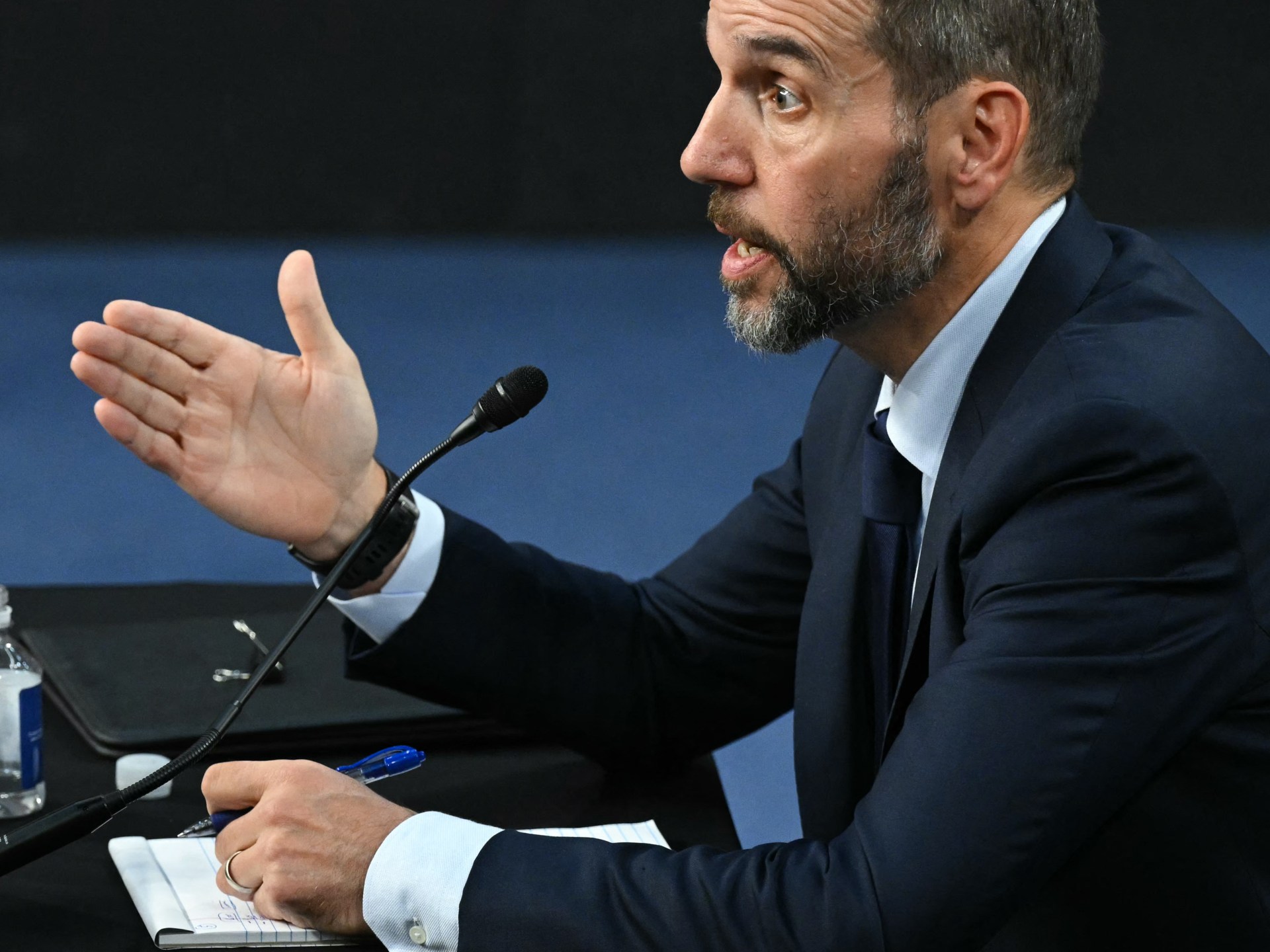
Former US special counsel Jack Smith robustly defended his investigations into Donald Trump during a contentious Senate hearing, rejecting allegations of partisan bias.
Geopolitical & Core Developments
Former United States special counsel Jack Smith faced intense questioning during a high-stakes Senate Judiciary Committee hearing, where he robustly defended the integrity and impartiality of his comprehensive investigations into Donald Trump. The proceedings, marked by sharp partisan divisions, centered on allegations from Republican lawmakers that the Department of Justice's probes improperly targeted conservatives and constituted a weaponization of federal law enforcement. Smith firmly rejected these accusations, maintaining that all investigative steps were strictly tethered to established legal standards, statutory mandates, and the collection of objective evidence regarding classified documents and election interference.
The hearing underscores the profound institutional friction defining contemporary American governance. As the United States navigates a volatile transition period following recent electoral shifts, the constitutional friction between the executive branch, the judiciary, and legislative oversight bodies remains acute. State actors and international observers are closely monitoring these domestic legal battles, as the stability and predictability of United States foreign policy and regulatory enforcement heavily depend on the perceived legitimacy of its federal institutions. The fallout from these investigations extends far beyond domestic partisan squabbling, touching upon core questions regarding the rule of law in the world's largest economy.
Global Trade & Economic Ripples
While the immediate subject matter of the Senate hearing was domestic political and legal accountability, international commodity markets and global trade networks are acutely sensitive to shifts in American political stability. Global energy markets, currency values, and supply chain logistics often react swiftly to perceived shifts in United States regulatory enforcement and foreign policy direction. International investors and commodity traders view institutional continuity in Washington as a vital anchor for global economic predictability, particularly regarding sanctions regimes, trade agreements, and multilateral financial architectures.
Uncertainty surrounding the direction of American governance can induce volatility in foreign exchange markets, notably influencing the valuation of the US dollar against major trading currencies. Furthermore, any sustained political polarization that impedes legislative consensus or executive execution can ripple through global supply chains, affecting trade pact negotiations and tariff policies. Multinational corporations and commodity syndicates must continuously re-evaluate risk models to account for potential policy reversals or regulatory tightening stemming from shifting political dynamics in the United States.
Related Intelligence: Trump Pledges Intensive Midterm Campaigning Amid Economic and Foreign Policy Headwinds
International Reactions & Diplomatic Stances
Diplomatic corps and international bodies, including the United Nations and allied governments across Europe and the Indo-Pacific, are monitoring the ongoing American legal and political drama with intense scrutiny. While foreign officials typically adhere to diplomatic protocols of non-interference in domestic judicial proceedings, multilateral analysts privately express concern regarding the polarization of American democratic institutions. Global partners rely heavily on the United States to maintain a predictable rules-based international order, and prolonged domestic friction is frequently interpreted as a potential vulnerability in international negotiations.
Market analysts and geopolitical risk consultancies have issued advisory notes highlighting that the erosion of bipartisan consensus in Washington complicates international treaty ratifications and long-term strategic commitments. Foreign capitals are increasingly hedging their diplomatic and economic strategies, preparing for potential shifts in American foreign policy priorities as domestic investigations and legislative oversight battles continue to dominate the political landscape.
Strategic Outlook & Future Scenarios
Looking ahead, the trajectory of these investigations and the ongoing legislative inquiries will likely cast a long shadow over upcoming international summits, trade negotiations, and diplomatic engagements. As the United States prepares for future electoral cycles and administrative transitions, the precedent set by the special counsel's investigations will heavily influence how future executive overreach and legal accountability are managed.
Geopolitical escalation points may emerge if legislative oversight committees pursue aggressive subpoenas or legislative restrictions aimed at altering the Department of Justice's investigative independence. For global commodity traders and international strategists, navigating this environment requires agility and rigorous risk assessment, as the domestic legal battles in Washington continue to generate profound secondary impacts across international trade, currency stability, and geopolitical alignment.
Join Our Official WhatsApp Channel
Receive live commodity alerts, policy changes, and commercial intelligence directly on WhatsApp.