
Moroccan Protests Test Rabat's Strategic Normalization and Trade Ties with Israel
Mass protests across Morocco expose growing friction between popular pro-Palestine sentiment and Rabat's expanding diplomatic, security, and economic agreements with Israel.
Geopolitical & Core Developments
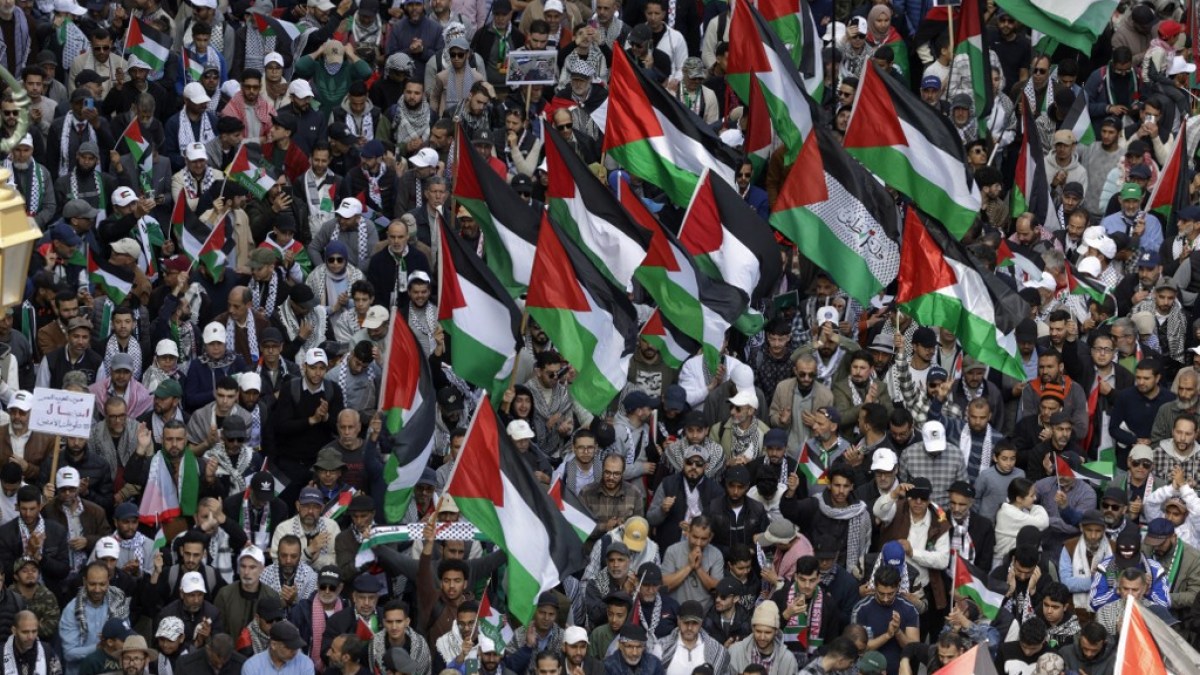
Recent waves of widespread demonstrations across major Moroccan urban centers have thrown a spotlight on the delicate equilibrium governing Rabat’s foreign policy. While the Moroccan government formalized its diplomatic normalization with Israel under the United States-brokered Abraham Accords in late 2020, the ground reality among the citizenry reflects an unyielding pro-Palestine consensus. Thousands of protesters have taken to the streets in cities including Casablanca, Rabat, and Tangier, demanding the immediate abrogation of the normalization pacts and protesting the devastating humanitarian toll in Gaza.
For the Kingdom's administration, the alliance with Israel represents a cornerstone of contemporary strategic calculus, yielding substantial dividends in security cooperation, intelligence sharing, and U.S. recognition of Moroccan sovereignty over the disputed Western Sahara territory. However, the intensity of public dissent tests the limits of state-managed political expression. The Moroccan state has historically permitted controlled demonstrations regarding Palestinian solidarity, but the persistence and scale of the current mobilization underscore a widening chasm between official statecraft and popular sentiment, posing nuanced internal security and governance challenges for the monarchy.
Global Trade & Economic Ripples
Beyond the immediate diplomatic friction, the deepening rift carries tangible implications for cross-border commerce, defense trade, and foreign direct investment within North Africa. Following the 2020 normalization framework, bilateral economic exchanges between Morocco and Israel experienced a rapid upward trajectory, encompassing agricultural technology, water management systems, renewable energy initiatives, and high-tech defense hardware acquisitions. Major Israeli defense contractors have engaged in joint venture discussions and procurement contracts with Rabat, aiming to bolster Morocco's military modernization program.
However, sustained social unrest and potential political volatility introduce risk premiums for international investors evaluating North African operations. While direct trade routes and shipping lanes through the Strait of Gibraltar and Moroccan ports remain fully operational and secure, prolonged domestic agitation could complicate future joint commercial ventures. Global commodities markets, particularly in agricultural exports and phosphate derivatives where Morocco holds a dominant market share, are closely monitoring whether domestic political pressures might eventually influence state procurement decisions, technology transfers, or broader multilateral trade agreements involving Mediterranean partners.
Related Intelligence: Trump Pledges Intensive Midterm Campaigning Amid Economic and Foreign Policy Headwinds
International Reactions & Diplomatic Stances
International observers, multilateral institutions, and foreign ministries have maintained a cautious watch over the domestic dynamics in Morocco, recognizing the nation's critical role as a stabilizing anchor in Northwest Africa. Representatives from the United Nations and various European Union member states have emphasized the importance of safeguarding fundamental freedoms of expression and peaceful assembly while acknowledging sovereign foreign policy prerogatives.
Market analysts and geopolitical risk consultancies note that Morocco’s strategic positioning between Europe, Sub-Saharan Africa, and the Middle East makes its internal stability a matter of broad international concern. European capitals, heavily reliant on Rabat for counter-terrorism cooperation, migration management, and diversified energy supply dialogues, are evaluating the resilience of Moroccan institutions against the backdrop of heightened regional polarization. Official statements from Arab League members reflect a complex mosaic of bilateral stances, with normalization signatories navigating similar domestic pressures as public opinion hardens across the region.
Strategic Outlook & Future Scenarios
Looking ahead, the trajectory of Morocco's diplomatic posture will likely depend heavily on the evolution of the broader Middle East conflict and the pace of humanitarian developments in Gaza. Should hostilities persist, the Moroccan government faces the arduous task of balancing its strategic security architecture and Western Sahara diplomatic gains against mounting domestic political mobilization.
Upcoming diplomatic summits, bilateral ministerial reviews, and scheduled defense cooperation meetings will serve as key barometers for the health of the Rabat-Tel Aviv axis. While an abrupt reversal of the Abraham Accords remains unlikely given the depth of institutional and security integration achieved over recent years, Moroccan policymakers may adopt a more measured, low-profile approach to bilateral engagements to mitigate domestic friction. Investors and international trade partners will continue to monitor regulatory adjustments, public sentiment indicators, and state security measures as Morocco navigates this complex geopolitical crossroads.
Join Our Official WhatsApp Channel
Receive live commodity alerts, policy changes, and commercial intelligence directly on WhatsApp.