
Italian Defence Minister Warns US Aid Cuts Will Prolong Ukraine War
Italy's Defence Minister warned that reducing US support for Ukraine will prolong the conflict, pressing European allies to reinforce collective deterrence amid shifting Washington politics.
Geopolitical & Core Developments
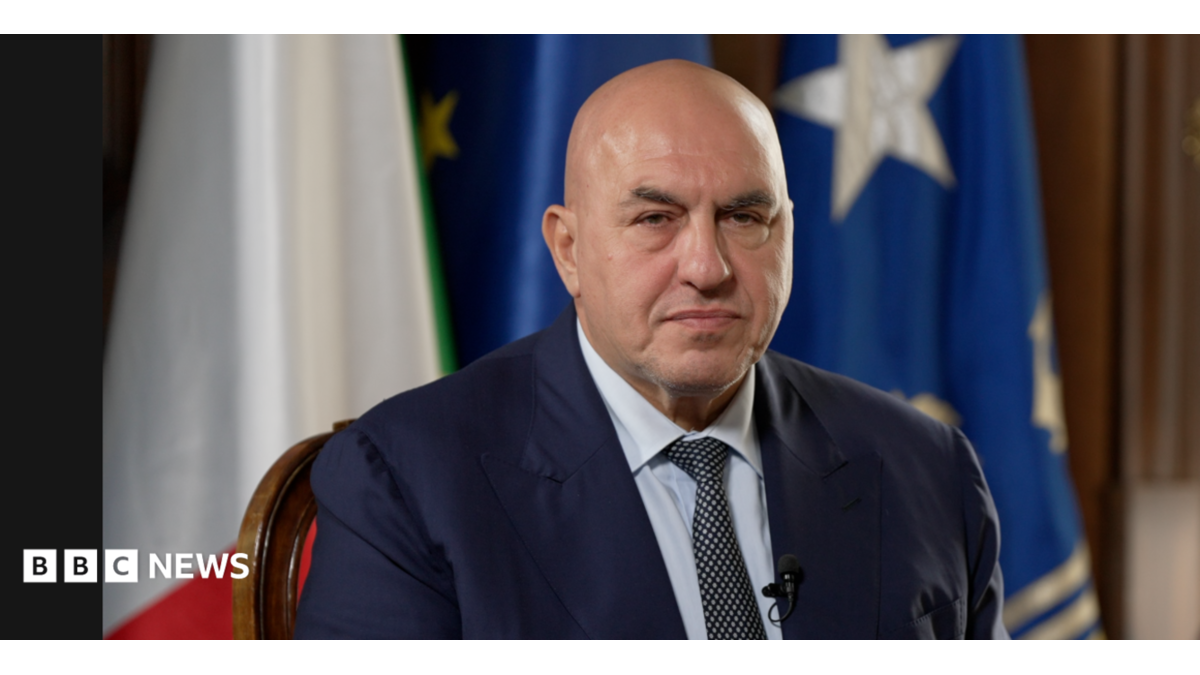
In a pointed diplomatic intervention, Italian Defence Minister Guido Crosetto warned that any move by the United States to restrict military and financial assistance to Ukraine would be fundamentally mistaken, arguing such measures would lengthen rather than shorten Russia's war of aggression. Speaking during an interview with the BBC, Crosetto emphasized that weakening Western cohesion provides Moscow with tactical incentives to maintain its sustained offensive along the eastern front, undermining prospective terms for an eventual and durable peace.
The remarks arrive against a backdrop of intensifying debate within Washington over foreign spending priorities and the broader architecture of transatlantic security. With United States policy trajectories facing scrutiny ahead of pivotal political transitions, European capitals are reassessing their reliance on American strategic guarantees. Rome's explicit pushback underscores deep concern among key NATO members that premature disengagement could rupture the collective deterrence posture maintained since February 2022, creating severe security vulnerabilities across NATO's eastern periphery.
Global Trade & Economic Ripples
A prolonged confrontation in Eastern Europe continues to exert systemic pressure on global commodity corridors, energy infrastructure, and industrial supply chains. European benchmark natural gas prices remain exceptionally sensitive to security incidents near transit nodes and storage facilities, forcing energy-intensive manufacturing hubs across Western Europe to manage structural cost disadvantages compared to North American peers.
Furthermore, mercantile shipping through the Black Sea remains contingent on delicate bilateral risk frameworks. Persistent combat operations threaten the long-term viability of agricultural export lanes, impacting global wheat, barley, and sunflower oil pricing. Fertilizer supply chains also face ongoing disruptions, generating inflationary spillover into developing economies reliant on agricultural imports. Financial markets continue to price in elevated sovereign risk premiums for frontline European states, prompting currency fluctuations against the US dollar and complicating monetary normalization strategies for central banks.
Related Intelligence: German Heiress Trial Exposes Private Espionage and Cross-Border Security Vulnerabilities
International Reactions & Diplomatic Stances
Crosetto's assessments reflect broad anxieties shared across several European defense ministries, where officials have repeatedly stressed that European industrial mobilization cannot immediately substitute for the sheer volume of advanced ordnance, air defence interceptors, and intelligence sharing supplied by the United States. Across the European Union, policymakers are debating new sovereign debt initiatives and procurement frameworks designed to accelerate domestic defense output under the European Defence Industrial Strategy.
Conversely, figures aligned with the 'America First' posture argue that European allies possess sufficient economic output to shoulder the primary burden of conventional territorial defense on their home continent. Washington remains divided between traditional internationalists, who caution that abandoning Kyiv would undermine American alliances globally, and fiscal conservatives demanding strict conditions on overseas security assistance. Moscow, meanwhile, has framed Western political debates as evidence of fatigue, reiterating its maximalist territorial and political objectives.
Strategic Outlook & Future Scenarios
The trajectory of the war over the next twelve to eighteen months hinges directly on the material cadence of Western deliveries. Should US appropriations slow substantially, European nations will be forced to choose between dramatically expanding sovereign defence outlays or accepting an unfavorable negotiated settlement that could compromise European security architecture for decades.
Upcoming multilateral gatherings, including NATO ministerial sessions and European Council summits, will focus on institutionalizing long-term funding mechanisms for Ukraine. Parallel efforts will concentrate on closing enforcement gaps within the sanctions regime targeting Russian crude oil and dual-use technological imports. Unless Western powers establish a predictable, multi-year pipeline for armaments and budgetary stabilization, the risk of military attritional collapse will mount, heightening systemic instability across global financial, energy, and commercial markets.
Join Our Official WhatsApp Channel
Receive live commodity alerts, policy changes, and commercial intelligence directly on WhatsApp.