
US Coast Guard Rescues 16 as Vessel Sinks off Baja Coast
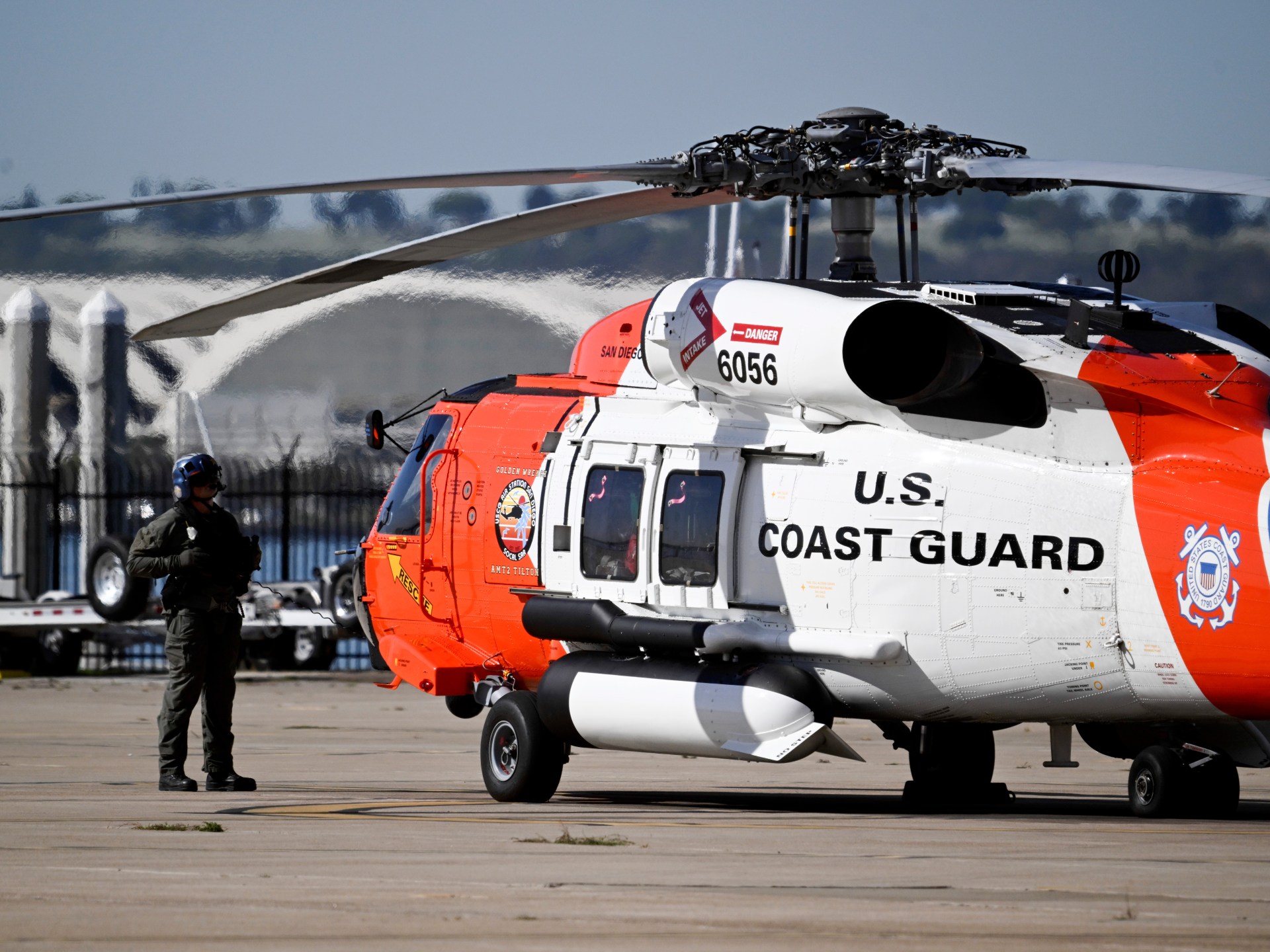
The US Coast Guard has rescued 16 people after a vessel foundered off Mexico's Baja California coast, while joint binational search operations continue for 11 missing individuals.
Geopolitical & Core Developments
A critical maritime emergency unfolded off the Pacific coast of Mexico's Baja California peninsula when a vessel capsized in open waters, prompting an immediate cross-border emergency mobilization. The United States Coast Guard (USCG), operating in close coordination with the Mexican Navy (SEMAR), successfully pulled 16 survivors from the water during initial operations, while intensive air and sea search efforts remain underway for at least 11 individuals who remain missing.
The incident occurred within a highly sensitive geopolitical zone characterized by complex overlapping jurisdictions, maritime border policing, and heavy inter-American migration pressure. Over recent months, human smuggling networks have increasingly diverted transit routes into Pacific coastal corridors to bypass heightened terrestrial security across the US-Mexico international boundary. The deployment of USCG long-range surveillance aircraft alongside Mexican patrol cutters highlights the structural reliance on coordinated binational rescue protocols, even as diplomatic tensions persist regarding broader regional migration management and shared border enforcement architecture.
Global Trade & Economic Ripples
While the capsized vessel was primarily engaged in irregular coastal transit, the emergency response has created localized disruptions across Pacific maritime transit nodes. The incident triggered urgent marine safety broadcasts across the San Diego-Ensenada littoral lane, a vital conduit connecting Southern California's commercial infrastructure with Northern Mexico's commercial fishing, bunkering, and short-sea shipping corridors.
Commercial freight traffic and private logistics operators navigating the California Current encounter recurring operational delays whenever massive SAR (Search and Rescue) grids are implemented by federal coast guard units. Extended search zones enforce precautionary speed restrictions and navigational detours, marginally lifting marine insurance surcharges for small-to-medium vessels servicing Baja California's coastal assembly hubs (maquiladoras). More broadly, the disaster emphasizes the rising fiscal costs incurred by sovereign coast guards and naval authorities in sustaining constant high-readiness maritime interdiction assets along international commercial lifelines.
Related Intelligence: Premier League Sporting Rivalries Underline Commercial and Broadcast Market Pressures
International Reactions & Diplomatic Stances
Mexican federal officials stated that SEMAR units from the Ensenada naval station mobilized promptly upon receipt of the distress signal, confirming that consular officials are standing by to process the survivors and determine their nationalities once triage and immediate medical stabilization are complete. The US Coast Guard District 11 command reaffirmed its humanitarian obligations under the International Convention on Maritime Search and Rescue (SAR Convention), maintaining that preservation of life at sea remains paramount irrespective of legal status or territorial demarcation.
Humanitarian observers and regional non-governmental organizations pointed to the disaster as further evidence of the catastrophic hazards generated by hardline migration policy. Analysts argue that absent accessible, legalized regular pathways, commercial and non-commercial maritime routes along the Pacific coast will witness rising casualty rates as illicit operators deploy unseaworthy vessels into treacherous open-ocean conditions.
Strategic Outlook & Future Scenarios
Looking forward, the immediate priority remains the recovery operations for the 11 unaccounted individuals, though harsh ocean currents and drop-offs in water temperatures off northern Baja present diminishing windows for survivor viability. Once operational phases wind down, federal investigators from both the United States and Mexico are expected to initiate formal maritime casualty inquiries to identify the craft's registry, ownership, and point of origin.
The incident is poised to amplify bilateral dialogue between Washington and Mexico City concerning joint maritime border surveillance. Enhanced radar integration, increased unmanned aerial vehicle (UAV) patrols across coastal waterways, and tighter enforcement against unlicensed vessel charters are likely to be prioritized in upcoming bilateral security working groups, reflecting the shared strategic imperative to curtail hazardous irregular maritime crossings before they culminate in offshore casualties.
Join Our Official WhatsApp Channel
Receive live commodity alerts, policy changes, and commercial intelligence directly on WhatsApp.