
Israeli Presidential Pardon of Soldier Reignites Geopolitical and Legal Tensions
Israel's presidential pardon of soldier Elor Azaria has sparked sharp international condemnation, renewing scrutiny over military accountability and complicating regional diplomatic and commercial integration efforts across the Middle East.
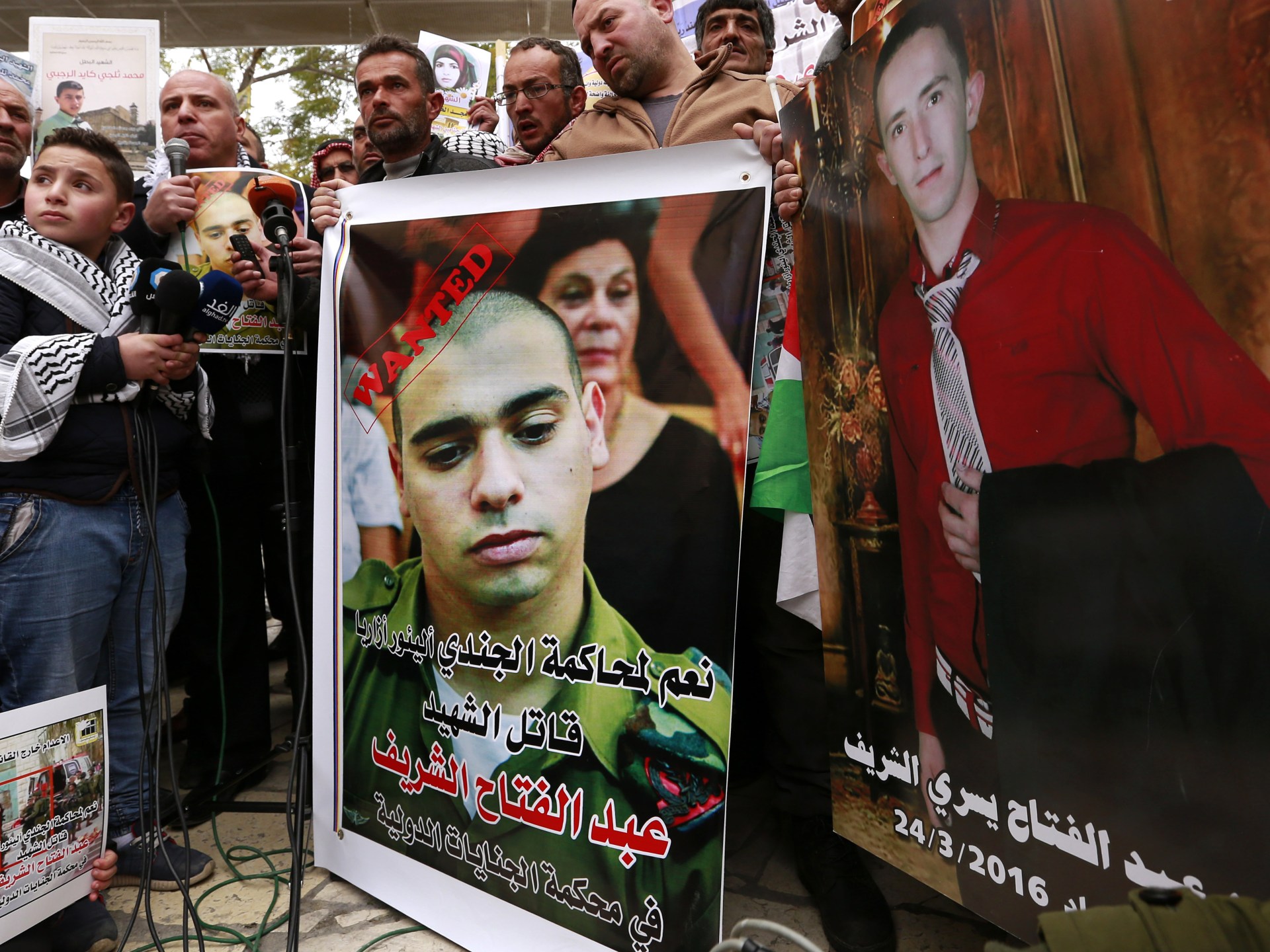
Geopolitical & Core Developments
The Israeli presidency's decision to grant clemency and effectively expunge the remaining criminal record of former soldier Elor Azaria has reignited deep-seated political and diplomatic fault lines across the Levant. Azaria was convicted of manslaughter by an Israeli military tribunal following the March 2016 killing of Abdel Fattah al-Sharif, an incapacitated Palestinian assailant who had already been disarmed and lay wounded on the pavement in the West Bank city of Hebron. Captured on video by a Palestinian human rights volunteer, the incident provoked immediate domestic polarization and international outrage.
While Azaria was originally sentenced to an 18-month prison term in 2017—subsequently reduced to 14 months by the military chief of staff, of which he served nine—the full erasure of his criminal record represents a major domestic milestone. The move reflects the increasing ascendancy of right-wing and nationalist coalitions in Israeli domestic politics, which have long championed Azaria as an operational serviceman abandoned by military bureaucracy. However, the executive intervention compromises the historical institutional autonomy of the Israel Defense Forces (IDF) military justice system, exposing widening fractures between senior military command doctrine and political authority.
Global Trade & Economic Ripples
While immediate capital flows and raw commodity markets remain largely insulated from localized judicial rulings, the broader geopolitical fallout carries tangible commercial ramifications. Mounting diplomatic friction threatens the pace of economic normalization between Israel and regional signatory states to the Abraham Accords. Strategic partnerships involving cross-border investments in renewable energy, water desalination, and logistics corridors between the Levant and the Arabian Gulf face heightened reputational scrutiny and bureaucratic slowdowns.
Furthermore, institutional investors and multinational corporations operating within the Israeli high-tech and infrastructure spheres must navigate escalating environmental, social, and governance (ESG) compliance hurdles. Decisions perceived to endorse judicial leniency for military misconduct elevate supply chain liability risks under international humanitarian law guidelines. Maritime transit security through regional chokepoints and border logistics corridors in the West Bank also remain vulnerable to sporadic work stoppages and localized unrest, driving up security premiums for regional freight operators and commercial contractors.
Related Intelligence: Iran Delivers Ceasefire and Diplomatic Terms to US via Qatar Mediation
International Reactions & Diplomatic Stances
The Palestinian Authority issued a trenchant rebuke, characterizing the presidential clemency as state-sanctioned impunity and an overt endorsement of extrajudicial executions. Palestinian officials underscored that the decision reinforces their campaign to bypass bilateral negotiations in favor of multilateral legal accountability mechanisms.
At the multilateral level, officials from the United Nations Office of the High Commissioner for Human Rights (OHCHR) expressed profound concern over the erosion of judicial deterrents against unlawful lethal force. European Union diplomats cautioned that undermining judicial accountability risks further destabilizing the already volatile security architecture of the occupied territories. Concurrently, international legal scholars noted that the clemency poses substantial complications for Israel's standing at the International Criminal Court (ICC). The ICC operates on the principle of complementarity, deferring to domestic jurisdictions only when a state demonstrates both the ability and genuine willingness to independently investigate and prosecute grave violations.
Strategic Outlook & Future Scenarios
Moving forward, the primary strategic repercussion will manifest in international legal forums. The Office of the Prosecutor at the ICC will likely cite this clemency as empirical evidence that Israeli legal mechanisms fail the complementarity test, thereby accelerating formal arrest warrants or evidentiary proceedings against military and political personnel.
Domestically, the precedent reinforces political interference in military rules of engagement, potentially altering field doctrine among frontline troops and heightening the risk of violent escalations in urban centers such as Hebron, Nablus, and Jenin. Regionally, while core hydrocarbon exploration in the Eastern Mediterranean basin will continue driven by European energy demand, broader multilateral economic integration frameworks will face persistent political resistance, precluding smooth bilateral trade expansion until systemic security arrangements are realigned.
Join Our Official WhatsApp Channel
Receive live commodity alerts, policy changes, and commercial intelligence directly on WhatsApp.