
Israeli Military Faces Severe Troop and Munitions Deficits Amid Multi-Front Strains
Reports of critical equipment and personnel shortages within the Israeli military reveal acute operational strains, threatening regional military balance and exerting pressure on Middle Eastern trade corridors and global markets.
Geopolitical & Core Developments
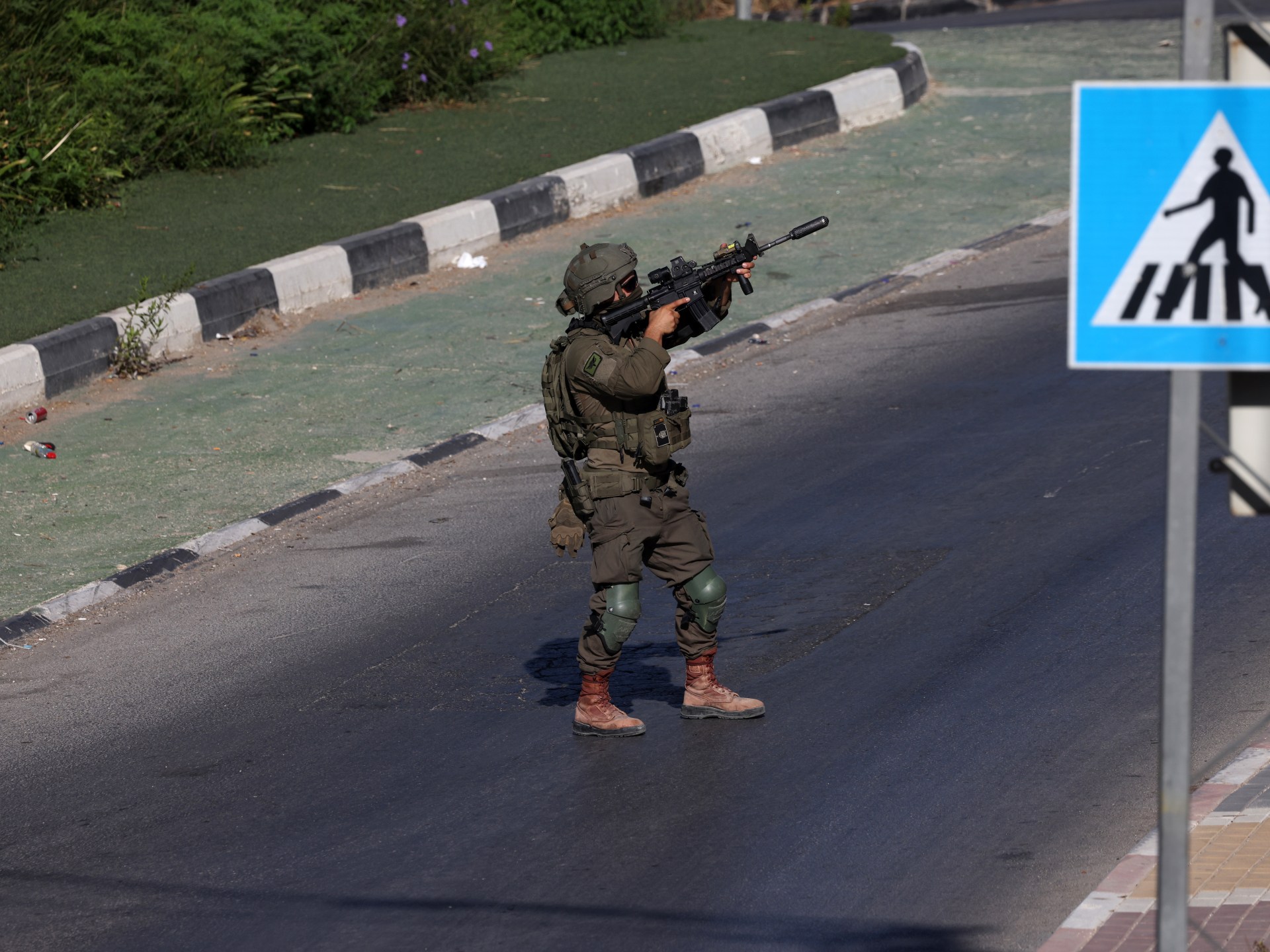
Mounting domestic intelligence and media disclosures in Tel Aviv, notably reported by Channel 12 and the Maariv newspaper, indicate that the Israel Defense Forces (IDF) are contending with severe shortages of both combat personnel and vital military hardware. Following protracted, high-intensity operations across the Gaza Strip, expanding clashes along the northern border with Hezbollah in southern Lebanon, and intensified security sweeps in the occupied West Bank, the Israeli defense establishment has reached unprecedented levels of operational overstretch.
Senior military commanders have privately voiced alarms over equipment degradation, specifically the depletion of armored personnel carriers, artillery munitions, and tank spare parts subject to rapid attrition in urban warfare. Simultaneously, human capital bottlenecks have become acute. The military has absorbed thousands of casualties and physical injuries, alongside psychological exhaustion among core combat divisions. This structural deficit has precipitated a fraught domestic crisis regarding the historical draft exemption for ultra-Orthodox (Haredi) men. The Supreme Court's ruling mandating their conscription has triggered sharp political polarization within Prime Minister Benjamin Netanyahu's coalition, highlighting an unsustainable reliance on repeated, extended reserve mobilizations that disrupt civilian institutional frameworks.
Global Trade & Economic Ripples
The IDF's logistics strain exerts substantial indirect pressure on international trade architecture and macroeconomic stability. Extended call-ups of over 300,000 reservists have pulled skilled workers from high-tech, agricultural, and industrial sectors, prompting a contraction in productivity and swelling Israel's fiscal deficit to historic highs. To finance expanding operational outlays, the Israeli government has engaged in sovereign debt issuance amidst credit rating downgrades from major Western credit agencies.
Regionally, evidence of Israeli defense exhaustion influences broader commercial risk models. Maritime freight rates through the Red Sea and Gulf of Aden remain elevated as Yemen's Ansar Allah (Houthi) movement maintains maritime blockades, citing solidarity with Palestinian forces. With Israeli deterrence perceived as geographically bound and militarily strained, regional maritime insurers continue to levy war-risk premiums on vessels transiting the Suez Canal route. Furthermore, energy markets remain exposed to regional volatility; an overextended Israeli defense framework increases the likelihood of miscalculation along the Lebanese border, risking kinetic strikes on Eastern Mediterranean offshore gas installations and prompting sudden spikes in Brent crude benchmarks.
Related Intelligence: US Lifts Eritrea Sanctions in Strategic Shift to Protect Red Sea Corridors
International Reactions & Diplomatic Stances
The revelation of structural military deficiencies has elicited sharp analytical shifts across global chancelleries. In Washington, the Biden administration faces renewed domestic and international scrutiny concerning the sustainability of emergency arms deliveries and supplementary aid packages. U.S. defense planners have expressed concern that expedited deliveries to Israel draw down critical American stockpiles, specifically 155mm artillery shells and air-defense interceptors, which are concurrently required for European and Indo-Pacific strategic commitments.
European Union diplomats have leveraged disclosures of Israeli military fatigue to renew calls for comprehensive ceasefire negotiations and the implementation of United Nations Security Council Resolution 1701 along the Blue Line. Multilateral bodies and humanitarian groups emphasize that military exhaustion underscores the absence of a viable military solution to political conflicts. Conversely, regional adversaries, including the Tehran-led Axis of Resistance, monitor the IDF's equipment shortfalls to recalibrate asymmetric escalation thresholds, calculating that Israel's capacity to wage a sustained, high-tempo two-front war is structurally constrained.
Strategic Outlook & Future Scenarios
The operational trajectory of the Israeli military now rests upon two divergent scenarios: accelerated diplomatic disengagement or perilous strategic overreach. Should internal hardware deficits and personnel fatigue force Tel Aviv to negotiate a phased ceasefire in Gaza, regional shipping corridors may experience gradual de-escalation, lowering maritime insurance fees and dampening commodity price volatility.
Conversely, should coalition pressures compel Israel to open a full-scale offensive against Hezbollah despite acknowledged matériel shortages, the operational demands would severely test Israel's air defense architecture, including the Iron Dome and David's Sling systems. Such an outcome would necessitate direct, intensive logistical intervention by Western allies, exacerbate existing global munitions bottlenecks, and potentially disrupt Persian Gulf oil transit routes. Over the coming quarters, international institutions will closely assess whether Tel Aviv's logistical reality enforces strategic restraint or accelerates wider geopolitical destabilization.
Join Our Official WhatsApp Channel
Receive live commodity alerts, policy changes, and commercial intelligence directly on WhatsApp.