
Disinformation Probe Challenges Israeli Media Campaign Metrics Amid Information War
A data investigation has questioned assertions that an Israeli state-aligned counter-documentary accrued 40 million authentic views, highlighting the expanding role of asymmetric information operations in the regional conflict.
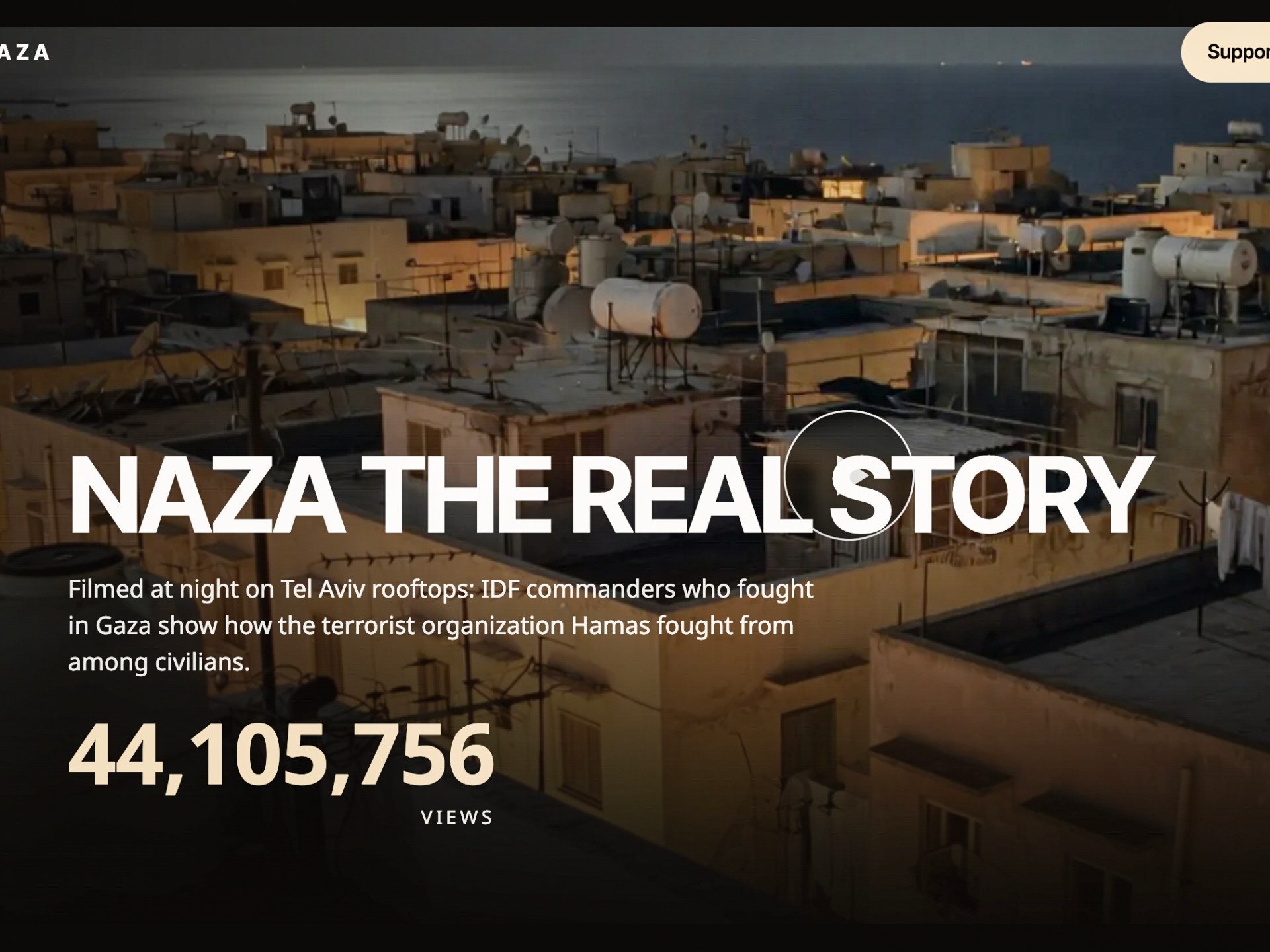
Geopolitical & Core Developments
A detailed digital forensics probe conducted by Al Jazeera has contested public assertions regarding the viewership figures of a high-profile Israeli counter-documentary. The film was commissioned and distributed to counter narratives established in independent journalistic coverage surrounding the ongoing conflict in Gaza and broader regional operations. Initial promotional material and institutional press releases maintained that the production garnered upwards of 40 million global views across social platforms within days of release. However, platform engagement metrics, server traffic patterns, and analytical algorithmic tracking reviewed by independent data researchers suggest substantial systemic anomalies, pointing toward coordinated inauthentic amplification and inflated metrics.
The contest over narrative control reflects a structural dimension of contemporary hybrid warfare, where state and non-state actors deploy sophisticated digital infrastructure alongside conventional military campaigns. For Israel, commanding global public sentiment, particularly across Western capitals and multilateral forums, is viewed as vital to sustaining operational room on the ground. Conversely, media watchdogs and international civil society organizations argue that synthetic inflation of viewership represents deliberate influence operations designed to manipulate domestic and foreign discourse, complicate diplomatic evaluations, and project a misleading consensus on international public opinion.
Global Trade & Economic Ripples
While predominantly ideological, the escalation of digital narrative conflicts directly affects commercial environments, institutional investment criteria, and corporate exposure in the Middle East. Global firms operating across the Levant and Gulf regions face heightened reputational hazards as public scrutiny intensifies over digital advertising placements, platform moderation, and state-backed media partnerships. Digital platform operators and global ad-tech conglomerates are under renewed pressure from regulatory bodies to enforce transparent verification standards or face cross-border penalties under frameworks such as the European Union's Digital Services Act (DSA).
Moreover, the persistent polarization of regional events continues to introduce volatility into broader trade channels. Heightened geopolitical instability linked to persistent military campaigns maintains a baseline risk premium across energy markets, maritime transit routes in the Red Sea and Eastern Mediterranean, and regional infrastructure projects. Institutional capital allocators increasingly factor information war dynamics—including coordinated disinformation, cyber operations, and brand vulnerability—into country-risk assessments, influencing foreign direct investment flows into digital technology hubs across the Levant.
Related Intelligence: China and North Korea Open Crucial Yalu River Border Crossing
International Reactions & Diplomatic Stances
International responses to the findings highlight widening fissures regarding media accountability and state-sponsored digital campaigns. Independent rights monitors and digital ethics organizations have voiced mounting concern over the militarization of public relations during active armed conflicts. Representatives from digital governance coalitions have renewed calls on multilateral bodies, including the United Nations Human Rights Council, to establish clear definitions separating legitimate digital advocacy from covert information warfare.
State actors have approached the revelation through established political alignments. Spokespersons aligned with Israeli media advocacy frameworks have maintained the organic reach and cultural resonance of their productions, dismissing algorithmic discrepancies as standard variations in modern cross-platform measurement. In contrast, diplomatic representatives from Arab and Global South nations have cited the probe as symptomatic of broader structural distortions in international media coverage, urging international platforms to disclose raw analytical data regarding state-funded promotional blitzes.
Strategic Outlook & Future Scenarios
The trajectory of asymmetric media battles suggests that narrative warfare will become increasingly automated and sophisticated as both state agencies and partisan networks deploy generative artificial intelligence and high-volume bot infrastructures. Regulatory scrutiny is set to intensify, particularly across European and North American jurisdictions where governments must balance free expression mandates against the proliferation of coordinated foreign influence campaigns.
Looking forward, verification bodies, news organizations, and financial intelligence firms will likely step up reliance on open-source intelligence (OSINT) and independent forensic audits to evaluate conflict assertions. As the threshold for technological deception declines, corporate stakeholders and diplomatic delegations must navigate a fractured media terrain where operational legitimacy and market stability remain vulnerable to manufactured consensus and systematic manipulation.
Join Our Official WhatsApp Channel
Receive live commodity alerts, policy changes, and commercial intelligence directly on WhatsApp.