
Gilgit-Baltistan Sets Municipal Elections for Major Urban Centers on December 5
Gilgit-Baltistan's Election Commission has slated municipal corporation elections across Gilgit, Skardu, and Chilas for December 5, ending a protracted democratic vacuum.
The Core Development
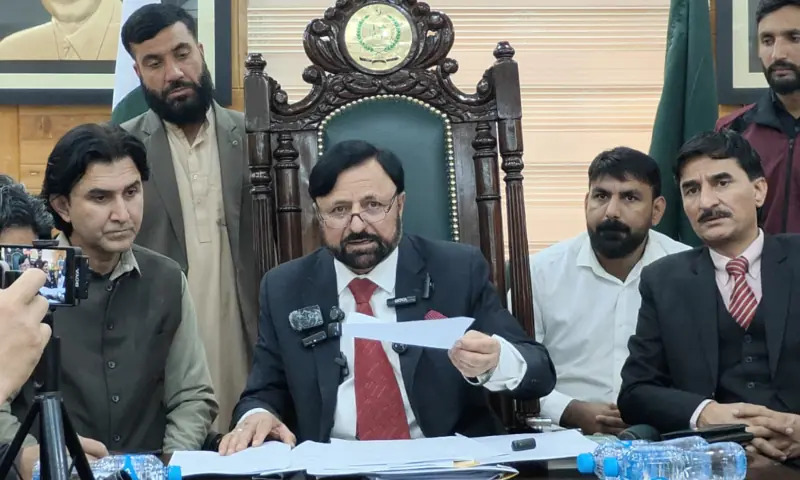
In a landmark development for regional governance, Gilgit-Baltistan Chief Election Commissioner Raja Shahbaz Khan announced a revised schedule for the long-delayed local government elections. Polling for the municipal corporation seats across the key urban hubs of Gilgit, Skardu, and Chilas has been finalized for December 5. The pronouncement, delivered during an official briefing at the Gilgit-Baltistan Election Commission Secretariat, marks an essential transition toward constitutional decentralization in an area where local government mechanisms have remained suspended for over two decades.
The regional electoral exercise has suffered multiple deferrals since its initial framework was unveiled last year. Previously slated for mid-February, the electoral calendar was disrupted by extreme winter weather across high-altitude districts, severe logistical bottlenecks, and substantive legislative revisions to the Gilgit-Baltistan Local Government Act. Under the restructured blueprint, elections will unfold across two organized phases. The primary phase targets major commercial, administrative, and logistical epicenters before expanding deeper into rural union councils and remote mountain valleys, ensuring municipal frameworks are established ahead of peak winter travel and infrastructure halts.
Commercial & Economic Implications
From a macroeconomic perspective, the formalization of municipal corporations across Gilgit, Skardu, and Chilas carries significant weight for regional trade and fiscal administration. These three urban centers represent critical junctions along the Karakoram Highway and primary conduits for cross-border transit, wholesale trade, and internal supply chains connecting northern markets with Punjab and Khyber Pakhtunkhwa. For decades, the absence of empowered municipal representatives resulted in ad-hoc municipal taxation, inconsistent market regulations, and inadequate municipal service delivery, directly impacting retail operations and wholesale distribution centers.
The restoration of elected city councils will streamline municipal revenue mobilization, modernize commercial zoning, and provide dedicated budgets for urban maintenance, solid waste management, and cold-chain infrastructure. Efficient municipal governance directly lowers the friction cost of business operations. In Skardu and Gilgit, where commercial activity surges during trade and tourism seasons, formalized local councils can prioritize market access roads, regulate wholesale mandi spaces, and manage municipal levies transparently. This reduces arbitrary administrative fines and stabilizes operational overheads for transport operators and freight carriers.
Related Intelligence: Starshield Satellite Controls Reshape Geopolitical Security and Defense Supply Chains
Stakeholder Perspectives & Market Reactions
Regional merchant bodies, transport syndicates, and civil society platforms have broadly welcomed the development, noting that municipal leadership is crucial for equitable economic development. Chambers of commerce operating in Gilgit and Skardu emphasized that previous delays left urban infrastructure largely neglected, stifling urban planning and deterring private capital investments in retail and hospitality logistics.
Legal and policy analysts note that the legislative amendments to the Local Government Act—while causing intermediate scheduling friction—were essential to define the fiscal and administrative jurisdiction of municipal corporations versus the central regional government. Market representatives argue that elected ward members and mayors provide an institutional mechanism for addressing localized economic grievances, ranging from municipal licensing bottlenecks to erratic utility tariffs. Conversely, transport and logistics operators have voiced caution regarding potential electoral disruptions during November and December, urging the regional administration to maintain unhindered vehicular flow along critical logistics corridors during the campaign cycle.
Forward Outlook & Key Watchpoints
The Gilgit-Baltistan Election Commission now faces the operational challenge of finalizing voter registries, appointing returning officers, and establishing secure polling stations across complex topographies. Stakeholders will closely monitor the regional government's ability to maintain public security and verify logistics deployment ahead of the December 5 polling date, particularly as temperatures begin to plummet across northern altitude zones.
Key watchpoints include the publication of the final candidate lists, the resolution of jurisdictional boundaries under the newly amended Local Government Act, and the administrative announcement detailing Phase II timelines for peripheral districts. If executed successfully, the establishment of elected municipal authorities will introduce vital administrative stability, enhance infrastructure expenditure efficiency, and establish sustainable municipal regulatory frameworks across northern Pakistan's most critical transit and commerce hubs.
Join Our Official WhatsApp Channel
Receive live commodity alerts, policy changes, and commercial intelligence directly on WhatsApp.