
Israeli Military Advances Yellow Line Perimeter in Gaza Amid Humanitarian Strain
The westward advance of Israel's military boundary in Gaza forces fresh displacement in Shujayea, compounding regional diplomatic tensions and pressuring broader Middle Eastern trade corridors.
Geopolitical & Core Developments
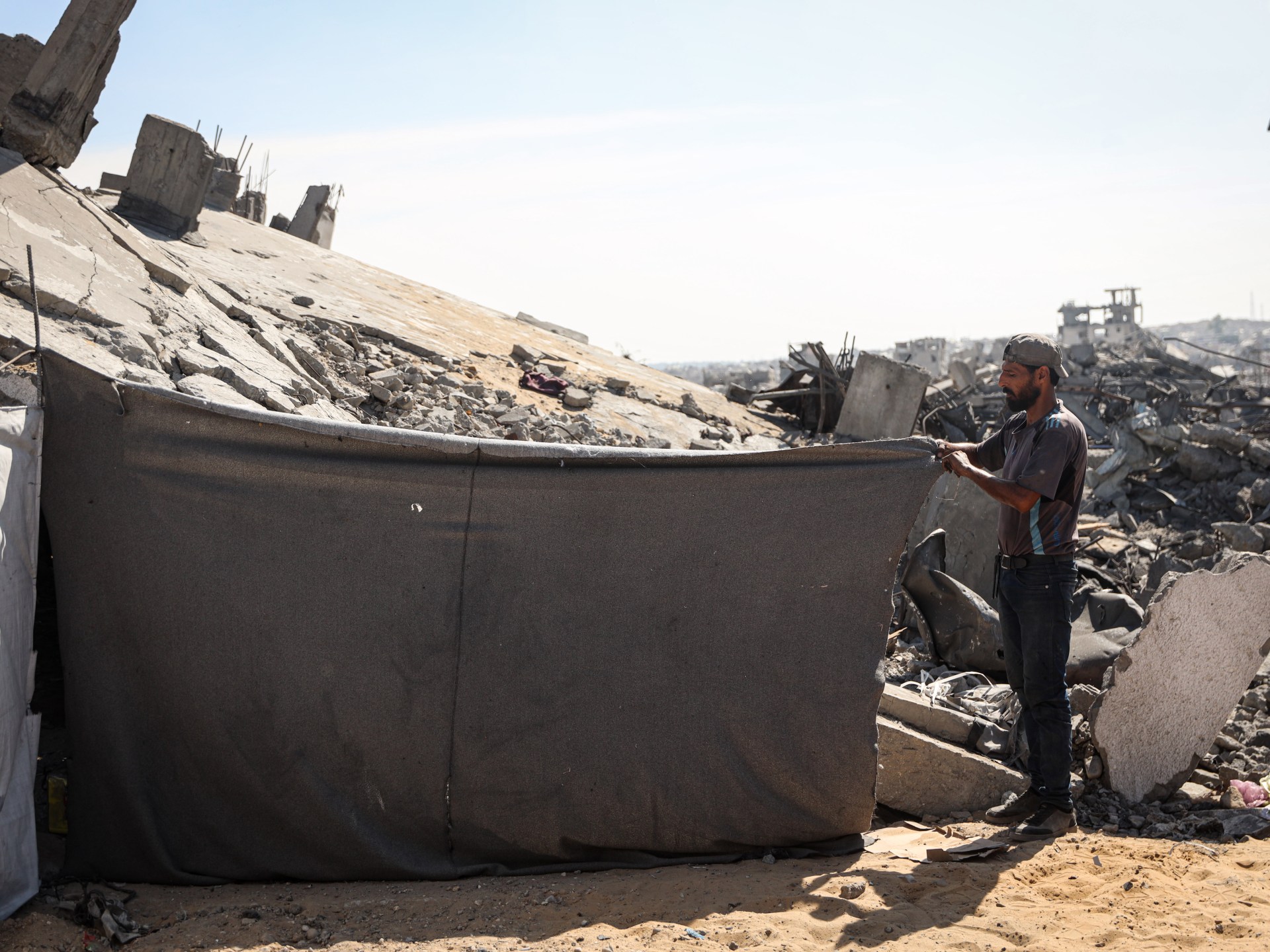
The Israeli military has recalibrated operational boundaries within the Gaza Strip, advancing the demarcation colloquially known as the Yellow Line deeper westward into civilian centers such as Shujayea. This shift marks a tactical evolution in ground operations, systematically narrowing the perimeter designated for non-combatant shelter. For hundreds of thousands of previously displaced Palestinians, the maneuver eliminates a fragile geographic buffer, leaving families caught between an advancing front line and densely populated coastal sectors that lack basic sanitation and shelter capacity.
Strategic analysts observe that this boundary contraction serves dual military objectives: securing tactical depth along the eastern border and dismantling subterranean infrastructure. However, the operational reality on the ground has precipitated chaotic, localized exoduses under active shelling. Diplomatic envoys involved in regional mediation note that these rapid tactical shifts undermine ongoing framework negotiations, introducing acute friction points that stall multilateral humanitarian pauses and prisoner-exchange initiatives orchestrated via Cairo and Doha.
Global Trade & Economic Ripples
While the direct territorial adjustments occur within a localized theater, the persistent volatility continues to cast a long shadow over Middle Eastern commercial ecosystems. International energy markets remain sensitive to perimeter escalations that could trigger wider multi-front confrontations. Brent crude futures have absorbed persistent geopolitical risk premiums, with market participants pricing in tail-risk scenarios that could affect production nodes and transit chokepoints in the Persian Gulf and Levant basin.
Furthermore, maritime logistics networks remain severely disrupted. The broader instability linked to the Gaza theater continues to justify elevated war-risk insurance premiums across Red Sea shipping lanes, forcing global carriers to reroute freight around the Cape of Good Hope. This enduring supply chain reconfiguration inflates transit times by 10 to 14 days and elevates global container spot rates. Regional logistics hubs in Egypt and Jordan face direct economic dampening, as border infrastructure delays, elevated security screening protocols, and humanitarian cargo backlogs strain cross-border commercial efficiency.
Related Intelligence: Trump Links Houthi Red Sea Maritime Attacks to US Election Dynamics
International Reactions & Diplomatic Stances
Multilateral bodies and sovereign governments have voiced mounting alarm regarding the contraction of safe areas. The United Nations Office for the Coordination of Humanitarian Affairs warned that repetitive displacements without viable evacuation corridors breach established international humanitarian norms and effectively paralyze institutional relief pipelines. United Nations officials emphasized that shifting operational perimeters without providing viable transit corridors creates insurmountable logistical hazards for non-governmental aid distributions.
Western capitals, including the United States and European Union member states, have reiterated calls for strict adherence to international law and the protection of civilian enclaves, warning that prolonged military operations without defined political end-states complicate normalization initiatives and regional security architecture. Conversely, Israeli defense authorities maintain that localized operations target entrenched insurgent nodes, asserting that evacuation advisories are disseminated to mitigate collateral damage during close-quarters engagements.
Strategic Outlook & Future Scenarios
The forward trajectory points toward extended operational frictions with diminishing diplomatic leverage. As civilian density surges along the southern and western Mediterranean shoreline of Gaza, the operational margin for military activity narrows, raising the probability of high-casualty incidents that could trigger legal and diplomatic fallout at international tribunals.
In the medium term, commercial operators must brace for protracted instability across Eastern Mediterranean maritime corridors. Absent a comprehensive diplomatic consensus or a durable ceasefire framework, international shipping, insurance underwriters, and commodity traders will likely maintain elevated risk baselines through subsequent financial quarters. The regional stability index will increasingly hinge on whether indirect diplomatic tracks can establish verifiable security corridors or if ongoing perimeter adjustments will precipitate wider geopolitical escalation.
Join Our Official WhatsApp Channel
Receive live commodity alerts, policy changes, and commercial intelligence directly on WhatsApp.