
Israel Bans Arab Parties From Election Amid Deepening Political Crisis
Israel's election committee has banned Arab political factions from running in upcoming polls, sparking international concern over democratic norms while politicians facing ICC warrants remain eligible.
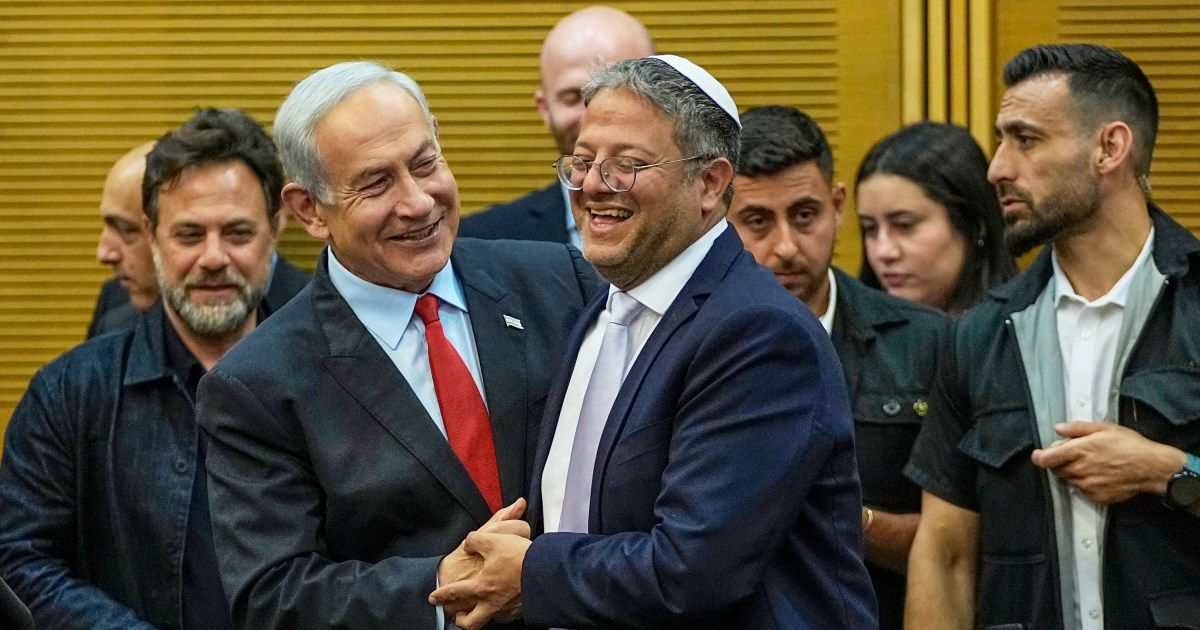
Geopolitical & Core Developments
The decision by Israeli electoral authorities to ban prominent Arab political parties from participating in the upcoming national elections has plunged the country into a profound constitutional and political crisis. This unprecedented move alters the domestic political landscape, effectively disenfranchising a significant portion of the citizenry and drawing sharp rebukes from human rights organizations and international observers. The Central Election Committee's ruling targets factions that have historically provided parliamentary representation for Israel's Palestinian minority, accusing them of subverting the state's Jewish character and supporting adversarial entities.
Paradoxically, while domestic Arab entities face total exclusion, the electoral framework permits candidates currently subject to International Criminal Court arrest warrants or severe international sanctions to remain fully eligible for office. This glaring contradiction has accelerated domestic polarization, undermining the judiciary's credibility and signaling a sharp turn toward majoritarian governance. State actors across the region are closely monitoring these developments, recognizing that domestic political maneuvers in Tel Aviv frequently precede broader security escalations along contested borders.
Global Trade & Economic Ripples
While the electoral ban is fundamentally a domestic political event, its economic and commercial ramifications extend across international commodity markets and investor sentiment. Israel is a critical hub for high-technology exports, venture capital, and advanced defense manufacturing. Sustained domestic instability, widespread civil unrest, or prolonged constitutional friction directly threaten investor confidence, foreign direct investment inflows, and currency stability, notably the Israeli New Shekel.
Furthermore, geopolitical friction within the Levant carries indirect consequences for regional energy logistics, Mediterranean shipping corridors, and insurance premiums for maritime trade. Global commodity traders tracking agricultural inputs, industrial minerals, and technological components are reassessing counterparty risk in the eastern Mediterranean. Any intensification of domestic unrest risks spilling over into broader regional security disruptions, which historically pressure global energy prices and maritime freight rates through increased risk premiums.
Related Intelligence: Iran Halts Direct US Diplomacy Amid Deepening Middle East Tensions
International Reactions & Diplomatic Stances
The international community has reacted with profound alarm to the electoral disqualifications. Officials at the United Nations have reiterated warnings regarding the erosion of democratic institutions and minority rights, emphasizing that inclusive political representation is a cornerstone of regional stability. Traditional Western allies, including various European Union member states, have issued diplomatic demarches seeking clarification on adherence to democratic norms and international human rights conventions.
Global market analysts and political risk consultancies note that these developments complicate diplomatic relations between Israel and its recent normalization partners in the Middle East. Multilateral financial bodies are factoring governance metrics more heavily into risk assessments, warning that systemic institutional changes can trigger negative sovereign credit rating adjustments if political polarization deepens further.
Strategic Outlook & Future Scenarios
Looking ahead, the trajectory of Israeli domestic politics points toward prolonged legal battles in the Supreme Court, where petitions challenging the election committee's ban are currently pending. A judicial endorsement of the ban would permanently alter Israel's democratic fabric, potentially triggering widespread civil disobedience, general strikes, and heightened security deployments across major urban centers.
Conversely, a judicial reversal would likely provoke severe coalition friction, threatening the stability of the current government and forcing early snap elections under volatile economic conditions. As international summits approach, foreign ministries will monitor these developments as a bellwether for democratic resilience in the Middle East, with potential implications for bilateral trade agreements, security cooperation pacts, and broader geopolitical alignment.
Join Our Official WhatsApp Channel
Receive live commodity alerts, policy changes, and commercial intelligence directly on WhatsApp.