
Syrian Kurdish Returns to Afrin Spark Geopolitical and Commercial Shifts
Syrian Kurds are returning to Afrin after years of displacement, initiating complex socio-economic and geopolitical shifts across northern Syria's commercial and agricultural corridors.
Geopolitical & Core Developments
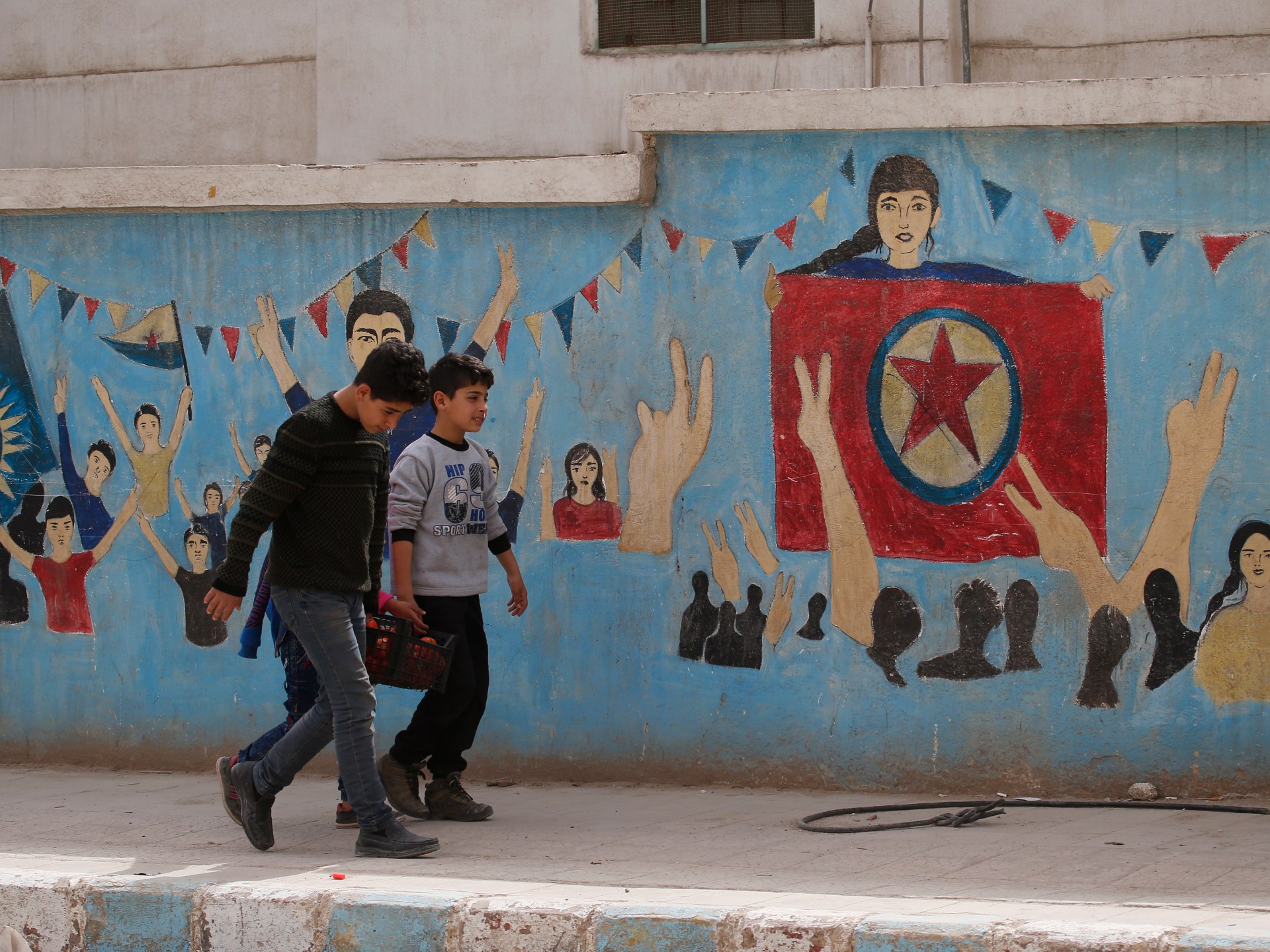
The gradual return of displaced Syrian Kurds to their ancestral homes in Afrin marks a significant and unexpected chapter in the protracted Syrian conflict. Years after Turkish-backed forces captured the enclave in 2018, displacing hundreds of thousands of residents, a complex demographic and security recalibration is underway. This movement of people is not merely a humanitarian milestone; it represents a delicate intersection of local reconciliation, shifting sphere-of-influence dynamics among regional power brokers including Turkey, Russia, and the Syrian government, and the enduring resilience of displaced populations seeking to reclaim their property and heritage. The returnees face a drastically altered landscape, where security is heavily administered by various armed factions, and administrative authority remains fragmented. Negotiated local accommodations, security screenings, and the physical restoration of damaged infrastructure form the immediate backdrop of this resettlement process, altering the political calculus in northwestern Syria.
Global Trade & Economic Ripples
Beyond the human dimension, the repopulation of Afrin carries profound implications for regional trade and agricultural commodity markets, particularly concerning olive oil and local horticultural supply chains. Afrin has historically served as a vital agricultural hub, renowned for its extensive olive groves and olive oil production capacity, which traditionally fed regional export markets across the Middle East. The departure of skilled agrarian laborers and landowners following the 2018 offensive severely disrupted local production, processing, and cross-border trade networks. As original owners and experienced farmers return to rehabilitate neglected groves and processing facilities, commercial output is anticipated to recover gradually. This localized economic revival holds the potential to stabilize regional food security, re-establish traditional supply routes toward Mediterranean ports, and influence international olive oil pricing benchmarks by restoring historical production volumes from the Levant.
Related Intelligence: UK Labour Conference Faces Pro-Palestine Rallies Over Middle East Policy
International Reactions & Diplomatic Stances
International bodies and diplomatic missions have responded to the returns with cautious vigilance, balancing humanitarian relief imperatives against broader geopolitical sensitivities. The United Nations Office for the Coordination of Humanitarian Affairs has emphasized the necessity of ensuring that all returns are voluntary, safe, and dignified, while urging all controlling authorities to respect property rights and protect returning civilians from extortion or arbitrary detention. Human rights organizations continue to monitor the security conditions in Afrin closely, documenting property restitution challenges and the legal ambiguities facing returnees. Meanwhile, regional actors maintain a watchful posture; Ankara evaluates the demographic shifts through the prism of border security and counter-terrorism objectives, while Damascus views any localized normalization or population movement as a test of sovereignty and future reintegration frameworks across northern provinces.
Strategic Outlook & Future Scenarios
Looking ahead, the trajectory of Afrin's returning population will serve as a barometer for broader stabilization efforts in northwest Syria. The success of this resettlement depends heavily on institutional safeguards regarding land tenure, the mitigation of security risks, and the injection of targeted reconstruction aid to repair damaged utilities and agricultural infrastructure. Should property rights be effectively guaranteed and economic opportunities expand, Afrin could witness a more permanent demographic stabilization, potentially serving as a template for returns in other contested regions. Conversely, unresolved property disputes, administrative friction, or renewed military escalation could stifle economic recovery and trigger secondary displacement waves. Multilateral lenders and humanitarian agencies will need to navigate complex diplomatic channels to support sustainable development without implicitly legitimizing contested administrative structures.
Join Our Official WhatsApp Channel
Receive live commodity alerts, policy changes, and commercial intelligence directly on WhatsApp.