
Pakistani Lawyer Jalila Haider Honoured With Swedish Right Livelihood Prize
Pakistani human rights lawyer Jalila Haider has been awarded the prestigious Right Livelihood prize in Sweden for her relentless advocacy against ethnic and patriarchal persecution.
The Core Development
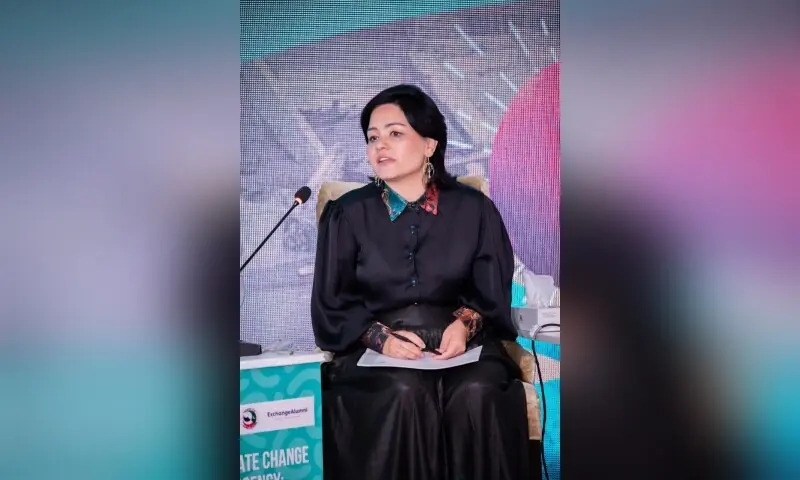
In a landmark recognition of human rights advocacy originating from South Asia, prominent Pakistani human rights lawyer and activist Jalila Haider was officially awarded the prestigious Right Livelihood prize on Wednesday. Often dubbed the alternative Nobel, the Sweden-based Right Livelihood Foundation bestowed the honour upon Haider in recognition of her trailblazing career. As the first female lawyer emerging from Pakistan's beleaguered Hazara community, based primarily in Quetta, Balochistan, Haider has consistently challenged deep-seated ethnic, state, and patriarchal persecution. Her work is anchored by the fundamental conviction that no human being is illegal, pushing the boundaries of legal activism in a volatile regional security landscape.
The foundation specifically highlighted Haider's courageous leadership in 2018, when she spearheaded a grueling seven-day hunger strike in Quetta. The protest was organized in direct response to the unrelenting targeted killings of Hazara community members, a minority sect that has faced systemic violence for decades. This high-stakes demonstration successfully forced the hand of the establishment, leading to unprecedented, direct negotiations between the then-army chief and Hazara women. The negotiations resulted in tangible security adjustments and brought national and international visibility to the community's plight, cementing Haider's status as a formidable national figure.
Commercial & Economic Implications
While human rights accolades primarily project social and legal dimensions, systemic stability, rule of law, and minority security have profound cascading effects on local commerce, wholesale distribution, and regional retail trade in Balochistan. Quetta serves as a crucial trading hub connecting Pakistan with regional markets, yet recurring security clampdowns, targeted violence, and civil unrest severely disrupt supply chains and inflate logistics costs. When minority business owners, laborers, and professionals are subjected to targeted persecution, commercial activity stalls, small businesses face premature closure, and investor confidence plummets.
Furthermore, prolonged security operations and political instability directly fuel inflationary pressures within local retail markets, as transportation routes face intermittent closures and risk premiums rise on commercial freight. By advocating for legal protections, institutional accountability, and social inclusion, legal reformers like Haider contribute indirectly to establishing a predictable, stable operating environment essential for long-term domestic and foreign trade. Economic resilience in Pakistan's peripheral provinces heavily depends on dismantling structural bottlenecks and ensuring secure, unhindered commercial participation for all ethnic demographics.
Related Intelligence: Iraq Marks US Troop Withdrawal as Sovereignty Days Redraw Regional Security
Stakeholder Perspectives & Market Reactions
Following the announcement of the award, trader associations, civil society networks, and legal fraternity bodies across Pakistan expressed widespread approval. Representatives from various commercial and legal forums noted that international recognition of Pakistani human rights defenders shines a positive light on the country's domestic legal struggles and the resilience of its professional classes. Major bar associations in Balochistan and Sindh commended Haider's unwavering dedication, emphasizing that the protection of minority rights is intrinsically linked to constitutional supremacy and national cohesion.
Concurrently, human rights organizations have reiterated calls for the state to implement robust policy measures to protect marginalized communities and ensure accountability for perpetrators of targeted violence. Public response across social media and civic platforms has been overwhelmingly supportive, with civil society groups urging policymakers to heed the recommendations of human rights defenders to foster sustainable peace and equitable economic development across the nation.
Forward Outlook & Key Watchpoints
As Jalila Haider accepts this international accolade, national attention pivots toward the practical implementation of legal protections for vulnerable communities in Pakistan. Key watchpoints include potential legislative reforms concerning minority rights enforcement, institutional responses from security agencies regarding targeted violence in Balochistan, and the broader integration of marginalized legal professionals into mainstream judicial administration.
Observers will be closely monitoring whether international recognition translates into accelerated domestic policy enforcement and improved security frameworks on the ground. The sustained impact of Haider's advocacy will largely depend on state-level commitments to upholding constitutional guarantees, ensuring civil liberties, and fostering an inclusive economic landscape where all communities can engage in commercial and professional life without fear.
Join Our Official WhatsApp Channel
Receive live commodity alerts, policy changes, and commercial intelligence directly on WhatsApp.