
Israel Tightens Censorship on Palestinian Curricula Amid Escalating Geopolitical Tensions
Occupying authorities escalate efforts to censor Palestinian school curricula, targeting national consciousness and sparking intense international scrutiny over regional stability.
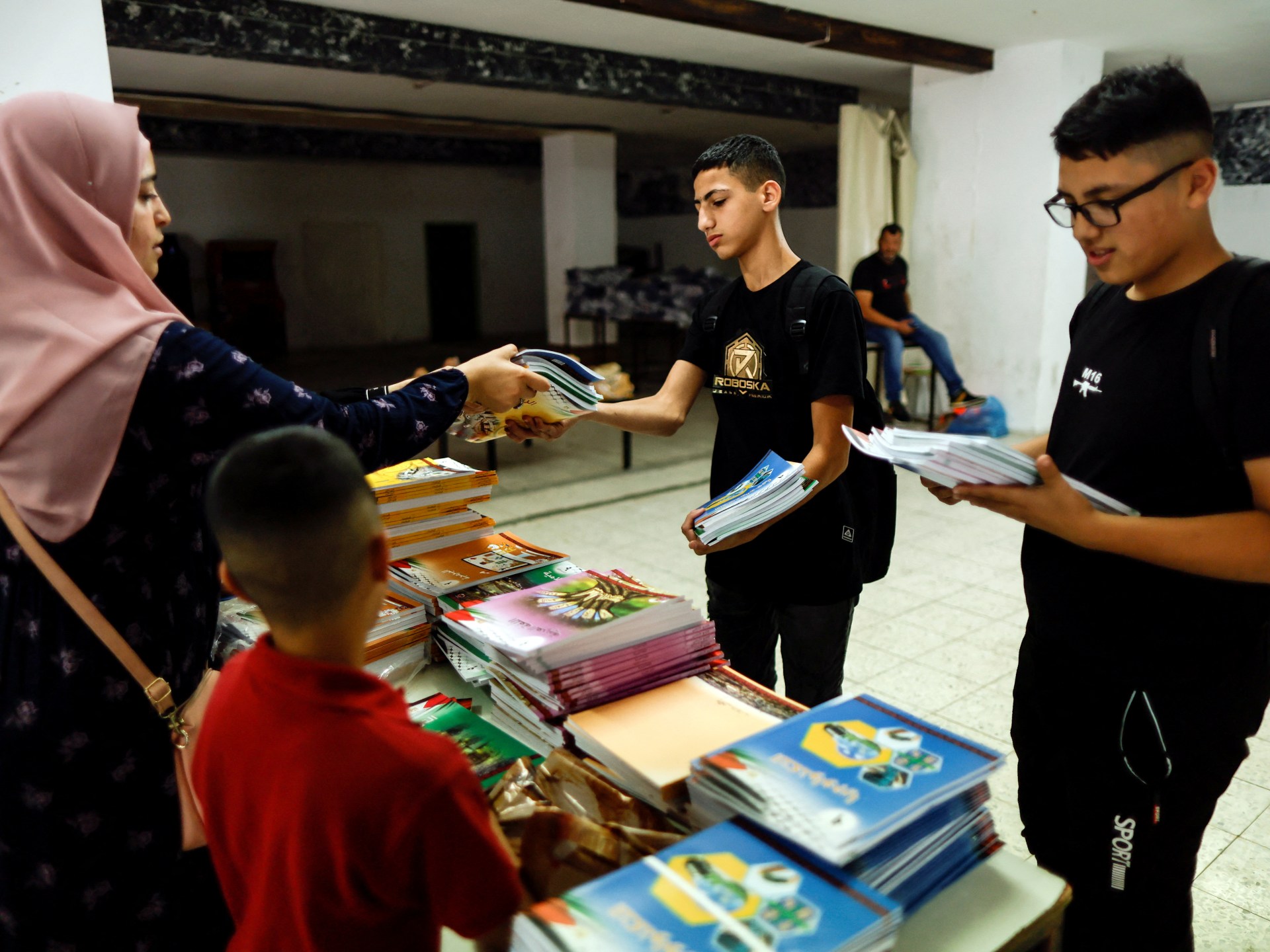
Geopolitical & Core Developments
The ongoing geopolitical friction in the Middle East has increasingly manifested within the realm of education, as occupation authorities intensify their campaign to censor Palestinian school curricula. Central to this strategy is the systematic targeting of textbooks and educational frameworks in East Jerusalem and the broader occupied territories. Israeli municipal and military authorities argue that current educational materials promote anti-normalization and incite resistance, prompting widespread administrative crackdowns, curriculum re-imposition, and the threat of license revocations for local schools refusing to adopt state-sanctioned syllabi. At its core, this policy seeks to suppress the transmission of Palestinian national consciousness, history, and cultural identity to younger generations. By systematically excising references to the Nakba, historical maps, and national symbols from classrooms, authorities are attempting to reshape the foundational narrative of the indigenous population. This educational intervention forms a critical pillar of a broader annexation and assimilation strategy, designed to fragment the social cohesion of Palestinian communities and cement long-term administrative control through cultural erasure.
Global Trade & Economic Ripples
While educational censorship primarily registers as a human rights and cultural crisis, the prolonged socio-political instability it engenders has direct ramifications for regional commerce, investor confidence, and global supply chain risk assessments. Persistent civil unrest, protests, and administrative crackdowns across the West Bank and East Jerusalem create persistent friction points for local trade networks, increasing logistics costs and transit delays for commercial goods moving through the region. Furthermore, international commodity markets, particularly those sensitive to Middle Eastern geopolitical stability—such as crude energy futures, regional logistics corridors, and agricultural imports—factor these sustained domestic tensions into sovereign risk premiums. Multinational corporations operating in or trading with the Levant face heightened compliance and reputational scrutiny, as institutional investors increasingly incorporate human rights compliance and social governance metrics into their portfolio valuations. The erosion of institutional stability in educational and municipal sectors thus feeds into a wider macroeconomic climate of uncertainty, deterring foreign direct investment and constraining sustainable economic development across the Palestinian territories.
Related Intelligence: Iraq Marks US Troop Withdrawal as Sovereignty Days Redraw Regional Security
International Reactions & Diplomatic Stances
The systematic interference in Palestinian education has drawn sharp rebukes from international human rights organizations, United Nations bodies, and various foreign ministries. UNESCO and UNICEF have repeatedly emphasized that the right to education, including the right of communities to shape their own cultural and historical curricula, is protected under international humanitarian law. European Union delegations have expressed deep concern over administrative measures targeting educational institutions, warning that such actions undermine the viability of a future two-state solution and violate fundamental educational rights. Conversely, Israeli authorities maintain that curriculum oversight is a necessary security measure to prevent radicalization and ensure compliance with educational standards. The diplomatic stalemate highlights a deep chasm between international legal frameworks governing occupied territories and the domestic security imperatives asserted by the occupying power, leaving multilateral bodies with limited enforcement mechanisms to halt the erosion of educational autonomy.
Strategic Outlook & Future Scenarios
Looking ahead, the trajectory of educational oversight in the occupied territories points toward deepening polarization and heightened confrontation between Palestinian school administrators and occupation authorities. As municipal bodies push for the total replacement of Palestinian curricula with Israeli-approved materials, widespread teacher strikes, community boycotts, and legal challenges are expected to paralyze the school system in East Jerusalem. This impending standoff risks triggering broader civil unrest, which could spill over into wider regional security escalations and draw renewed condemnation in upcoming UN General Assembly sessions. Sanctions or targeted diplomatic reprimands from Western allies remain a possibility should the censorship campaigns escalate into mass closures of educational facilities. Ultimately, the battle over the classroom serves as a bellwether for the broader geopolitical struggle, locking the region into a cycle of cultural friction and diminished prospects for sustainable peace.
Join Our Official WhatsApp Channel
Receive live commodity alerts, policy changes, and commercial intelligence directly on WhatsApp.