
Iraqi Kurdish Peshmerga Unification Reshapes Middle East Security Dynamics
Iraqi Kurdistan's historic push to unify its Peshmerga forces aims to secure regional stability and safeguard critical energy corridors amid shifting United States military deployments.
Geopolitical & Core Developments
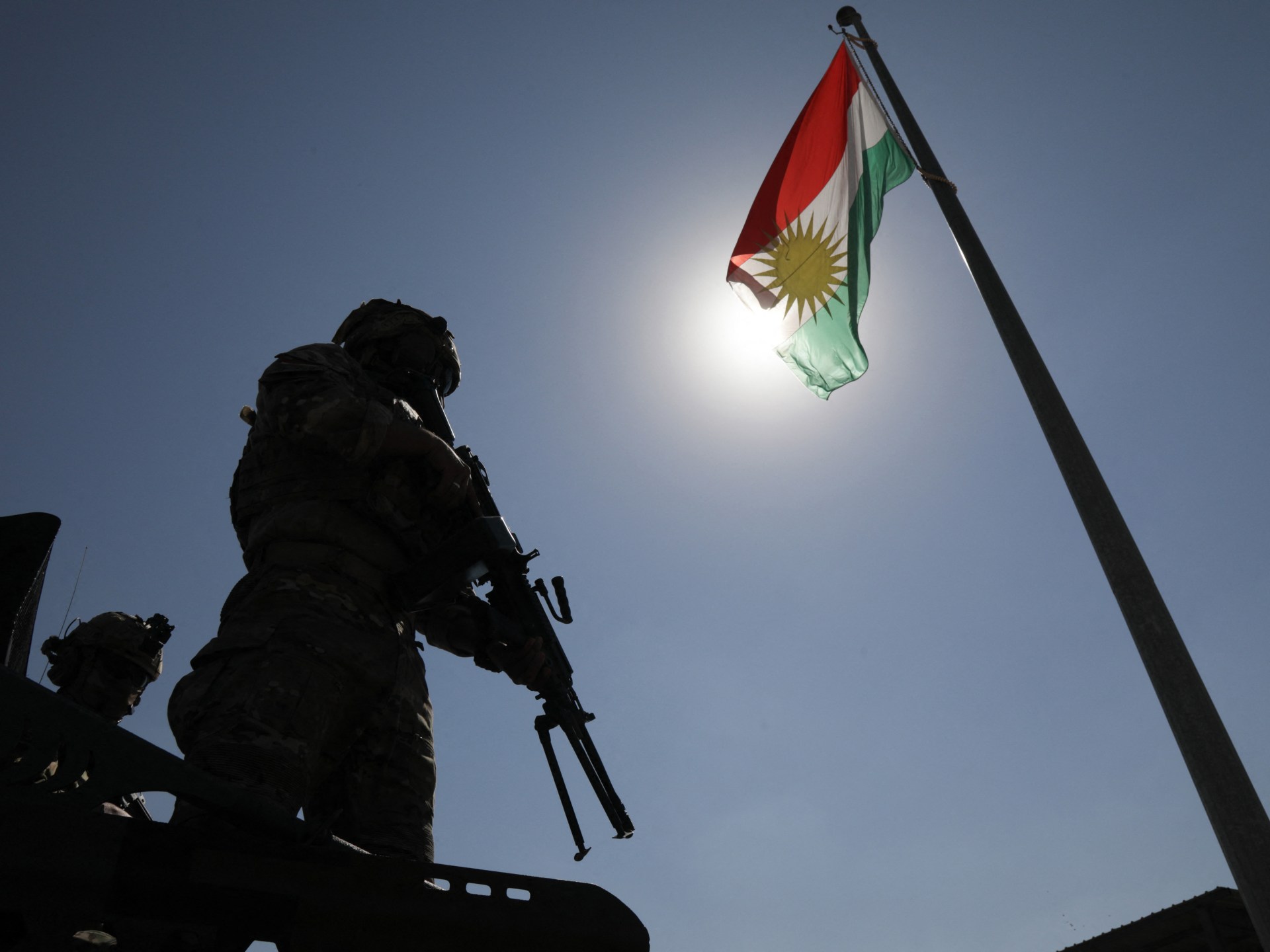
The security architecture of the Kurdistan Region of Iraq is undergoing a profound structural transformation. For decades, the Peshmerga forces have operated as a fractured military apparatus, divided largely along factional lines between the Kurdistan Democratic Party and the Patriotic Union of Kurdistan. However, the accelerating reconfiguration of United States military footprints across the Middle East has served as a powerful catalyst for change. Regional authorities are now aggressively pursuing comprehensive institutional unification to forge a unified national force capable of independently deterring asymmetric threats, particularly from resurgent extremist cells.
This domestic military consolidation occurs against a complex backdrop of federal negotiations in Baghdad and regional friction involving neighboring states. The transition from decentralized militias to a centralized, professionalized command structure involves streamlining intelligence-sharing, standardizing logistical supply chains, and integrating specialized brigades under the Ministry of Peshmerga Affairs. Diplomats and security analysts note that while political resistance from entrenched factional leaders remains a formidable hurdle, external pressures and the imperative of internal state-building have created an unprecedented window for structural reform.
Global Trade & Economic Ripples
Beyond immediate security considerations, the unification of the Peshmerga carries profound implications for global energy markets and international commerce. The Kurdistan Region sits atop vast hydrocarbon reserves that are vital to global energy supplies. Persistent internal political instability and fragmented security governance have historically deterred foreign direct investment and complicated international oil company operations, frequently disrupting crude extraction and export pipelines running through northern corridors toward Mediterranean ports.
A unified, professionally managed security force provides international energy conglomerates and institutional investors with the predictability required for long-term capital deployment. Enhanced regional stability directly mitigates supply chain vulnerabilities in the eastern Mediterranean trade nexus, reassuring global shipping and commodity markets. Furthermore, a cohesive security apparatus helps stabilize local currency valuations by fostering a predictable economic environment, reducing risk premiums on trade finance, and facilitating smoother cross-border commercial transit between Iraq, Turkey, and broader regional markets.
Related Intelligence: Makkah Defence Alliance Formed to Bolster Regional Stability
International Reactions & Diplomatic Stances
International stakeholders, multilateral bodies, and coalition partners have offered cautious yet firm backing for the ongoing security integration process. The United States Department of Defense, alongside European Union military advisors embedded in the region, has repeatedly emphasized that continued financial and logistical support is strictly contingent upon measurable progress in structural reform and de-politicization of the armed ranks.
United Nations envoys monitoring the political transition in Iraq have underscored that a stable, unified Kurdish security force is indispensable for maintaining the fragile constitutional balance in Baghdad. Meanwhile, market analysts and international credit rating agencies have highlighted the economic dividends of reduced internal political friction. However, neighboring regional powers maintain a watchful posture, carefully calibrating their diplomatic and security responses to ensure that a strengthened Kurdish military apparatus does not alter the delicate regional balance of power.
Strategic Outlook & Future Scenarios
As the unification process enters its critical implementation phase, the coming months will test the political will of Erbil's leadership. Key milestones include the complete amalgamation of elite units, the standardization of military budgets, and the establishment of robust oversight mechanisms by the federal government in Baghdad. Failure to overcome persistent factional mistrust could trigger renewed internal paralysis, leaving the region vulnerable to external coercion and internal security vacuums.
Conversely, successful consolidation could position the Kurdistan Region as a reliable pillar of stability in an increasingly volatile Middle East. Upcoming diplomatic summits and bilateral security dialogues will serve as vital barometers for measuring international confidence in the new framework. For global commodity traders and institutional investors, monitoring the pace of Peshmerga reform will remain an essential metric for assessing long-term risk and opportunity across the broader Mesopotamian basin.
Join Our Official WhatsApp Channel
Receive live commodity alerts, policy changes, and commercial intelligence directly on WhatsApp.