
Pakistan Consumer Inflation Eases to 10.3pc in September
Pakistan's consumer inflation eased to 10.3 percent in September driven by slower food price growth, aligning with official projections.
The Core Development
Consumer inflation in Pakistan eased to 10.3 per cent year-on-year in September, retreating from 11.1 per cent recorded a month earlier, according to official data released by the Pakistan Bureau of Statistics (PBS) on Thursday. This slight deceleration in the Consumer Price Index (CPI) effectively reverses the sharp upward spike witnessed in August, when escalating food and energy prices had pushed the annual rate up from July's multi-month low of 9.2 per cent.
The September reading falls comfortably within the Ministry of Finance's projected range of 10.0 per cent to 11.0 per cent, as outlined in its Monthly Economic Update and Outlook. However, a closer inspection of the month-on-month figures reveals underlying price pressures, with the general price index registering a 1.3 per cent increase over August levels. Furthermore, the annual inflation rate stands notably higher than the 5.8 per cent recorded in September of the previous year, highlighting persistent structural cost pressures across the broader economy.
Commercial & Economic Implications
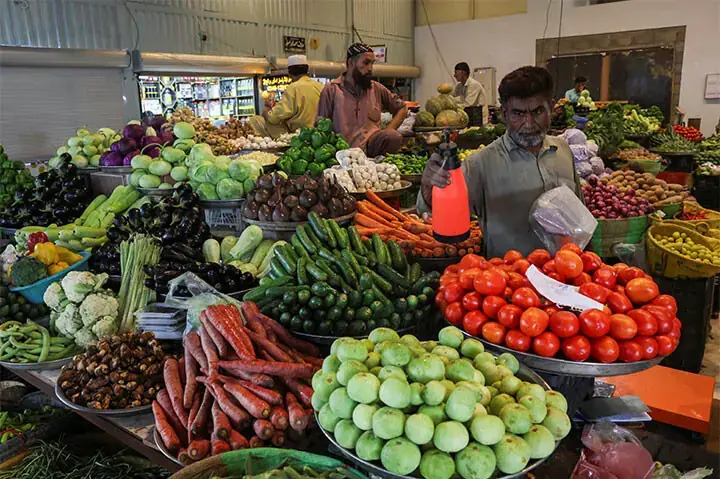
The deceleration in headline inflation was predominantly driven by a marked slowdown in food inflation, offering temporary relief to retail markets and wholesale distribution networks across urban and rural centers. Regional disparities in price movements remained apparent, with the easing process proving significantly more pronounced in rural areas. Rural inflation tumbled to 10.5 per cent in September from 12.2 per cent in August, whereas urban inflation saw a more modest contraction, edging down to 10.1 per cent from 10.4 per cent.
For commercial enterprises and retail traders operating under Kalyar Traders' market purview, the moderation in food supply chain costs is a welcome development. Yet, the 1.3 per cent monthly price increase signals that input costs, logistics expenses, and utility tariffs continue to exert upward pressure on day-to-day commercial operations. Wholesalers and distributors must navigate these monthly cost increases carefully to protect diminishing retail margins while maintaining consumer demand in a tight liquidity environment.
Related Intelligence: Modi Shifts Strategy to Confront Trump Directly on Tariffs and Security
Stakeholder Perspectives & Market Reactions
Financial analysts and industry bodies have greeted the September inflation print with cautious optimism, noting that monetary policy transmission is beginning to cool aggregate demand. Business associations, however, continue to voice concerns regarding high industrial power tariffs and persistent petroleum levy adjustments, which they argue prevent a more decisive collapse in core inflation rates.
Official statements from economic managers emphasize that fiscal consolidation and tighter monetary oversight are yielding the desired stabilization effects. Market participants are increasingly factoring in these trends as they evaluate future corporate borrowing costs, inventory stocking strategies, and pricing architectures heading into the final quarter of the calendar year.
Forward Outlook & Key Watchpoints
As the economy transitions toward the winter fiscal cycle, key watchpoints for policymakers and business leaders include global energy commodity trends, exchange rate stability, and upcoming adjustments to regulated utility prices. While the annual inflation trajectory appears to be stabilizing within single-digit proximity, persistent month-on-month volatility underscores the fragility of domestic purchasing power. Stakeholders will monitor upcoming PBS releases to determine whether the September slowdown represents a sustained disinflationary trend or merely a temporary plateau in Pakistan's broader macroeconomic recovery.
Join Our Official WhatsApp Channel
Receive live commodity alerts, policy changes, and commercial intelligence directly on WhatsApp.