
Iraq Seeks US Waiver on Iranian Flights Amid Regional Sanctions Pressures
The Iraqi government is actively pursuing a US sanctions waiver for Iranian commercial flights, highlighting delicate geopolitical balancing acts and potential commercial ramifications across Middle Eastern trade corridors.
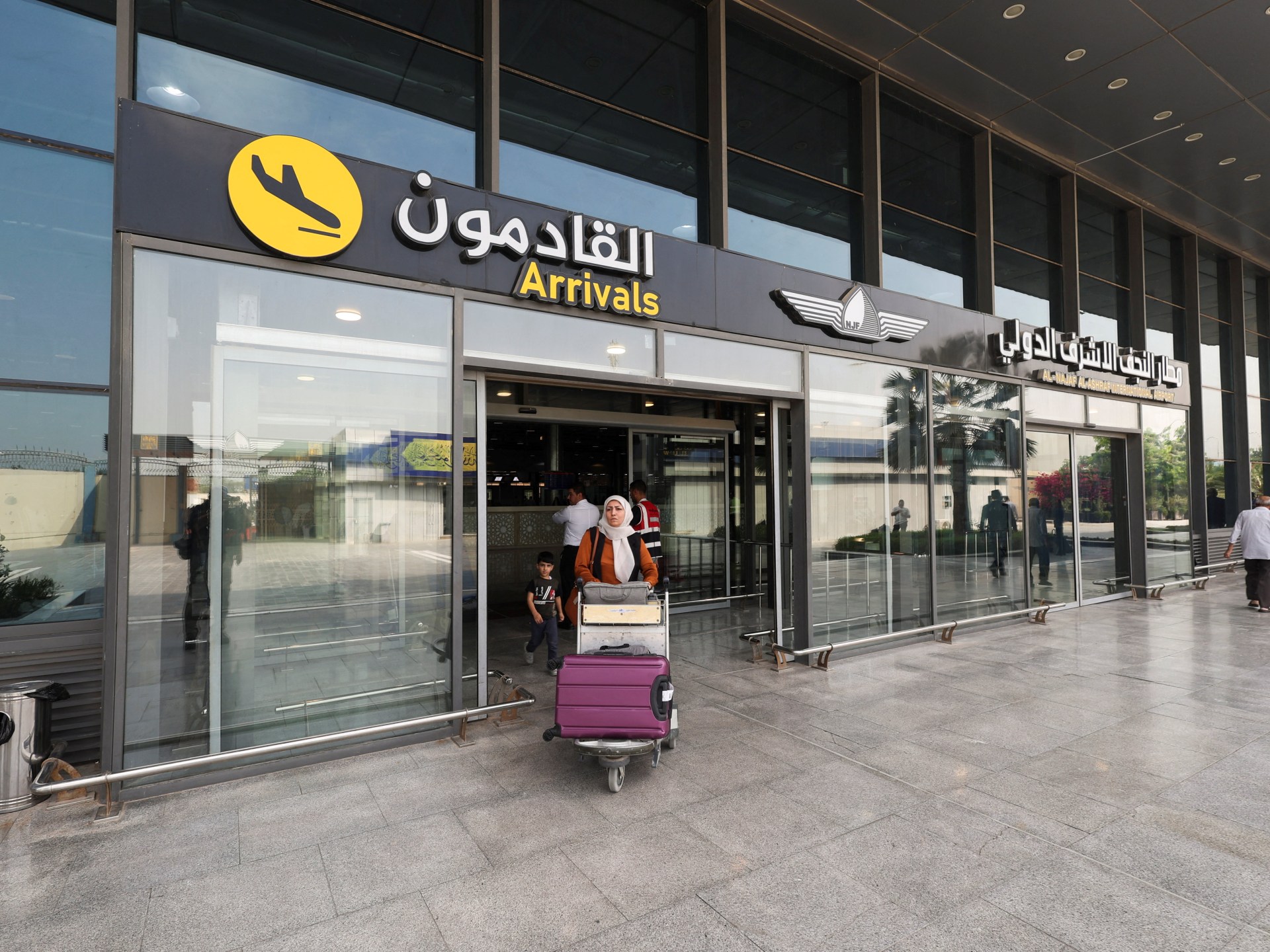
Geopolitical & Core Developments
The Iraqi government has formally initiated diplomatic channels with Washington to secure targeted exemptions from stringent US sanctions prohibiting commercial flights involving Iranian airspace and carriers. Led by the administration of Ali al-Zaidi, Baghdad finds itself navigating a complex geopolitical labyrinth. The request underscores the deep-rooted logistical and economic ties binding Iraq to its eastern neighbor, even as Western capitals ramp up economic pressure on Tehran.
Washington's ongoing sanctions regime targets Iranian aviation networks over alleged illicit military transfers and regional destabilization efforts. However, Iraqi authorities argue that a blanket prohibition severely compromises bilateral civilian transit, religious tourism, and diplomatic communications. The ongoing dialogue reflects Baghdad's broader foreign policy doctrine of positive neutrality, striving to de-escalate escalating regional friction points while maintaining essential cross-border connectivity. Strategic stakeholders in both capitals recognize that aviation restrictions carry symbolic and material weight, serving as a primary lever for economic containment.
Global Trade & Economic Ripples
Beyond the immediate diplomatic friction, the dispute over flight corridors introduces substantial friction into regional commerce, supply chains, and commodity logistics. Middle Eastern airspace serves as a vital arteriovenous network for international air cargo, connecting European markets with Asian manufacturing hubs. Any forced rerouting due to expanded sanctions compliance adds considerable fuel burn, extends transit times, and ultimately drives up freight rates for perishable goods, high-value electronics, and industrial components.
Energy markets are monitoring the situation closely. While aviation bans do not directly target crude oil flows, they act as a barometer for overall sanctions enforcement intensity. Tighter financial and logistical monitoring of Iran-facing entities inevitably complicates trade finance, insurance underwriting, and maritime logistics in the Persian Gulf and adjacent waterways. Commodity traders are pricing in higher operational risks, anticipating that prolonged diplomatic standoffs could spill over into broader trade restrictions affecting non-sanctioned goods.
Related Intelligence: Escalating Strikes Undermine UAE Ceasefire Push as Energy Markets Quake
International Reactions & Diplomatic Stances
International response to Baghdad's waiver request has been characterized by careful diplomatic calibration. Western officials have acknowledged receipt of the Iraqi petition but emphasized that sanctions relief remains contingent upon rigorous verification mechanisms to prevent dual-use technological proliferation. Multilateral bodies, including the International Civil Aviation Organization, have quietly monitored the situation, expressing concern over the potential fragmentation of regional air traffic management.
Market analysts suggest that Washington's response will set a crucial precedent for other regional actors attempting to maintain commercial ties with Iran under the shadow of secondary sanctions. Financial risk consultancies note that international lenders and insurers operating in Iraq are adopting a highly defensive posture, demanding absolute clarity from regulatory bodies before committing capital to cross-border logistics ventures.
Strategic Outlook & Future Scenarios
Looking ahead, the trajectory of Iraq's exemption request will depend heavily on broader nuclear diplomacy and security developments along the Iran-Iraq border. If Washington grants a conditional waiver, it could signal a pragmatic willingness to carve out humanitarian and civilian necessities from broader maximum-pressure campaigns. Conversely, a flat rejection would likely force Baghdad to curtail cross-border air links, potentially fueling domestic political discontent among factions with close ties to Tehran.
Upcoming bilateral summits and ministerial talks in Washington and Baghdad will serve as critical flashpoints for determining the outcome. As geopolitical rivalries intensify, the delicate equilibrium maintained by Iraq will remain a vital stress test for economic statecraft and regional stability in the Middle East.
Join Our Official WhatsApp Channel
Receive live commodity alerts, policy changes, and commercial intelligence directly on WhatsApp.