
Morocco Appoints Fatima Ezzahra El Mansouri as First Female Prime Minister
King Mohammed VI has appointed Marrakesh mayor Fatima Ezzahra El Mansouri as Morocco's first female prime minister following her party's parliamentary election victory.
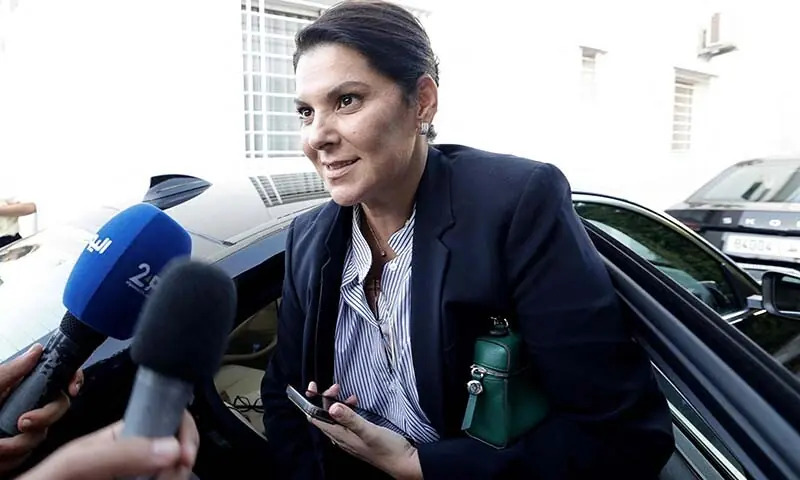
The Core Development
In a landmark political shift for North Africa, King Mohammed VI of Morocco on Tuesday officially appointed Marrakesh mayor Fatima Ezzahra El Mansouri as the country's first female prime minister. The royal cabinet announced the appointment following parliamentary elections in which El Mansouri's centre-right Authenticity and Modernity Party (PAM) decisively dominated the legislative contest. The party secured 97 out of the 395 available seats in the House of Representatives, outperforming its closest competitor by 31 seats.
Despite the clear victory, the election cycle was characterized by significant voter apathy, recording the lowest turnout figures in two decades. King Mohammed VI formally tasked the 50-year-old leader—who previously gained administrative experience serving as the national housing minister—with forming the incoming government coalition. In a televised address delivered shortly after the royal announcement, El Mansouri acknowledged the profound significance of her elevation. She noted that for the first time in the nation's history, a woman has assumed the responsibility of leading the government, calling it a historic milestone and a source of deep pride for Moroccan women.
Commercial & Economic Implications
For international trade partners and emerging market analysts, including commercial stakeholders in Pakistan, leadership transitions in North Africa carry significant weight regarding bilateral trade agreements and regional economic stability. Morocco serves as a critical strategic gateway between Africa, the Middle East, and European markets. Changes in governmental leadership and ministerial portfolios, particularly within the housing and commerce sectors where El Mansouri holds extensive expertise, directly influence foreign direct investment frameworks, phosphate exports, and agricultural trade logistics.
From a wholesale distribution and retail perspective, political continuity coupled with progressive administrative leadership often signals regulatory adjustments aimed at bolstering domestic market resilience. As global supply chains navigate persistent inflationary pressures, Pakistani exporters monitoring the Middle East and North Africa (MENA) corridor will be closely evaluating how the new administration under El Mansouri manages fiscal policy, public spending on infrastructure, and tariff structures. Stability in Morocco ensures predictable trade routes and sustains bilateral commerce in textiles, agricultural goods, and manufactured commodities.
Related Intelligence: Morocco Appoints Fatima Ezzahra El Mansouri as First Female Prime Minister
Stakeholder Perspectives & Market Reactions
Business councils, trade associations, and civil society organizations within Morocco have expressed cautious optimism following the royal cabinet's announcement. While the historically low voter turnout reflects a segment of the electorate demanding deeper socio-economic reforms, the business community has welcomed El Mansouri's proven track record as the mayor of Marrakesh and former housing minister. Industry bodies emphasize that her administrative competence is vital for addressing unemployment, housing deficits, and regional economic disparities.
Legal and political analysts point out that while executive power in Morocco remains centralized within the monarchy, the prime minister plays an indispensable role in steering legislative agendas, executing economic policy, and negotiating international trade pacts. Public response has generally focused on the symbolic weight of breaking the political glass ceiling, though expectations remain high regarding tangible economic relief amid rising global living costs.
Forward Outlook & Key Watchpoints
As Fatima Ezzahra El Mansouri commences the complex task of coalition-building in the House of Representatives, financial markets and institutional investors will monitor the composition of her cabinet, particularly key economic portfolios such as finance, trade, and industry. The immediate timeline requires the new prime minister to finalize policy priorities, present a cohesive legislative agenda, and secure parliamentary confidence.
Key watchpoints for international observers include the administration's fiscal deficit targets, strategies to stimulate job creation for the youth, and the implementation of structural reforms intended to attract foreign investment. The success of El Mansouri's tenure will be measured not only by the historic nature of her appointment but by her ability to navigate Morocco's economic challenges and foster sustained commercial growth.
Join Our Official WhatsApp Channel
Receive live commodity alerts, policy changes, and commercial intelligence directly on WhatsApp.