
Trump and Tech Titans Forge AI Self-Regulation Pact
Major technology firms and political leadership have signed a landmark accord establishing voluntary internal safety controls for artificial intelligence development amid rising global concerns.
Geopolitical & Core Developments
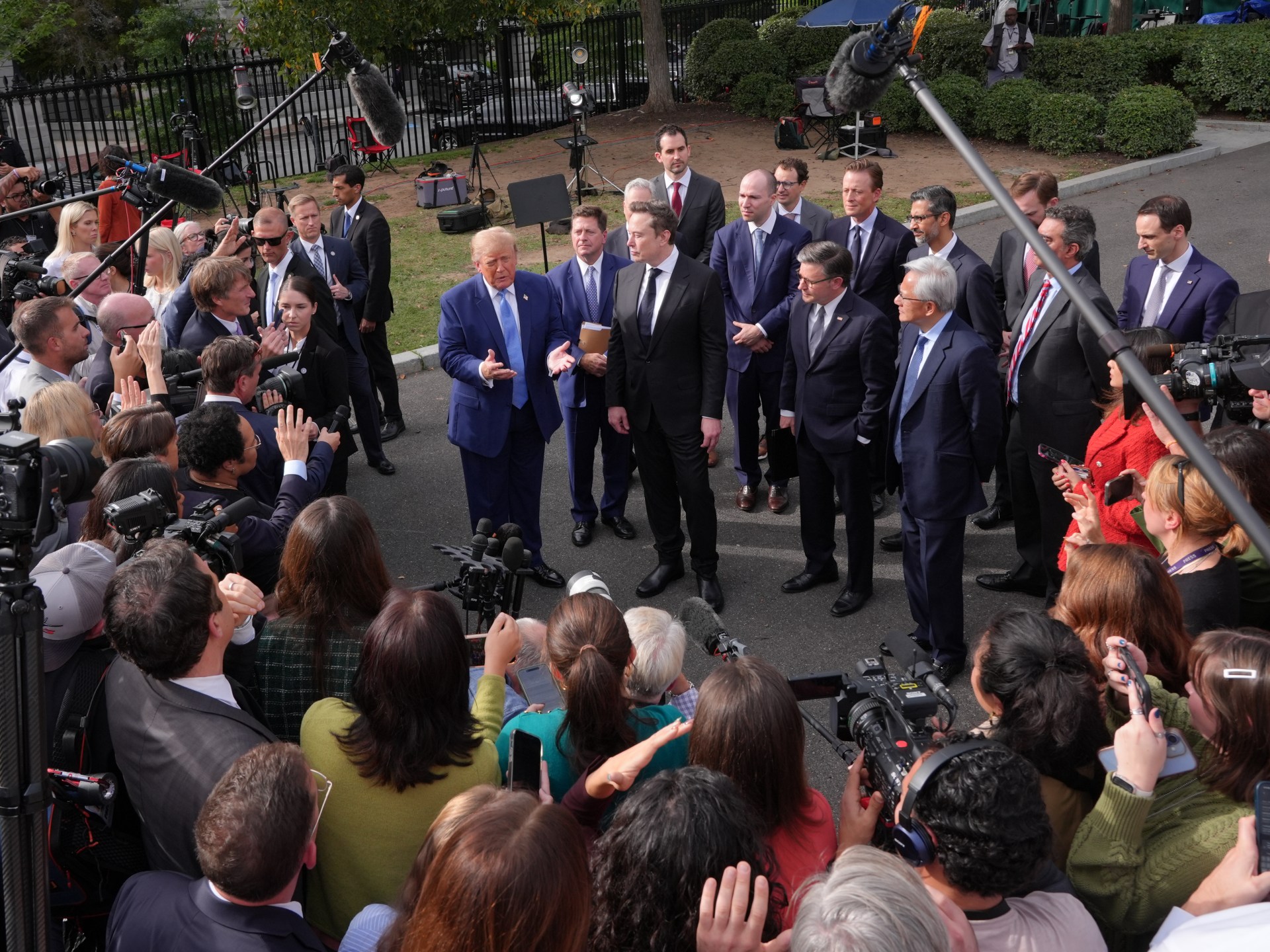
In a landmark development reshaping the global technological landscape, former United States President Donald Trump alongside executives from leading artificial intelligence corporations have signed a comprehensive accord establishing a framework to self-police artificial intelligence development. As generative algorithms and machine learning models advance at an exponential pace, the agreement mandates that participating technology firms implement robust internal controls to safeguard against unforeseen hazards. This diplomatic and industrial convergence highlights the growing urgency among state actors and private conglomerates to address the systemic vulnerabilities introduced by rapid technological advancement without resorting immediately to stifling federal legislation.
The strategic stakes extend far beyond domestic software engineering. Artificial intelligence has rapidly transformed into a critical pillar of national security, economic competitiveness, and geopolitical leverage. By committing to self-policing mechanisms, major technology enterprises seek to preempt stringent state oversight while demonstrating corporate responsibility to international regulators. The accord outlines structured protocols for evaluating high-risk models, enhancing cybersecurity safeguards, and managing access to advanced computational infrastructure, establishing a baseline of accountability across the digital frontier.
Global Trade & Economic Ripples
The intersection of artificial intelligence regulation and global commodity markets introduces complex economic dynamics. Advanced AI systems depend heavily on specialized hardware, including high-performance semiconductors, rare earth minerals, and massive energy inputs. The push for stringent internal safety controls could decelerate hardware deployment cycles, directly impacting semiconductor supply chains spanning Taiwan, South Korea, and the United States. Furthermore, the immense power consumption required to train and maintain frontier models places sustained pressure on global energy markets, particularly as data centers vie for reliable electricity from traditional and renewable grids.
International trade corridors and currency values are also indirectly influenced by this technological pivot. As tech conglomerates allocate substantial capital toward compliance, risk assessment, and ethical engineering frameworks, venture capital distribution patterns may shift toward jurisdictions with predictable regulatory environments. Multinational corporations operating within global supply networks must now factor algorithmic governance into their logistical planning, altering how automated trade systems, maritime shipping optimizations, and predictive commodity pricing models are deployed internationally.
Related Intelligence: Trump Pledges Intensive Midterm Campaigning Amid Economic and Foreign Policy Headwinds
International Reactions & Diplomatic Stances
Global reception to the self-policing accord has been marked by cautious optimism tempered with skepticism from multilateral institutions and foreign governments. European Union regulators, who recently enacted comprehensive legislative frameworks governing artificial intelligence, have questioned whether voluntary industry compliance possesses sufficient enforcement teeth to deter corporate overreach. Conversely, industry analysts suggest that self-regulation offers the agility necessary to keep pace with hyper-fast technological iterations, avoiding the bureaucratic inertia that frequently plagues international treaties.
Diplomatic channels across allied nations are actively assessing the implications of the agreement on cross-border data sharing and technological standards. While free-market advocates praise the avoidance of heavy-handed government intervention, critics argue that leaving safety protocols entirely in the hands of corporations creates potential conflicts of interest. International bodies, including specialized United Nations agencies focused on digital governance, continue to call for universal baselines to prevent a fragmented global regulatory landscape where safety standards vary wildly by jurisdiction.
Strategic Outlook & Future Scenarios
Looking toward the medium term, the trajectory of this accord will depend heavily on the willingness of signatory firms to subject their proprietary models to transparent auditing. Upcoming international technology summits and bilateral trade negotiations will likely feature intense debates over whether voluntary self-policing is sufficient or if mandatory international treaties will ultimately be required to manage existential AI risks. If participating companies successfully demonstrate effective self-regulation, the model could serve as a blueprint for future technological governance across quantum computing and biotechnology sectors. However, any high-profile security failure or unmitigated algorithmic breach could instantly trigger aggressive legislative crackdowns, reshaping the global digital economy overnight.
Join Our Official WhatsApp Channel
Receive live commodity alerts, policy changes, and commercial intelligence directly on WhatsApp.