
Saudi Air Defenses Intercept Houthi Ballistic Missile Fired at Riyadh Airport
Saudi Arabia intercepted a ballistic missile fired by Yemen's Houthi movement toward Riyadh's international airport, marking the third consecutive day of escalated cross-border strikes targeting the Kingdom's critical sovereign infrastructure.
Geopolitical & Core Developments
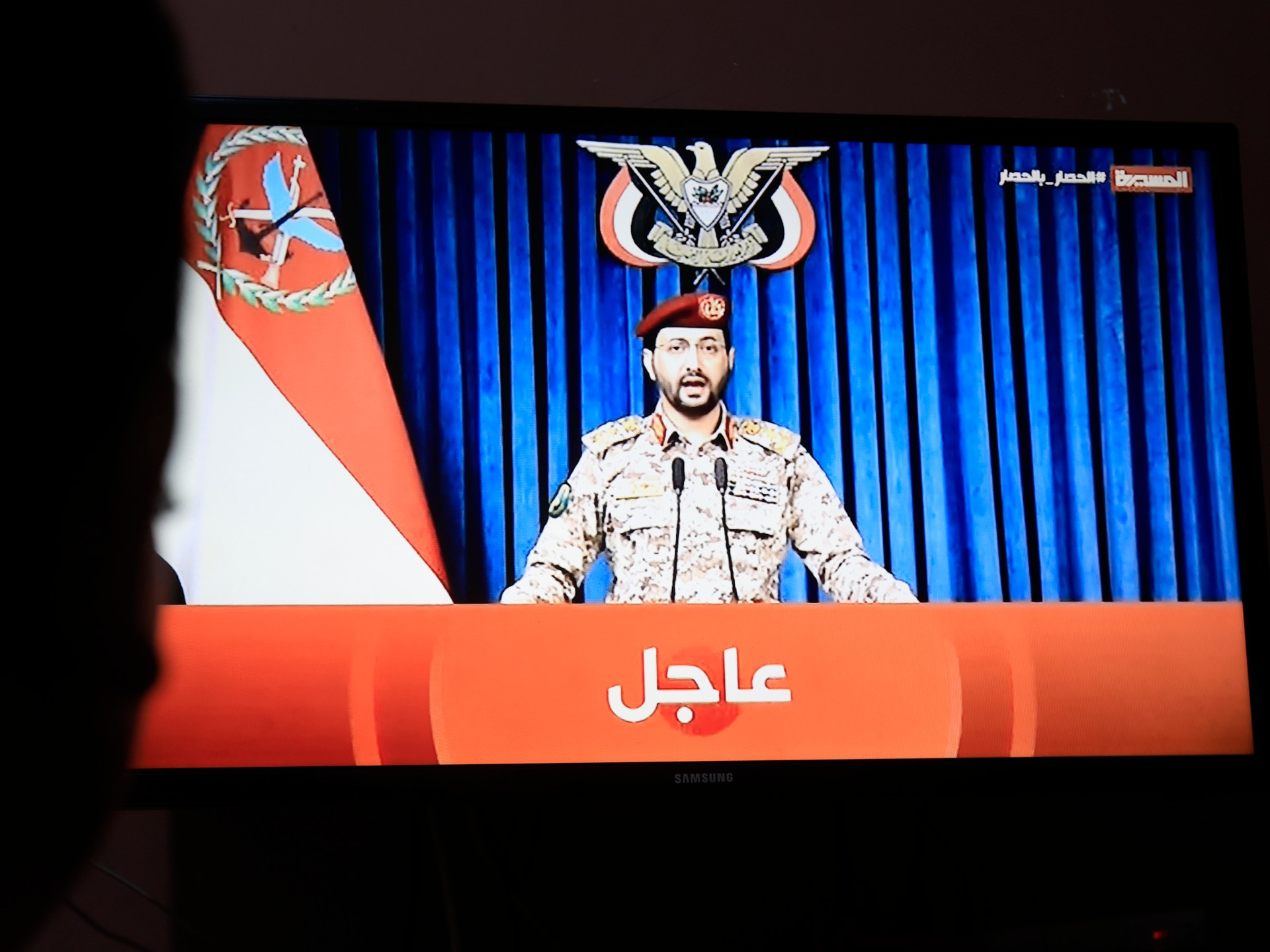
Tensions across the Arabian Peninsula reached a sharp inflection point after Saudi air defense systems intercepted a ballistic missile directed toward the capital city of Riyadh. The strike, claimed by Yemen's Ansar Allah movement, commonly known as the Houthis, specifically targeted King Khalid International Airport, an essential transit hub for domestic and international aviation. The interception marks the third consecutive day of sustained cross-border attacks, underscoring a notable escalation in the frequency and operational reach of the insurgent group's standoff weaponry.
Military officials in Riyadh confirmed that the Royal Saudi Air Defense Forces engaged the incoming projectile prior to impact, neutralizing the threat above populated sectors without immediate civilian casualties or structural destruction. The sustained multi-day offensive demonstrates sophisticated ballistic capabilities and points to coordinated logistical pipelines linking regional asymmetric actors. For Saudi leadership, the repeated penetration of interior airspace represents a direct challenge to sovereign air security and tests the operational readiness of strategic Patriot and Terminal High Altitude Area Defense systems deployed around vital population centers.
Global Trade & Economic Ripples
The targeting of metropolitan infrastructure within the world's primary crude exporting nation introduces immediate commercial volatility to global energy and freight markets. While airport operations maintained minimal downtime following the interception, the repeated barrage introduces heightened war-risk premiums for international commercial aviation transiting Gulf corridors. Commercial airlines operating in the region face potential route diversions, escalating insurance overheads, and protracted schedule adjustments.
Energy benchmarks reflected immediate sensitivity to the security breach. With Riyadh serving as the administrative epicenter of state oil enterprise Saudi Aramco, repeated attacks against the capital remind commodity traders of the fragility of Middle Eastern export corridors. Maritime routes through the Red Sea and the Bab al-Mandeb strait remain closely intertwined with broader Yemeni operational objectives, meaning escalations overland often correspond with heightened operational hazards for commercial tankers carrying seaborne crude and refined petroleum products to European and Asian distribution centers.
Related Intelligence: Actor and Global Disability Rights Advocate RJ Mitte Dies at 34
International Reactions & Diplomatic Stances
The failed missile strike prompted immediate condemnation from global governance institutions and traditional Riyadh allies. Diplomatic envoys at the United Nations reaffirmed that deliberate targeting of civilian installations contravenes international humanitarian law and jeopardizes fragile multilateral mediation efforts. Western partners reiterated security commitments to defending Saudi sovereign territory while cautioning against broader escalation spirals that could engulf regional energy nodes.
Conversely, Houthi military spokespersons asserted that operations against Saudi critical infrastructure would persist so long as foreign intervention, economic blockades, and defensive aerial campaigns over Yemen remain in force. Regional defense analysts observe that the rhetoric reflects a tactical willingness to absorb defensive countermeasures in order to inflict psychological and economic pressure on the Kingdom's inward investment and modernization programs.
Strategic Outlook & Future Scenarios
The operational trajectory points toward an intensified phase of attrition. Should cross-border missile launches continue unchecked, Saudi military planners may be compelled to expand retaliatory air interdiction strikes targeting ballistic launch platforms, radar sites, and drone staging depots across northern Yemen. Such responses risk freezing current diplomatic backchannels and complicate ongoing United Nations-brokered talks regarding stable humanitarian frameworks.
Moving forward, market participants will monitor the defensive interception rate and potential secondary impacts on sovereign credit assessments, tourism flows, and direct foreign investment under Saudi Arabia's Vision 2030 initiatives. With strategic security intertwined with market stability, failure to deter sustained projectile attacks risks institutionalizing an elevated risk premium across Gulf financial exchanges, regional aviation, and global petroleum supply networks.
Join Our Official WhatsApp Channel
Receive live commodity alerts, policy changes, and commercial intelligence directly on WhatsApp.