
Iran Revolutionary Guard Issues Direct Appeal to US Voters Over Ongoing Conflict
Iran's military has issued an unprecedented open letter accusing the US administration of misleading citizens about ongoing conflicts, raising geopolitical tensions and commodity market anxieties.
Geopolitical & Core Developments
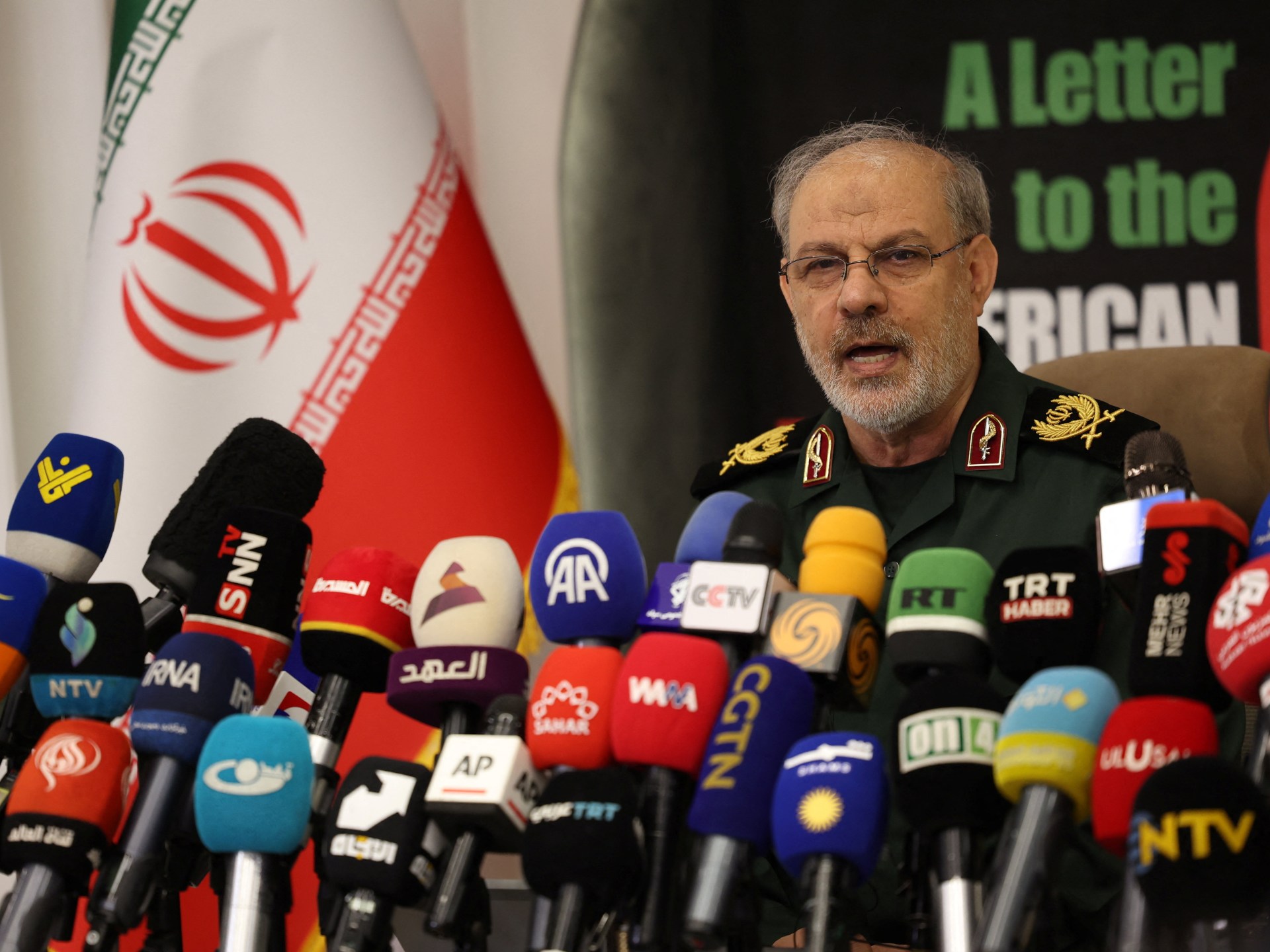
In an extraordinary and highly unorthodox diplomatic maneuver, Iran’s Islamic Revolutionary Guard Corps (IRGC) has issued a direct public appeal to United States voters, accusing the Washington administration of systematically deceiving its citizenry regarding the true nature and trajectory of ongoing military confrontations. The open letter, disseminated via state-affiliated media channels, marks a distinct psychological shift in Tehran's strategic communications, bypassing traditional diplomatic channels to engage directly with the American electorate ahead of crucial domestic political milestones.
The core of the IRGC's grievance centers on the framing of protracted military engagements in the Middle East. Tehran contends that executive leadership in Washington has obscured the human and financial tolls of hostile policies, painting a distorted picture of deterrence and strategic success. By appealing directly to the US populace, Iranian military leadership attempts to fracture domestic consensus within the United States, amplifying anti-war sentiments and challenging the legitimacy of current foreign policy doctrines. This direct intervention underscores the depth of hostility between the two nations, where conventional diplomacy has largely been replaced by cyber warfare, proxy escalations, and now, targeted public messaging designed to influence domestic political stability.
Global Trade & Economic Ripples
The escalation of rhetorical hostility between Washington and Tehran immediately reverberates through global commodity markets, most notably within the energy sector. Traders and institutional investors closely monitor any uptick in geopolitical friction involving Iran due to its strategic geographical position along the Strait of Hormuz, a critical maritime chokepoint through which a significant fraction of the world’s petroleum transits. Any credible threat to disrupt commercial shipping lanes in the Persian Gulf triggers immediate speculative spikes in Brent crude and liquefied natural gas futures, elevating input costs for manufacturing and transportation economies worldwide.
Beyond immediate energy pricing, the persistent state of high alert across the Middle East induces broader supply chain anxieties. International shipping conglomerates are forced to reassess risk premiums and contingency routing around the Cape of Good Hope, extending transit times between Asian manufacturing hubs and European consumer markets. Concurrently, safe-haven assets such as gold and sovereign bonds experience heightened volatility as institutional capital hedges against the tail-risk of kinetic escalation. Foreign exchange markets also reflect these pressures, with currencies of energy-importing developing nations bearing the brunt of imported inflationary impulses driven by volatile crude prices.
Related Intelligence: Slovak School Stabbing Prompts National Security and Youth Violence Review
International Reactions & Diplomatic Stances
International bodies and regional actors have responded to the IRGC's unprecedented public letter with cautious alarm, warning against the dangers of psychological warfare and miscalculation. European diplomatic services have reiterated calls for maximum restraint, emphasizing that direct public appeals by military organizations significantly narrow the window for backchannel de-escalation. Multilateral observers note that while direct communication between adversarial states is essential, weaponized public letters risk inflaming domestic polarization within Western democracies without offering tangible pathways toward negotiated settlements.
Market analysts and geopolitical risk consultancies have adjusted their risk matrices, noting that Tehran's strategy signals a transition toward asymmetric political warfare. Regional powers in the Gulf Cooperation Council are monitoring the situation with acute sensitivity, striving to insulate their economic diversification initiatives from potential fallout. Meanwhile, international organizations continue to stress the urgent need for revitalized diplomatic frameworks to manage maritime security and prevent localized rhetoric from translating into systemic commercial disruptions.
Strategic Outlook & Future Scenarios
Looking ahead, the trajectory of US-Iran relations remains precariously tethered to domestic political developments within the United States and the internal calculations of the Iranian security apparatus. Should political rhetoric continue to escalate, the probability of retaliatory cyber operations or localized maritime friction in the Gulf increases markedly. Upcoming international summits and multilateral diplomatic forums will serve as critical barometers for whether moderate factions can reassert control over formal communication channels.
Sanctions enforcement mechanisms and secondary trade restrictions are expected to remain central pillars of Western policy, further isolating Iran’s financial sector while inadvertently pushing Tehran into closer economic alignment with alternative global powers. For multinational corporations and commodity traders, navigating this volatile landscape requires robust geopolitical risk mitigation strategies, diversified supply chain architectures, and continuous contingency planning to weather sudden shifts in international stability.
Join Our Official WhatsApp Channel
Receive live commodity alerts, policy changes, and commercial intelligence directly on WhatsApp.