
Iran Downplays Role in Houthi Victories Amid Regional Tensions
Tehran has officially distanced itself from recent Houthi tactical successes in Yemen, even as international monitors warn of deepening covert military assistance.
Geopolitical & Core Developments
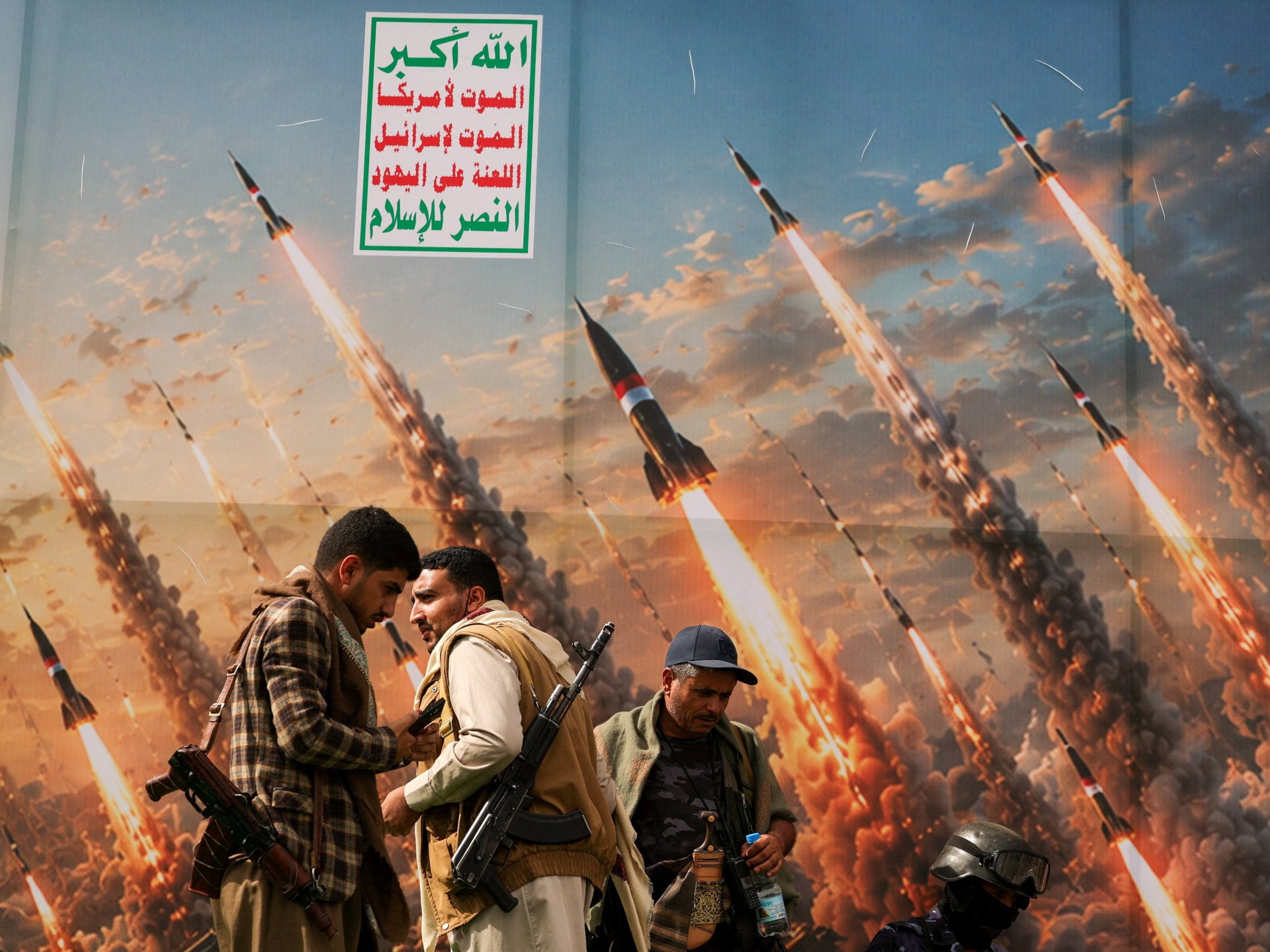
Tehran has officially distanced itself from recent Houthi tactical successes in Yemen, seeking to manage international fallout as the regional balance of power remains intensely precarious. For years, Western intelligence agencies, regional adversaries, and United Nations panels of experts have documented a sophisticated pipeline of advanced weaponry, logistical support, and tactical training flowing from Iran to the Houthi movement. Despite this mounting body of evidence, Iranian officials maintain that the Yemeni group operates with complete operational autonomy, framing their alignment within the broader Axis of Resistance as ideological rather than command-driven. This diplomatic posture is designed to insulate Tehran from direct accountability while preserving its strategic leverage across the Arabian Peninsula. The geopolitical stakes have escalated sharply as Houthi forces consolidate territorial gains and project power far beyond Yemen's traditional borders, directly challenging regional stability and drawing retaliatory strikes from a US-led coalition. The core of the diplomatic challenge lies in untangling Tehran’s plausible deniability from the physical reality of advanced missile and drone technology deployed across the southern Red Sea theater.
Global Trade & Economic Ripples
The reverberations of the ongoing Yemeni conflict extend far beyond regional security, striking directly at the heart of global commerce and commodity pricing. The Bab el-Mandeb strait, a crucial maritime chokepoint through which a significant percentage of global container shipping and energy transit passes, has become an increasingly hazardous zone. Continued Houthi maritime harassment and missile strikes have forced major international shipping lines to reroute vessels around the Cape of Good Hope, adding thousands of nautical miles and weeks of transit time to Asia-Europe trade journeys. This maritime dislocation has triggered a cascading chain of economic pressures, including sharply elevated freight rates, marine war risk insurance premiums, and localized supply chain bottlenecks. Energy markets remain acutely sensitive to these disruptions; while physical crude supplies have not been catastrophically choked, the persistent risk premium embedded in futures contracts adds inflationary pressure to refined products, liquefied natural gas, and industrial inputs worldwide.
Related Intelligence: Pakistan Cuts Fuel Prices Amid Global Market Shifts
International Reactions & Diplomatic Stances
The international community has responded with a mixture of stern diplomatic rebukes and targeted security countermeasures, though consensus on how to curb Tehran's regional influence remains elusive. Western capitals have repeatedly condemned Iran's alleged proliferation of ballistic missile and unmanned aerial vehicle technology to non-state actors in blatant violation of multiple UN Security Council resolutions. Meanwhile, multilateral bodies, including the International Maritime Organization, have issued urgent appeals for unhindered freedom of navigation, warning that the militarization of vital trade corridors threatens global economic recovery. Regional actors, particularly Gulf Cooperation Council states, navigate a delicate diplomatic tightrope, pursuing bilateral de-escalation dialogues with Tehran while quietly supporting defensive maritime patrols. Market analysts and geopolitical risk consultancies emphasize that until a durable political settlement is achieved within Yemen, diplomatic condemnations alone will do little to alter the calculus of militant groups operating along critical global supply arteries.
Strategic Outlook & Future Scenarios
Looking ahead, the trajectory of the conflict points toward a protracted period of low-intensity maritime attrition and heightened geopolitical friction. Upcoming diplomatic engagements, including UN-sponsored peace talks and regional security summits, face severe headwinds as long as military actions in the Red Sea continue to disrupt global trade. Sanctions enforcement agencies in the United States and the European Union are expected to tighten their focus on illicit financial networks, front companies, and maritime smuggling routes used to channel dual-use goods into Yemen. Should diplomatic efforts fail to establish credible deterrence, the risk of a wider regional escalation involving direct confrontations between state actors remains a persistent tail risk for global markets. For international traders, shipping operators, and corporate strategists, resilience planning must account for permanent structural shifts in maritime logistics and sustained premium pricing across critical global trade corridors.
Join Our Official WhatsApp Channel
Receive live commodity alerts, policy changes, and commercial intelligence directly on WhatsApp.