
Pakistan Suffers 4-0 Defeat to Thailand in FIFA ASEAN Cup Opener
Pakistan began their FIFA ASEAN Cup campaign with a chastening 4-0 defeat against Thailand in Bandung, Indonesia, highlighting structural and tactical challenges facing the national side.
The Core Development
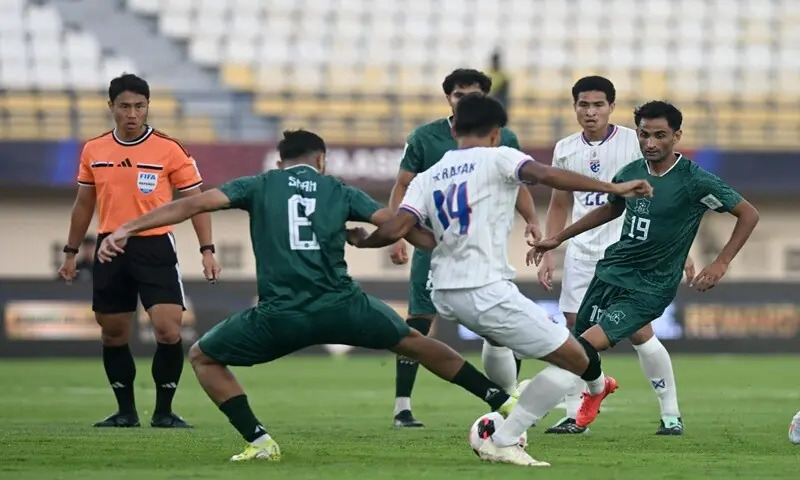
Pakistan opened their debut campaign at the FIFA ASEAN Cup with a sobering 4-0 defeat against a clinical Thailand side at the Si Jalak Harupat Stadium in Bandung, Indonesia, on Saturday. Competing as a guest invitee side, the Green Shirts entered the tournament ranked 198th in the global FIFA standings, facing an uphill battle against regional powerhouses. Coached by Nolberto Solano, the squad adopted a cautious, defense-first posture during a cagey opening half-hour that frustrated the Thai attack.
Disciplined early defending was marked by crucial interventions. Mohibullah produced a brilliant interception in the penalty area, while Ali Raza executed a superb sliding tackle to neutralize surging opposition advances. Goalkeeper Yousuf Butt was called into action multiple times, making a sharp save around the 30-minute mark to parry away long-range efforts and a dangerous header from Jude Soonsup-Bell. However, the defensive resistance broke in the 31st minute when Yousuf saved an initial header, only for Teerasak Poeiphimai to react quickest and tuck in the rebound. A catastrophic misplaced pass by captain Abdullah Iqbal ten minutes later triggered a rapid Thai counter-attack, compounding Pakistan's troubles before the interval.
Commercial & Economic Implications
While international football fixtures do not immediately shift retail trade indices or domestic wholesale distribution channels, major athletic delegations carry notable macroeconomic footprints. For Kalyar Traders and the broader business community in Pakistan, the commercial valuation of sports infrastructure and national brand equity remains closely tied to international exposure. Sporting events of this caliber drive sponsorship revenues, media broadcasting rights, and sports-retail merchandising markets domestically.
Substandard international performances often suppress corporate appetite for long-term sponsorships within local football development programs. Conversely, sustained participation in high-profile regional tournaments stimulates the domestic sports goods manufacturing sector—a vital export industry based in Sialkot. Economic stakeholders note that transforming athletic potential into viable commercial ecosystems requires robust institutional funding, efficient supply-chain logistics for training gear, and structured private-public partnerships to insulate national sports bodies from fiscal volatility.
Stakeholder Perspectives & Market Reactions
Reactions from sports administrators, fan syndicates, and industry bodies reflect a mixture of pragmatic acceptance and acute frustration regarding the state of Pakistani football governance. Representatives from local trader and industrial associations emphasize that national representation on international platforms must be backed by transparent administrative frameworks and professional management to yield positive sentiment.
Critics and former players point out that while competing against higher-ranked opponents offers invaluable experience, recurring heavy defeats underscore chronic underfunding and infrastructural neglect at the grassroots level. Public response across digital forums has called for a comprehensive audit of the Pakistan Football Federation's (PFF) operational strategies, demanding structural reforms to bridge the widening competitive gap between Pakistan and its regional peers.
Forward Outlook & Key Watchpoints
As the FIFA ASEAN Cup group stage progresses, the immediate focus for Solano's coaching staff shifts to defensive rehabilitation and tactical adjustments ahead of upcoming fixtures. Observers will closely monitor squad selection, disciplinary responses to unforced errors, and fitness management over a demanding tournament schedule.
Policy enforcement within national sports administration and the allocation of development grants by federal oversight bodies will remain critical benchmarks in the coming months. Long-term recovery hinges on establishing sustainable talent pipelines, upgrading domestic league structures, and attracting institutional investment to secure competitive parity on the international stage.
Join Our Official WhatsApp Channel
Receive live commodity alerts, policy changes, and commercial intelligence directly on WhatsApp.