
French Hard-Right Leadership Faces Fresh Scrutiny Amid Escalating Political Confrontation
National Rally leader Jordan Bardella faces severe political fallout and vows libel action over resurfaced allegations from his youth, heightening tensions across the French political landscape.
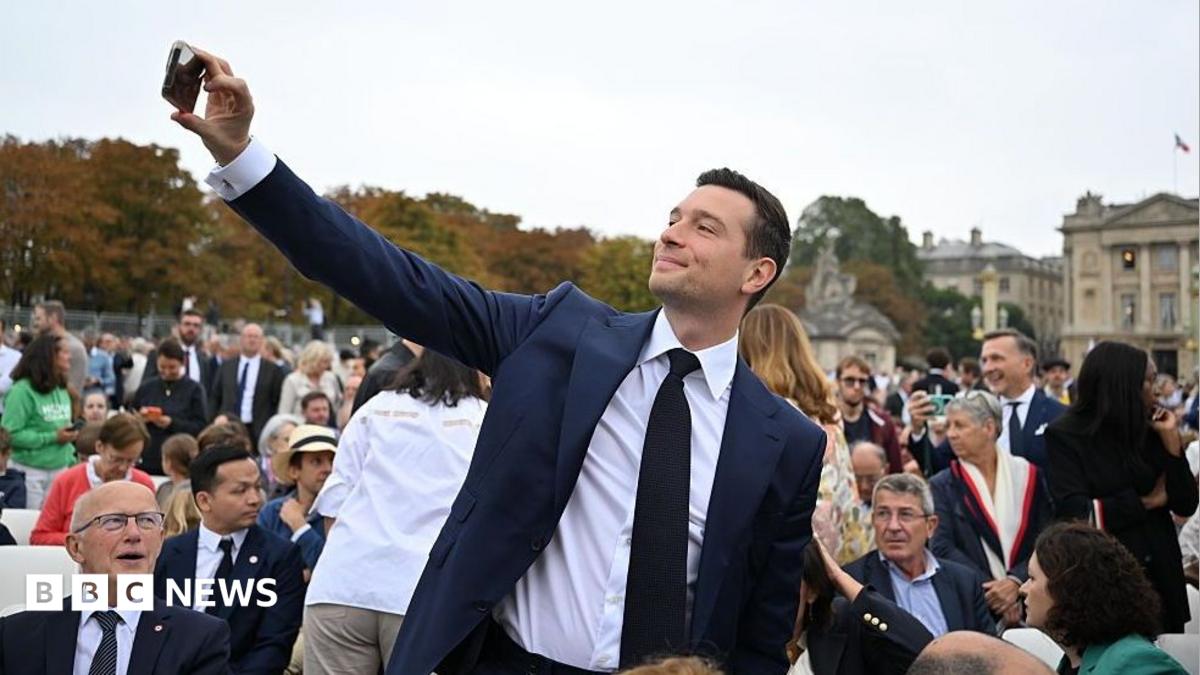
Geopolitical & Core Developments
The French political landscape has entered a volatile phase following explosive allegations directed at National Rally (RN) President Jordan Bardella. The controversy centers on resurfaced claims regarding comments Bardella allegedly made as a young political activist, which critics have characterized as antisemitic. In response to the intensifying political storm, Bardella has categorically denied the accusations and announced immediate legal action for libel, framing the attacks as a calculated strategy by his opponents to derail the momentum of the hard-right movement.
This domestic confrontation occurs against a backdrop of shifting European political alignments. The National Rally, long striving to detoxify its brand and present a viable government-in-waiting, finds its institutional legitimacy aggressively challenged by a coalition of center-left and centrist adversaries. Bardella characterized the onslaught as a form of total war designed to delegitimize millions of voters who support the nationalist platform. As state actors and political factions lock horns, the institutional stability of France's Fifth Republic faces renewed pressure, with legislative and executive branches increasingly consumed by ideological warfare.
Global Trade & Economic Ripples
While the dispute appears primarily domestic and cultural, international financial markets and commodity traders closely monitor French political instability. France remains a core pillar of the European Union and the Eurozone, meaning any significant political shift toward nationalist governance introduces policy uncertainty that directly affects sovereign debt yields and investor confidence. The widening spread between French and German government bonds reflects lingering anxieties among institutional investors regarding potential fiscal populism and regulatory friction within the single market.
Furthermore, prolonged political deadlock in Paris risks paralyzing broader European economic reforms, ranging from energy market integration to industrial subsidies and agricultural policy adjustments. Commodities linked to European manufacturing and agricultural exports could experience volatility if political friction impedes France's ability to advocate effectively within Brussels trade negotiations. International supply chain stakeholders remain vigilant, recognizing that political polarization in core European economies frequently spills over into regulatory unpredictability and trade friction.
Related Intelligence: West Bank Violence Escalates Geopolitical Risks for Trade and Energy
International Reactions & Diplomatic Stances
International observers, including European partner capitals and multilateral institutions, are watching the escalation with discreet concern. While foreign ministries have largely refrained from commenting directly on an ongoing domestic legal dispute, diplomats across the continent acknowledge that the mainstreaming of hard-right nationalist parties alters the diplomatic calculus within the European Council. Financial analysts and credit rating agencies have issued cautious notes, emphasizing that domestic political polarization could constrain the French government's capacity to implement structural economic reforms mandated by EU fiscal rules.
Human rights organizations and international watchdogs have seized upon the rhetoric surrounding the controversy to demand greater accountability regarding historical extremism within European political parties. Conversely, populist allies across Europe have rallied behind Bardella, denouncing what they term judicialized politics and media bias designed to marginalize anti-establishment movements.
Strategic Outlook & Future Scenarios
Looking ahead, the trajectory of French politics will heavily influence the broader geopolitical stability of Western Europe. If Bardella's libel suit proceeds to court, the trial is expected to dominate public discourse, potentially weaponizing historical grievances ahead of upcoming electoral cycles. This legal and political battle could harden ideological divisions, making parliamentary consensus on critical budgetary and security measures increasingly difficult to achieve.
For international markets and strategic planners, the central risk lies in potential governance paralysis in Paris. As France navigates persistent domestic tumult, its capacity to project leadership on the global stage—particularly regarding European defense autonomy, trade agreements, and energy security—may be severely curtailed. Investors must price in sustained political volatility as a baseline condition for French assets throughout the medium term.
Join Our Official WhatsApp Channel
Receive live commodity alerts, policy changes, and commercial intelligence directly on WhatsApp.