
Morocco Appoints Fatima Ezzahra El Mansouri as First Female Prime Minister
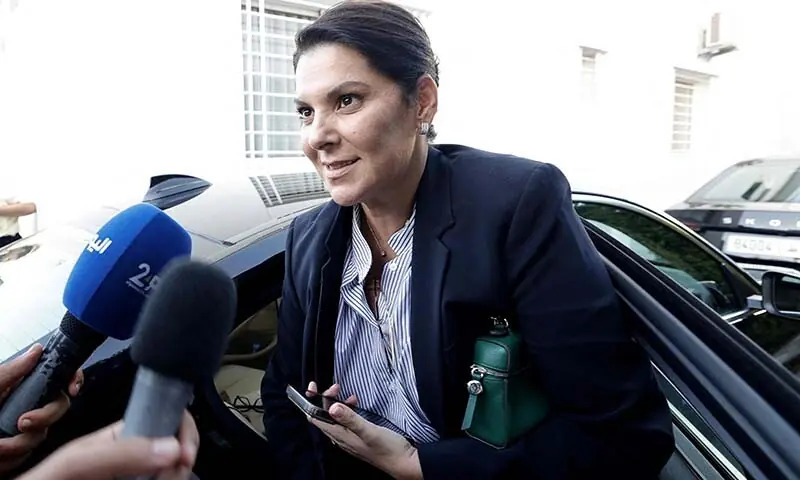
King Mohammed VI has appointed Marrakesh mayor Fatima Ezzahra El Mansouri as Morocco's first female prime minister following her party's parliamentary election victory.
The Core Development
In a landmark political shift for the North African kingdom, the royal cabinet announced on Tuesday that King Mohammed VI has named Marrakesh mayor Fatima Ezzahra El Mansouri as Morocco's first female prime minister. The appointment follows decisive parliamentary elections where her centre-right Authenticity and Modernity Party (PAM) dominated the polls, securing 97 out of 395 seats in the House of Representatives. This victory placed the party 31 seats ahead of its closest competitor, granting El Mansouri the mandate to form a new government.
Despite the historic nature of the victory, the electoral process was underscored by voter apathy, registering the lowest turnout seen in Morocco in two decades. El Mansouri, a 50-year-old seasoned politician and former housing minister, addressed the nation in a televised broadcast shortly after her designation. She described the appointment as a truly historic milestone for the nation, emphasizing that having a woman lead the government for the first time is a profound source of pride for all Moroccan women and a significant step forward in the country's institutional evolution.
Commercial & Economic Implications
For international trade partners and emerging market analysts, including business networks operating out of Pakistan, leadership transitions in North Africa carry vital strategic weight. Morocco serves as a critical commercial bridge between the Middle East, Africa, and European markets, particularly in sectors such as agriculture, phosphate mining, manufacturing, and textile wholesale distribution. El Mansouri's background as the former housing minister suggests a strong focus on urban infrastructure development, public-private partnerships, and domestic market stimulus.
If the incoming administration successfully implements business-friendly fiscal policies to revitalize local consumer demand, bilateral trade corridors between Pakistan and Morocco could see renewed momentum, particularly in textile exports and agricultural commodities like rice and fertilizers. However, economists caution that domestic inflationary pressures and sluggish post-pandemic consumer spending remain pressing challenges that could impact wholesale retail markets and supply chain dynamics within the region.
Related Intelligence: Morocco Appoints First Female Prime Minister in Historic Shift
Stakeholder Perspectives & Market Reactions
Business councils, women empowerment groups, and political analysts have expressed widespread optimism following El Mansouri's elevation to the premiership. Industry bodies in Casablanca and Rabat have welcomed the appointment, citing her proven administrative competence during her tenure as mayor of Marrakesh and housing minister as a positive indicator for regulatory stability and investment protection.
Conversely, opposition factions and civil society organizations have raised concerns regarding the low voter turnout, arguing that the incoming administration must work diligently to rebuild public trust in democratic institutions. Legal experts and constitutional scholars note that while executive authority in Morocco remains anchored by the monarchy, the prime minister's office plays a pivotal role in steering economic legislation, managing public expenditures, and negotiating international trade agreements.
Forward Outlook & Key Watchpoints
As El Mansouri embarks on the complex process of cabinet formation, domestic and international stakeholders will closely monitor her policy priorities, ministerial appointments, and economic reform agenda. Key watchpoints include the upcoming parliamentary budget debates, the rollout of fiscal stimulus measures aimed at reviving retail trade, and any potential legislative adjustments affecting foreign direct investment.
For Pakistan-based traders and strategic analysts watching North African markets, the stability of Morocco's new government will serve as a bellwether for regional trade agreements and bilateral economic cooperation. The effectiveness of El Mansouri's administration in addressing cost-of-living concerns and fostering inclusive economic growth will ultimately define the legacy of this historic political transition.
Join Our Official WhatsApp Channel
Receive live commodity alerts, policy changes, and commercial intelligence directly on WhatsApp.