
Pakistan Cuts Fuel Prices Amid Global Market Shifts
The Pakistani government has announced minor reductions in petroleum and high-speed diesel prices following lower international market rates, offering brief relief to consumers.
The Core Development
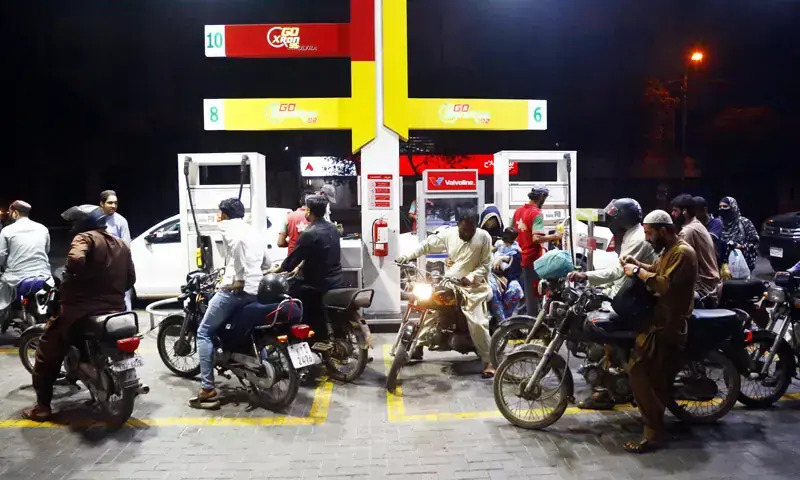
The federal government of Pakistan has officially announced a downward revision in petroleum product prices, providing a modest respite to consumers amidst persistent inflationary pressures. According to the official notification issued by the Ministry of Finance, based on the recommendations of the Oil and Gas Regulatory Authority (OGRA), the price of petrol has been reduced by Rs1.49 per litre. Concurrently, the price of high-speed diesel (HSD), a vital fuel powering heavy transport, agriculture, and industrial logistics across the country, has been slashed by Rs2.73 per litre.
This pricing adjustment takes immediate effect and will remain applicable for the upcoming fortnightly review period. The downward revision is directly tied to the recent fluctuations and stabilization observed in global crude oil benchmarks over the preceding fortnight. Ministry officials noted that domestic retail prices continue to be calibrated in accordance with landed costs, existing petroleum levy structures, and applicable general sales tax rates.
Commercial & Economic Implications
For Pakistan's domestic economy, even marginal adjustments in fuel prices carry significant ripple effects across commercial supply chains. High-speed diesel remains the lifeblood of the country's transport and agricultural sectors. The Rs2.73 per litre reduction in HSD translates directly into lower freight and trucking operational costs, which theoretically should help moderate the cost of moving perishable goods and manufactured items across inter-provincial trade corridors.
Similarly, the reduction in petrol prices offers minor relief to urban commuters, motorcycle users, and small-scale commercial operators who rely heavily on personal or light commercial vehicles for daily commerce. However, economists and financial analysts at Kalyar Traders emphasize that while any price reduction is welcome, the broader inflationary impact may remain limited unless sustained over multiple review cycles. Energy costs are deeply embedded in industrial manufacturing, power generation, and retail pricing structures, meaning temporary relief does not automatically dismantle underlying structural inflation.
Related Intelligence: US Measles Surge Hits 35-Year High Amid Public Health Crisis
Stakeholder Perspectives & Market Reactions
Initial reactions from commercial transport associations and retail trader bodies have been cautiously optimistic, though tempered by pragmatism. Representatives of various transport unions pointed out that while diesel price cuts are a step in the direction of lower operating expenses, cumulative burdens from previous tax hikes, high toll rates, and spare parts inflation continue to squeeze profit margins.
Consumer rights advocates and market watchers have similarly scrutinized the quantum of the price reduction, arguing that domestic consumers often bear the brunt of sharp international price spikes immediately, while downward adjustments in global markets are passed on more conservatively. Meanwhile, official circles maintain that pricing formulas remain fully transparent, adhering strictly to import parity pricing mechanisms overseen by regulatory watchdogs.
Forward Outlook & Key Watchpoints
Looking ahead, market participants and economic analysts will closely monitor geopolitical developments in the Middle East and supply dynamics within OPEC+ nations, as these factors dictate the trajectory of international crude oil prices. Domestically, the government's adherence to petroleum levy revenue targets agreed upon with international financial institutions will continue to constrain how much retail prices can fall, even during periods of pronounced global surplus.
For businesses and logistics firms operating within Pakistan, strategic planning must account for continued volatility in energy markets. Stakeholders will watch upcoming fortnightly reviews by OGRA to determine whether the current downward trend solidifies into a sustained pricing corridor or proves to be a temporary fluctuation.
Join Our Official WhatsApp Channel
Receive live commodity alerts, policy changes, and commercial intelligence directly on WhatsApp.