
Yemeni Infrastructure Collapse Deepens Humanitarian Crisis and Threatens Red Sea Trade
Prolonged conflict in Yemen has crippled critical transport arteries and ports, escalating civilian displacement and amplifying risks for global maritime commerce.
Geopolitical & Core Developments
The protracted civil conflict in Yemen has entered a perilous new phase as strategic arterial roads and commercial ports face severe degradation and closure. Years of hostilities between Houthi forces and the internationally recognized government, backed by a Saudi-led coalition, have systematically dismantled the nation's logistical backbone. Recent months have witnessed a sharp escalation in blockades and localized fighting around key transport hubs, rendering major domestic trade routes impassable.
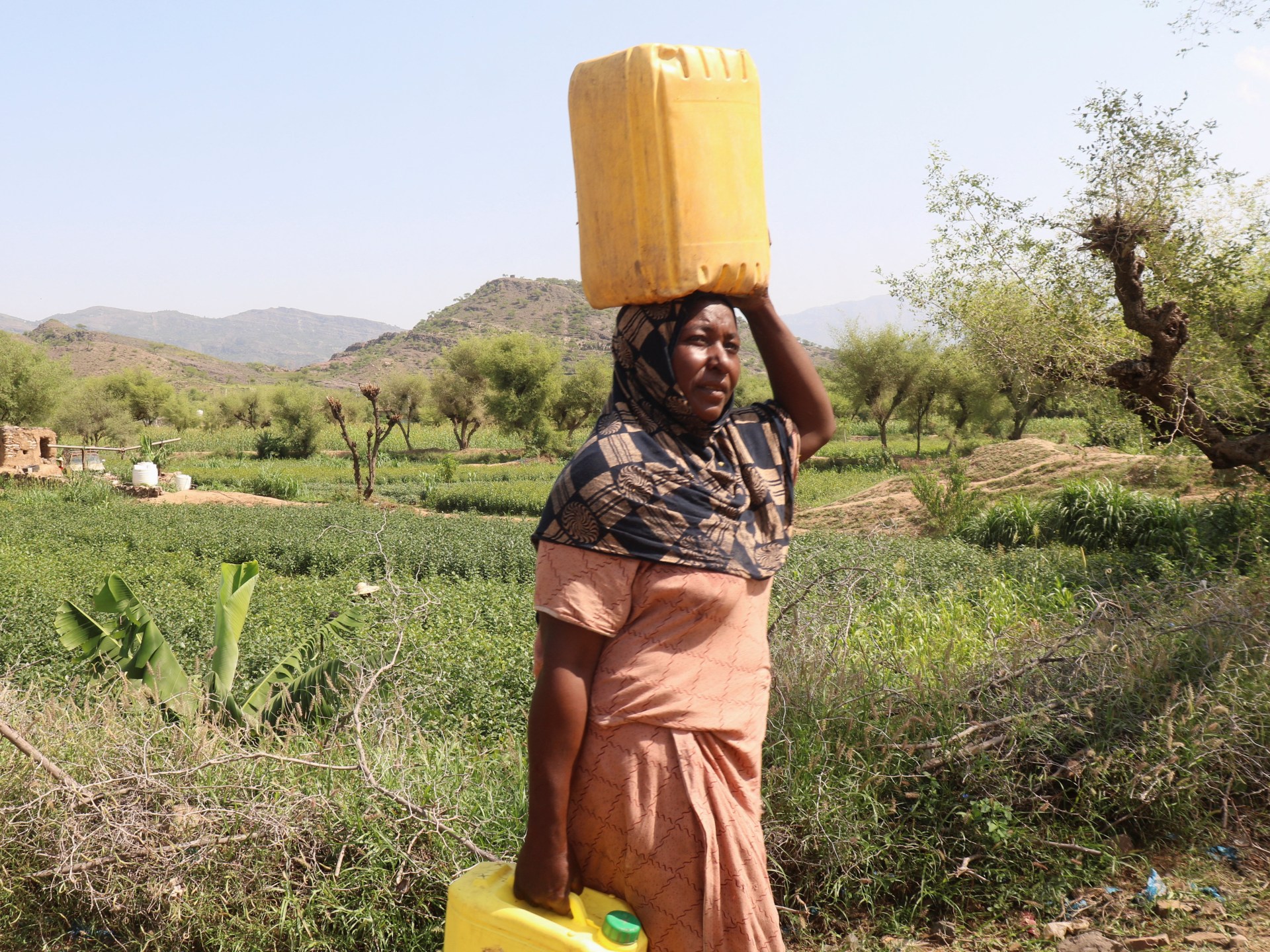
This physical fragmentation has catalyzed a massive surge in civilian displacement. Hundreds of thousands of Yemenis have been forced to flee their homes, crowding into makeshift camps lacking potable water, sanitation, and adequate medical care. Humanitarian access has grown increasingly precarious, with relief agencies reporting blocked supply lines that prevent critical food, fuel, and medical shipments from reaching vulnerable populations in contested governorates such as Taiz, Hodeidah, and Marib. The deliberate obstruction of commercial and humanitarian traffic continues to serve as both a tactical weapon and a catastrophic driver of human suffering.
Global Trade & Economic Ripples
The deterioration of Yemen's infrastructure extends far beyond domestic borders, casting a long shadow over global commodity markets and international shipping. Situated along the Bab el-Mandeb strait—a crucial maritime chokepoint through which a significant portion of global energy supplies and manufactured goods transit—Yemen's instability directly threatens maritime security.
While major container lines have already rerouted vessels around the Cape of Good Hope to avoid Red Sea risks, the compounding domestic crisis in Yemen reinforces persistent geopolitical premiums on marine insurance, fuel surcharges, and charter rates. Disruptions to Yemeni ports prevent local maritime servicing and restrict regional feeder networks, creating cascading delays across Middle Eastern supply chains. Furthermore, localized shortages of refined petroleum products within Yemen have pushed regional energy pricing volatility higher, impacting broader trade balances and currency stability across the wider Arabian Peninsula.
Related Intelligence: Estonia Blames Russia for Sabotage Campaign Targeting Ukraine Supply Lines
International Reactions & Diplomatic Stances
The United Nations and various international multilateral bodies have issued urgent appeals for immediate humanitarian truces and the reopening of critical transport corridors. UN Special Envoy for Yemen Hans Grundberg has repeatedly emphasized that sustainable economic recovery is inextricably linked to political dialogue, condemning the weaponization of civilian infrastructure.
Global powers, including the United States, European Union member states, and regional actors, have expressed deep concern over the dual threats of escalating humanitarian destitution and maritime insecurity. While diplomatic channels remain open through backchannel negotiations mediated by Oman and Saudi Arabia, formal peace talks have struggled to institutionalize lasting ceasefires. Market analysts warn that without a unified international enforcement mechanism to guarantee safe passage for both humanitarian aid and commercial shipping, systemic risks will remain elevated.
Strategic Outlook & Future Scenarios
Looking ahead, the trajectory of Yemen's crisis remains precariously balanced between localized containment and wider regional escalation. Upcoming diplomatic summits and ministerial meetings in Geneva and Riyadh will focus on establishing localized de-escalation frameworks, prioritizing the reopening of roads around besieged cities like Taiz.
However, failure to reach pragmatic compromises on revenue-sharing, public sector salaries, and infrastructure governance risks entrenching a permanent economic partition. For global markets, any intensification of hostilities near the coastline threatens to trigger renewed spikes in freight rates and energy prices. Consequently, international stakeholders must align diplomatic leverage with targeted humanitarian funding to prevent further deterioration of both Yemeni civilian livelihoods and vital global trade routes.
Join Our Official WhatsApp Channel
Receive live commodity alerts, policy changes, and commercial intelligence directly on WhatsApp.