
Myanmar's Joshua Van Retains UFC Flyweight Title in Unanimous Decision
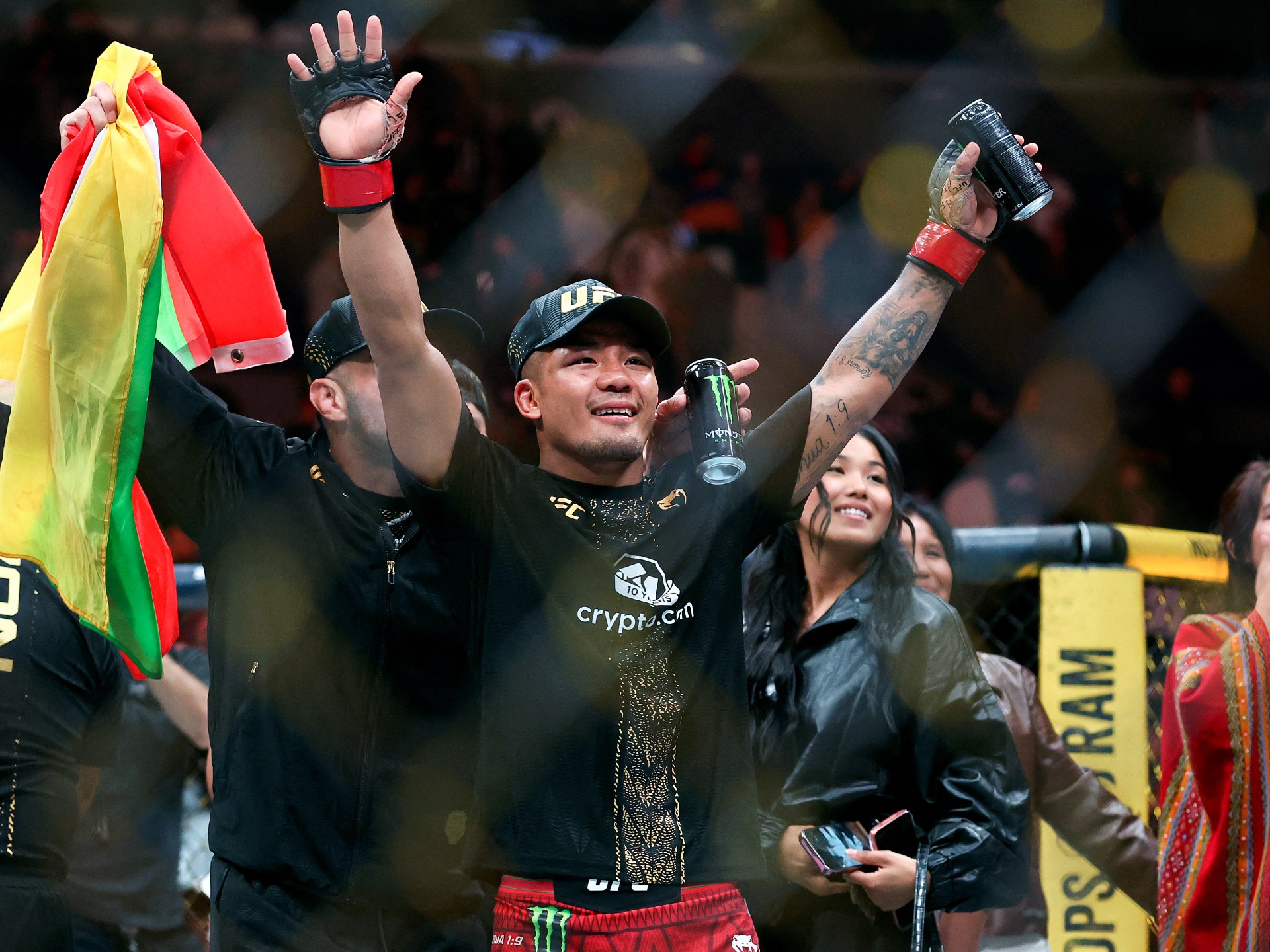
Joshua Van defended his UFC flyweight title against Brazil's Alexandre Pantoja via unanimous decision, demonstrating athletic composure while reinforcing the commercial and diplomatic influence of Southeast Asian sports on the global stage.
Geopolitical & Core Developments
In a high-stakes display of technical precision and tactical composure, Myanmar-born mixed martial artist Joshua Van successfully defended his Ultimate Fighting Championship (UFC) flyweight title at UFC 331, defeating former division champion Alexandre Pantoja of Brazil via unanimous decision. The judges scored the five-round contest 49-46, 49-47, and 50-45, cementing Van's standing at the apex of the division. The victory represents a landmark development within professional combat sports, while simultaneously serving as a visible vector of cultural and diplomatic projection for Myanmar on the international stage.
Originating from Chin State and later establishing his athletic base in the United States, Van's rapid ascent provides a narrative of individual athletic achievement against the complex backdrop of protracted socio-political challenges within his country of origin. By neutralizing Pantoja's celebrated grappling pedigree with disciplined striking, effective takedown defense, and lateral ring control, Van managed the contest across five rounds. Within the broader framework of public diplomacy, the bout underscores how elite international sports increasingly act as alternative conduits for state-adjacent visibility, diaspora mobilization, and global cultural engagement for populations navigating complex domestic realities.
Global Trade & Economic Ripples
Beyond the sporting arena, the Van-Pantoja championship clash illustrates the accelerating commercialization of global sports entertainment and its cross-border financial apparatus. Managed under the operational umbrella of TKO Group Holdings, the UFC's strategic expansion into mature and developing economies relies extensively on trans-regional title rivalries that bridge consumer bases across Latin America, North America, and the Indo-Pacific.
International media syndication, digital pay-per-view networks, and broadcast licensing agreements across Southeast Asia have experienced notable engagement spikes, reflecting the economic premium commanded by regional champions. For media conglomerates and regional advertising sponsors, Van's sustained championship reign creates commercial incentives targeting consumer demographics across urban centers in Asia. Furthermore, the commercial elevation of prominent diaspora athletes continues to support ancillary economic activities, including international sports apparel logistics, brand licensing, and private capital flows into localized training infrastructure, demonstrating the intersection between athletic properties and multinational entertainment trade.
Related Intelligence: India Education Deficit Exposes Human Capital Risks Amid Supply Chain Push
International Reactions & Diplomatic Stances
The title defense generated substantial commentary across sporting organizations, diaspora groups, and international media outlets. Technical analysts commended Van's evolutionary striking performance, highlighting his capacity to systematically dismantle one of Brazil's most accomplished champions. In Brazil, industry commentators acknowledged the changing of the guard within the flyweight hierarchy, noting the intensifying international competition emerging from non-traditional combat sports regions.
Concurrently, civic organizations and diaspora communities across Southeast Asia, North America, and Europe welcomed the result as a profound symbol of resilience and cultural visibility, viewing Van as an informal international ambassador for his community. While multilateral bodies maintain formal separation from commercial sporting enterprises, foreign affairs analysts observe that cultural achievements of this scale function as soft-power assets, generating favorable international goodwill and highlighting human capital potential originating from emerging frontier economies.
Strategic Outlook & Future Scenarios
Looking ahead, Van's successful championship defense positions him as a high-value commercial asset for global fight promotions intent on expanding market share in Asia. Market projections indicate that prospective title defenses may be targeted for major international financial and tourism hubs such as Abu Dhabi, Singapore, or Macau, where sovereign wealth vehicles and private investment groups are actively building comprehensive sports entertainment ecosystems.
Over the medium term, promotional entities are anticipated to leverage Van's profile to secure high-value regional broadcast contracts, intensifying commercial competition with regional combat sports organizations for viewership and sponsorships. Should Van sustain his trajectory, his brand equity is likely to catalyze increased capital deployment into grassroots athletic academies across the Indo-Pacific, underscoring the enduring convergence of elite athletic soft power, institutional entertainment capital, and global consumer markets.
Join Our Official WhatsApp Channel
Receive live commodity alerts, policy changes, and commercial intelligence directly on WhatsApp.