
Iran Endorses Political Dialogue in Saudi-Houthi Conflict Amid Escalating Tensions
Iran has reiterated its backing for a political resolution between Saudi Arabia and Houthi rebels, offering diplomatic mediation amid fears of energy market volatility and Gulf regional escalation.
The Core Development
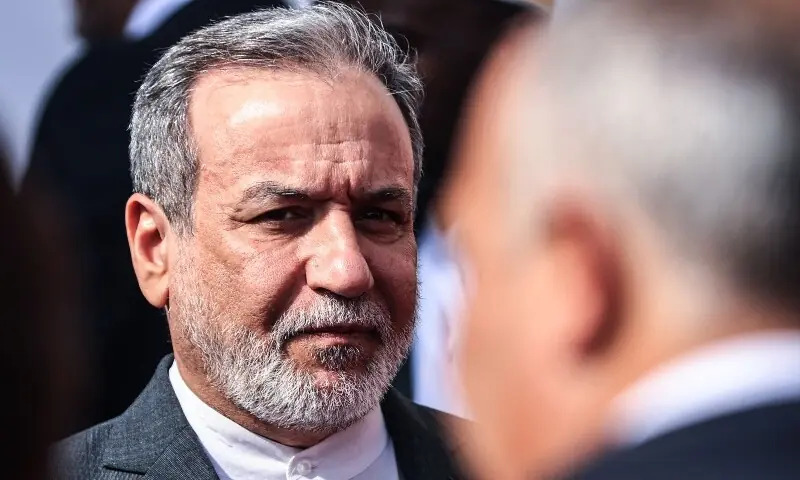
Iranian Foreign Minister Abbas Araghchi announced on Saturday that the Islamic Republic of Iran firmly endorses an inclusive political process as the primary avenue to defuse the protracted conflict between the Kingdom of Saudi Arabia and Yemen’s Houthi movement. Addressing delegates at an Organisation of Islamic Cooperation (OIC) gathering convened in Baghdad, Araghchi reaffirmed Tehran’s willingness to act as a mediating conduit, framing negotiated dialogue as the sole practical and sustainable path toward lasting stability in the Arabian Peninsula.
The diplomatic gesture arrives against a backdrop of acute regional tension. Recent cross-border operations attributed to the Houthis have repeatedly targeted critical infrastructure inside Saudi territory, including strategic energy installations and civilian aviation nodes. Most notably, a lethal strike directed at Riyadh’s international airport claimed the lives of 13 people, triggering severe international condemnation and intensifying security concerns across the Persian Gulf. While Saudi authorities and allied security observers have pointed to external technical and financial support behind the Houthis' expanding military capabilities, Iranian officials, including Foreign Ministry representatives, have formally denied operational involvement in the attacks, reiterating that Riyadh has yet to formally accept Tehran’s mediation overtures.
Commercial & Economic Implications
For Pakistan’s macroeconomic framework and commercial trading ecosystem, the trajectory of Saudi-Houthi hostilities holds profound implications. The Persian Gulf and the surrounding maritime choke points—chiefly the Bab el-Mandeb Strait and the Red Sea corridor—represent essential arteries for Pakistan’s inbound crude petroleum, liquefied natural gas (LNG), and refined petroleum products, largely sourced from Saudi Arabia and regional producers.
Renewed kinetic strikes on Saudi municipal and industrial assets inevitably inject a substantial risk premium into international benchmark crude prices. A sustained escalation threatens to disrupt bulk tanker traffic, inflating ocean freight charges, maritime war-risk insurance rates, and downstream transport tariffs. For Pakistan, which operates under constrained foreign currency reserves, any sudden uptick in energy import bills compounds imported inflation, places downward pressure on the rupee, and drives up domestic utility and fuel costs. Across local retail and wholesale distribution networks, elevated fuel prices promptly elevate interstate transport costs, squeezing commercial margins for FMCG distributors, agro-commodity traders, and manufacturing enterprises nationwide.
Related Intelligence: Violent French Protests Over Inflation Pressure European Economic Stability
Stakeholder Perspectives & Market Reactions
Financial analysts and mercantile leadership in Karachi and Lahore have monitored the Baghdad overtures with cautious circumspection. Wholesale trading federations have voiced persistent concerns regarding the fragility of Gulf supply corridors, underscoring that heightened maritime hostilities directly translate into cost-push inflation within domestic supply chains.
Independent energy specialists emphasize that while Iran’s public endorsement of a political settlement provides a diplomatic opening, durable regional security requires verifiable cessation of strikes against civilian and industrial logistics centers. Diplomatic observers note that regional normalization initiatives—facilitated in part by previous multilateral engagements—face critical tests if proxy engagements continue to undermine confidence. Within bilateral circles, Pakistani commerce stakeholders remain acutely conscious that economic stability across the Gulf Cooperation Council directly influences expatriate labor remittances, a vital fiscal lifeline supporting Pakistan’s current account balance.
Forward Outlook & Key Watchpoints
In the near term, regional stability will depend heavily on whether Riyadh opts to engage with diplomatic channels or pursues intensified defensive and retaliatory countermeasures. Key watchpoints include formal communiqués following upcoming multilateral security conferences, potential backchannel exchanges mediated by regional partners such as Iraq or Oman, and the enforcement of air defense protocols surrounding Saudi logistical nodes.
From a domestic policy perspective, Pakistani energy planners and import syndicates must closely monitor spot market pricing for crude oil and refined distillates. Importers are expected to evaluate strategic inventories and contingency routing to hedge against potential spot-market volatility. If Tehran’s diplomatic proposal fails to yield tangible de-escalation on the ground, enterprise supply chains across South Asia should prepare for protracted maritime freight friction and volatile energy pricing throughout the coming quarters.
Join Our Official WhatsApp Channel
Receive live commodity alerts, policy changes, and commercial intelligence directly on WhatsApp.