
Iran Names Ballistic Missile Technocrat Mehrdad Akhlaghi as New Defence Minister
Iran has appointed aerospace and ballistic missile technocrat Mehrdad Akhlaghi as defence minister, signaling intensified military-industrial modernization amidst heightened regional friction.
Geopolitical & Core Developments
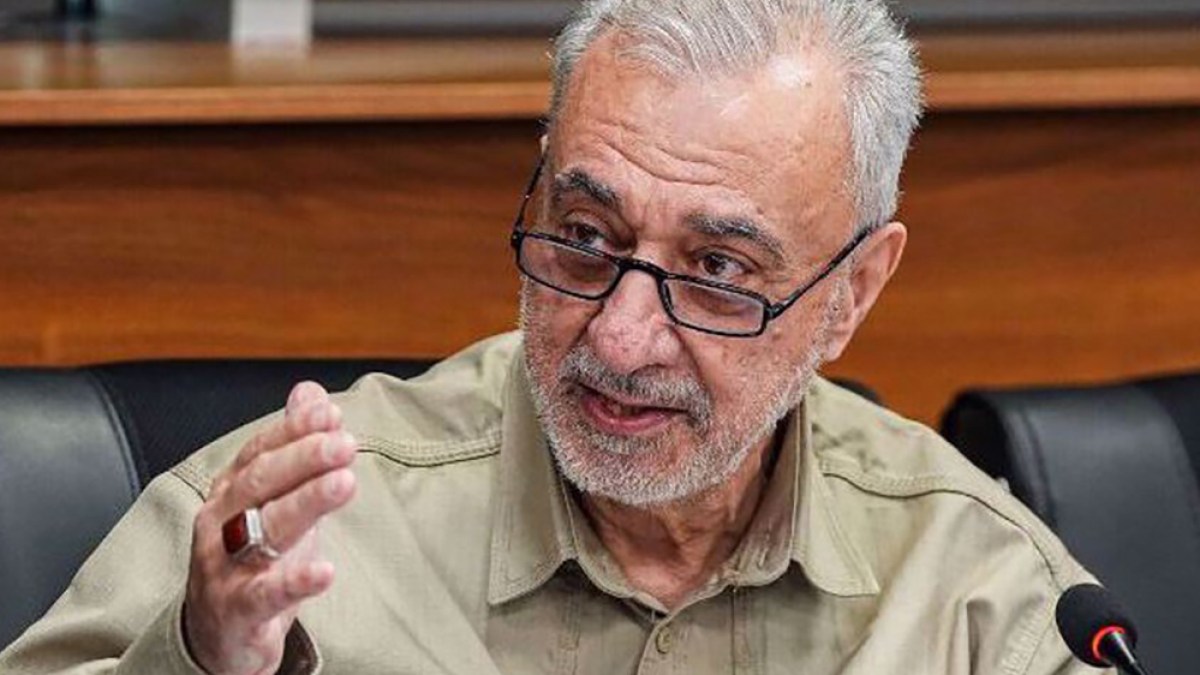
In a strategic realignment of its military leadership, the Islamic Republic of Iran has appointed Brigadier General Mehrdad Akhlaghi as its new Minister of Defence and Armed Forces Logistics. Akhlaghi’s ascension marks a deliberate shift from traditional ideological command toward specialized, high-technology defence engineering. With an extensive background in the Aerospace Industries Organization (AIO) and the Ministry of Defence’s industrial research branches, Akhlaghi has spent decades overseeing the design, testing, and mass production of Iran’s ballistic missile systems, unmanned aerial vehicles (UAVs), and solid-fuel rocket technology.
The appointment comes during an era of unprecedented volatility in the Middle East. Confrontations involving Israel, proxy groups across the Levant, and continuous maritime tensions in the Red Sea have placed Iran's deterrence doctrine under international scrutiny. By installing a technocrat whose career has focused directly on weapons precision, localized manufacturing, and electronic warfare integration, Tehran is signaling that its future deterrence relies heavily on technological modernization and high-volume industrial resilience, rather than conventional troop deployments.
Global Trade & Economic Ripples
The strategic appointment of an aerospace specialist to head Iran's defence apparatus introduces tangible friction into international commodity markets and shipping logistics. The Persian Gulf and the Strait of Hormuz remain crucial chokepoints through which roughly twenty percent of the world’s petroleum and liquefied natural gas (LNG) pass. Markets view Akhlaghi's elevation as an indicator of enhanced anti-access and area-denial (A2/AD) capabilities, raising risk premiums for maritime insurers operating in the Gulf of Oman and Bab el-Mandeb.
Beyond direct shipping lanes, energy markets are factoring in the structural risk of intensified sanctions targeting dual-use industrial components, carbon fiber, and microelectronics heading to Iran. The potential tightening of secondary sanctions by the United States and European allies could disrupt third-party logistics firms operating in the United Arab Emirates, Turkey, and Central Asia. In addition, the expansion of Iran’s military manufacturing ecosystem continues to influence global defence supply chains, specifically regarding the flow of Iranian Shahed-series loitering munitions and missile technologies to foreign buyers, which has reshaped black-market microchip procurement and illicit maritime trading networks.
Related Intelligence: Mass Funeral in Gaza Deepens Regional Tensions and Supply Chain Risks
International Reactions & Diplomatic Stances
Western capitals have viewed Akhlaghi’s selection with pronounced concern. Officials in Washington, alongside European signatories to the defunct Joint Comprehensive Plan of Action (JCPOA), have characterized the promotion of an aerospace engineer as proof of Tehran's unwavering commitment to expanding its missile footprint beyond defensive thresholds. The European Union is reportedly examining new punitive designations against entities connected to Akhlaghi’s previous executive postings within Iran’s defence conglomerates.
Regional responses remain bifurcated. Gulf Cooperation Council (GCC) states have maintained careful diplomatic engagement with Tehran, yet defence procurement officials across Riyadh and Abu Dhabi are expected to accelerate investments in layered integrated air and missile defence (IAMD) systems, including Patriot and THAAD batteries. Meanwhile, Moscow and Beijing have framed the transition within routine sovereign governance, with Russian state media highlighting prospects for deepened bilateral defence-industrial exchanges, particularly in aeronautics, satellite deployment, and joint radar technologies.
Strategic Outlook & Future Scenarios
The near-term trajectory points toward an acceleration of Iran's domestic military output under Akhlaghi's leadership. Analysts expect an emphasis on advancing the maneuverability of hypersonic-capable warheads, enhancing satellite-launch vehicle (SLV) capabilities, and hardened subsurface launch installations. This modernization push will likely run parallel to heightened covert activity, as Western intelligence services intensify efforts to disrupt procurement pipelines providing guidance systems and specialized alloys.
Should diplomatic channels regarding Iran's nuclear and ballistic programs remain stalled, Akhlaghi’s tenure will almost certainly serve as the operational bedrock for Tehran's asymmetric leverage. The primary escalation trigger remains the potential transfer of advanced tactical ballistic systems to regional proxies or extra-regional partners, a scenario that would invite swift multilateral sanctions, elevate crude oil volatility, and reinforce the militarization of critical Eurasian and Middle Eastern trade arteries.
Join Our Official WhatsApp Channel
Receive live commodity alerts, policy changes, and commercial intelligence directly on WhatsApp.