
Escalating Yemen Clashes Threaten Fragile Truce and Red Sea Security
Intensifying military clashes between Yemeni government forces and Houthi rebels have caused significant casualties, compounding a catastrophic humanitarian crisis and threatening regional maritime security corridors.
Geopolitical & Core Developments
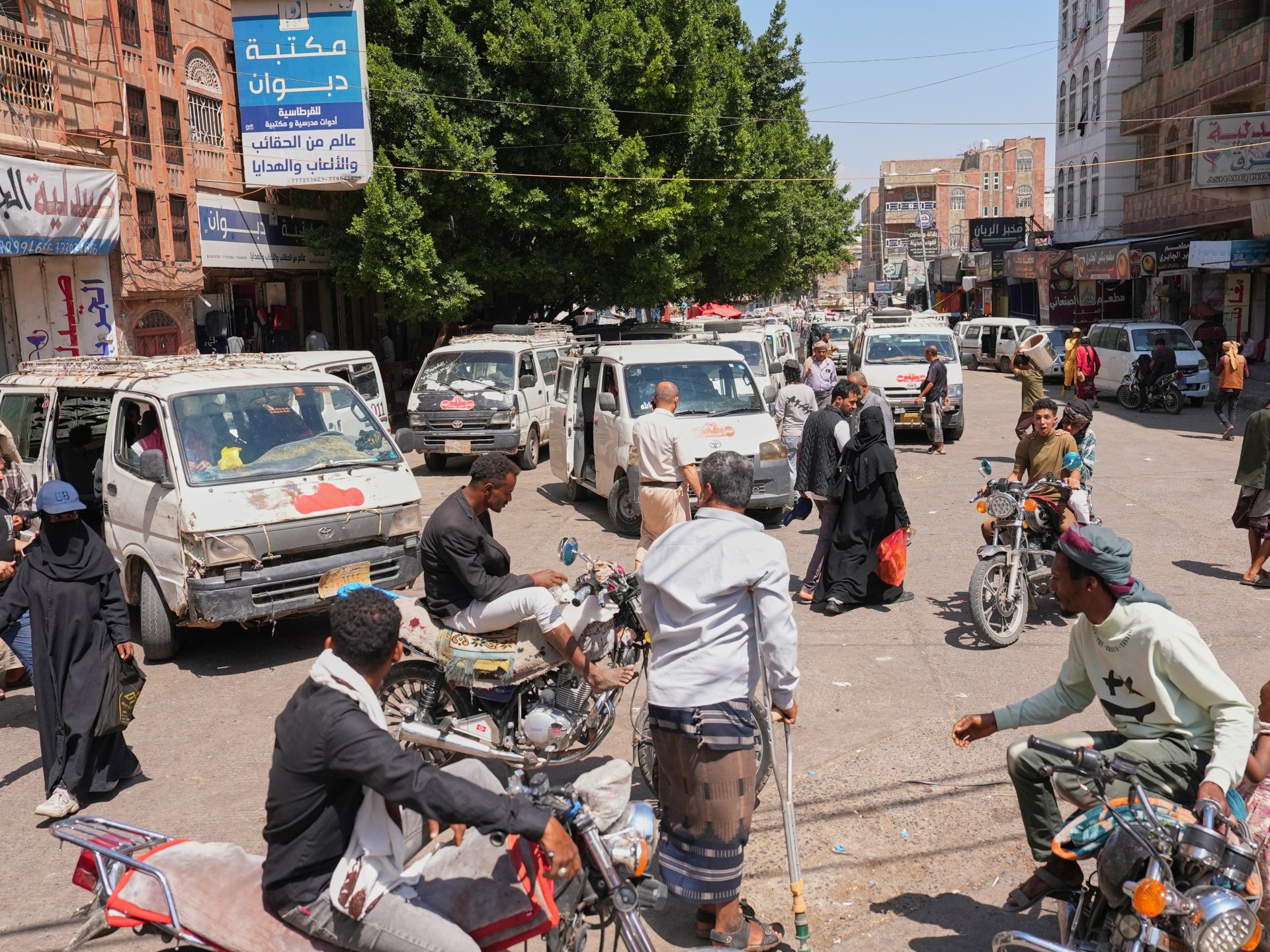
Military confrontation across Yemen has escalated sharply over the past seventy-two hours, breaking months of relative operational lull and imperiling long-standing diplomatic efforts to formalize a permanent ceasefire. Intense clashes between forces loyal to the internationally recognized Presidential Leadership Council (PLC) and the Ansar Allah movement, commonly known as the Houthis, erupted along contested axes in the resource-rich Marib governorate, the fractured city of Taiz, and strategic borderlines in al-Dhalea. Both factions have reported significant military casualties and tactical artillery exchanges, signaling an erosion of the de facto truce that had largely suppressed large-scale offensive operations since mid-2022.
The timing of this military flare-up coincides with complex regional friction throughout the wider Middle East. The Sanaa-based Houthi leadership has leveraged asymmetric regional leverage, coupling domestic military positioning with their campaign against commercial shipping corridors. Concurrently, international humanitarian organizations, including the United Nations Office for the Coordination of Humanitarian Affairs (OCHA), warn that the uptick in ground combat directly threatens vulnerable civilian populations already experiencing unprecedented food insecurity, healthcare collapse, and critical aid shortfalls.
[Global Trade](/news/us-political-realignment-shifts-global-trade-diplomatic-calculus) & Economic Ripples
The renewed domestic confrontation bears immediate implications for global maritime corridors and international energy markets. Yemen directly borders the Bab al-Mandab Strait, an essential chokepoint handling roughly 12 percent of global seaborne trade and millions of barrels of crude oil daily. Continued volatility in mainland Yemen dampens any commercial prospects for normalizing shipping routes via the Suez Canal, forcing container carriers and bulk commodity operators to sustain lengthy and cost-intensive detours around the Cape of Good Hope.
This structural diversion continues to inject friction into global supply chains, elevating bunker fuel consumption, commercial charter rates, and maritime war-risk insurance premiums across European and Asian freight lanes. For global commodity merchants, extended logistics delays add cost layers to agricultural shipments, fertilizers, and refined petroleum products. Furthermore, persistent fighting around Marib risks infrastructure damage to domestic oil and natural gas production blocks, eliminating potential stabilization in regional domestic fuel availability and worsening the fiscal deficit of the sovereign Yemeni banking system in Aden.
Related Intelligence: Sudan Civil War Triggers Severe Healthcare Collapse and Supply Chain Crisis
International Reactions & Diplomatic Stances
Multilateral bodies and major global powers have expressed deep concern over the deterioration of stability. The United Nations Special Envoy for Yemen, Hans Grundberg, emphasized that the escalation jeopardizes protracted backchannel mediation sponsored by the Sultanate of Oman and the Kingdom of Saudi Arabia. In official briefings to the UN Security Council, representatives urged both the PLC and Houthi leaders to halt unilateral military expansions and return to structured roadmap discussions focused on sovereign revenue sharing, public sector payrolls, and port access.
Western capitals, including Washington and London, reaffirmed their support for the PLC while condemning offensive maneuvers that destabilize commercial waters and compromise humanitarian delivery routes. Conversely, regional observers note that the diplomatic track remains severely constrained by broader regional proxy dynamics, with multilateral funding appeals for Yemen remaining less than forty percent funded for the current fiscal year.
Strategic Outlook & Future Scenarios
The trajectory of the Yemeni theater over the coming quarters hinges on whether current clashes represent localized tactical maneuvering or the prelude to a comprehensive offensive targeting vital hydrocarbon infrastructure in Marib and Shabwa. Should Houthi forces attempt a decisive push to seize Marib's oil and gas fields, Saudi-backed defensive operations are likely to intensify, potentially triggering wider retaliatory strikes across the Arabian Peninsula.
In the absence of a breakthrough diplomatic compromise, the baseline scenario points toward a protracted war of attrition accompanied by deteriorating macroeconomic stability within Yemen itself, notably severe currency depreciation in government-held territories. For international businesses, global shippers, and commodity traders, prolonged military instability across southwestern Yemen solidifies elevated transit risk parameters across the southern Red Sea corridor, entrenching higher logistics overheads into mid-2025.
Join Our Official WhatsApp Channel
Receive live commodity alerts, policy changes, and commercial intelligence directly on WhatsApp.