
French Political Crisis Deepens Amid Rising Civil Unrest and Socioeconomic Grievances
Escalating civil unrest in France has galvanized around systemic socioeconomic frustrations, raising market concerns over structural fiscal reforms and political instability across the Eurozone.
Geopolitical & Core Developments
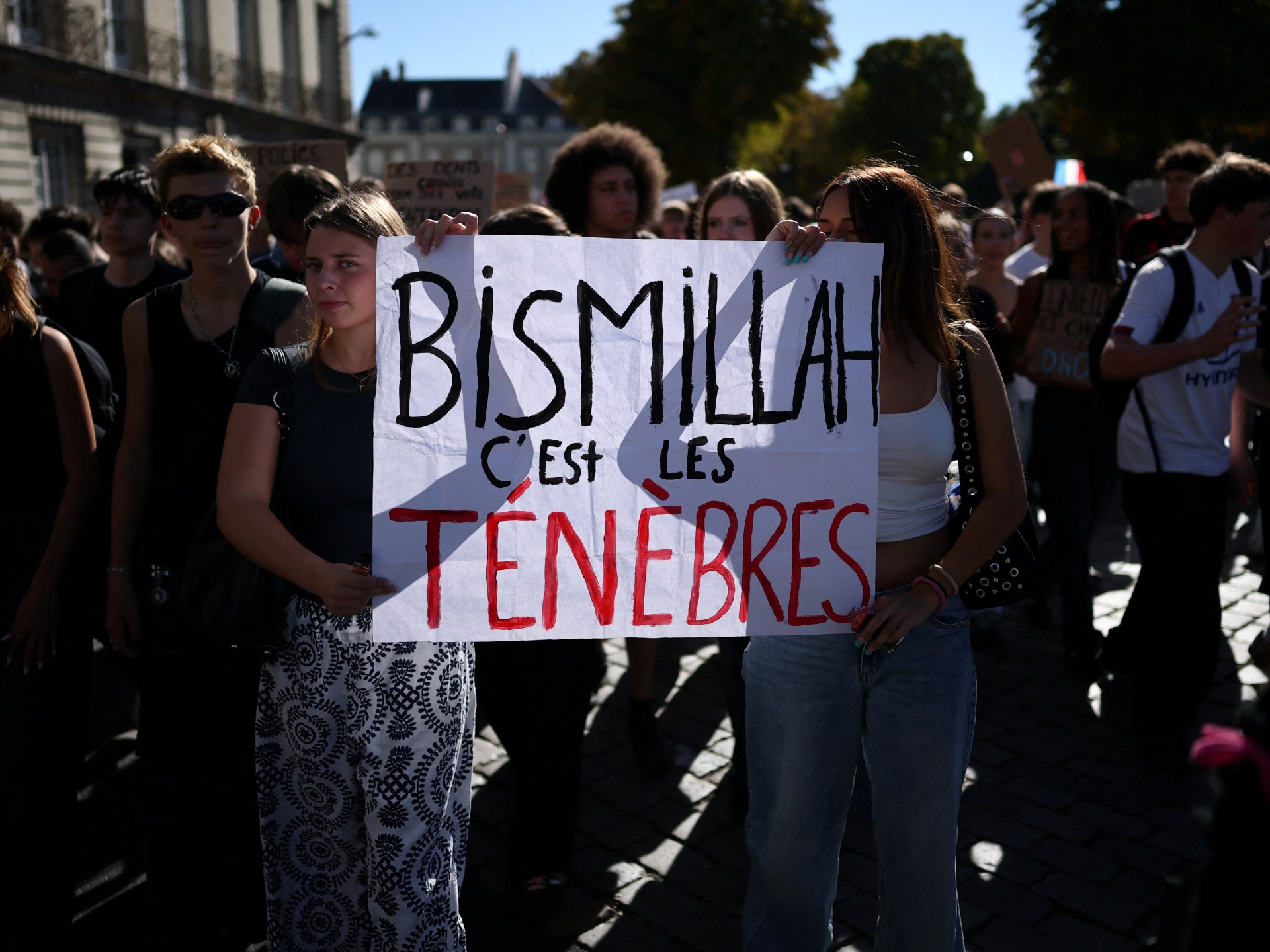
France is experiencing an intensification of domestic civil friction as public demonstrations broaden beyond initial localized disputes into an expansive repudiation of executive economic policy. The emergence of hybrid cultural and political slogans—such as the widely reported refrain 'Bismillah, c’est les ténèbres'—reflects a complex confluence of marginalized youth discontent, suburban alienation, and organized labor opposition. Originating in contemporary youth culture, the phrase has been co-opted across urban marches to symbolize what demonstrators characterize as institutional neglect, economic disenfranchisement, and an increasingly opaque governance structure under the current administration.
The timeline of these protests reveals a steady progression from sporadic municipal labor actions to nationwide mobilizations coordinated across major urban centers, including Paris, Marseille, and Lyon. At the center of the dispute are controversial budgetary adjustments, pension revisions, and austerity measures executed through special constitutional mechanisms. The strategic stakes for the French government are elevated; prolonged civil resistance threatens the administration's capacity to advance broader European Union policy agendas, particularly regarding fiscal integration and coordinated defense expenditures.
[Global Trade](/news/us-midterm-elections-geopolitical-impact-global-trade) & Economic Ripples
The ongoing social friction is generating measurable friction across European commercial corridors and financial markets. Sustained strike actions targeting rail networks, primary transit arteries, and maritime terminals have introduced operational bottlenecks across Western European supply chains. Industrial freight between France, Germany, and the Iberian Peninsula has suffered intermittent delays, raising logistical costs for automotive and agricultural exporters.
In the capital markets, international investors have demonstrated growing caution toward French sovereign debt. The yield spread between French 10-year OATs (Obligations Assimilables du Trésor) and German Bunds has widened, reflecting apprehension regarding the state’s fiscal trajectory and debt-servicing predictability. While European wholesale energy markets have avoided acute supply deficits, sporadic walkouts at domestic refining facilities and nuclear generation maintenance sites periodically elevate regional power price volatility. Furthermore, prolonged disruptions to retail foot traffic and metropolitan transport networks threaten quarterly domestic service-sector output, exerting downward pressure on broader Eurozone growth forecasts.
Related Intelligence: Paris Unrest Inflicts Heavy Losses on Retail and Urban Economy
International Reactions & Diplomatic Stances
Diplomatic observers and multilateral institutions have monitored the developments with measured concern. While the European Commission has formally classified the unrest as an internal civil matter, senior officials in Brussels have quietly emphasized the imperative of maintaining fiscal discipline within the parameters of the EU Stability and Growth Pact. The International Monetary Fund (IMF) has reiterated the importance of structural reforms to ensure long-term public debt sustainability, albeit warning that sustained domestic volatility can dampen cross-border direct investment inflows.
Credit rating agencies have noted the sociopolitical gridlock as an impediment to fiscal consolidation. Analysts from major European financial institutions indicate that governance fragility restricts the executive’s leeway to absorb macroeconomic shocks, effectively limiting legislative momentum on collaborative EU industrial strategies. Meanwhile, international trading partners have advised freight operators and commercial logistics providers to build contingencies around French transportation hubs.
Strategic Outlook & Future Scenarios
The short- to medium-term trajectory of the crisis hinges on the executive branch’s willingness to re-engage institutional trade unions and municipal stakeholders in substantive dialogue. Three primary scenarios present themselves: a recalibration of targeted social spending accompanied by concessions to public-sector workers, persistent parliamentary and street-level attrition leading to legislative deadlock, or the dissolution of parliament to reset the political mandate.
Should the current impasse persist without structured consensus, cross-asset volatility in French equities and sovereign paper is expected to endure through upcoming quarterly reporting cycles. The broader geopolitical consequence entails a diminished French leadership posture within European Union policymaking circles, particularly regarding joint industrial subsidies and energy security frameworks. Observers are closely watching subsequent bilateral meetings in Berlin and Brussels, where French representatives must balance internal structural friction against collective European economic commitments.
Join Our Official WhatsApp Channel
Receive live commodity alerts, policy changes, and commercial intelligence directly on WhatsApp.