
Intelligence War Shifts as Houthi Red Sea Network Faces Systematic Degradation
Targeted strikes and electronic countermeasures are dismantling the Russian-Iranian intelligence apparatus that previously fueled Houthi offensives across the vital Red Sea corridor.
Geopolitical & Core Developments
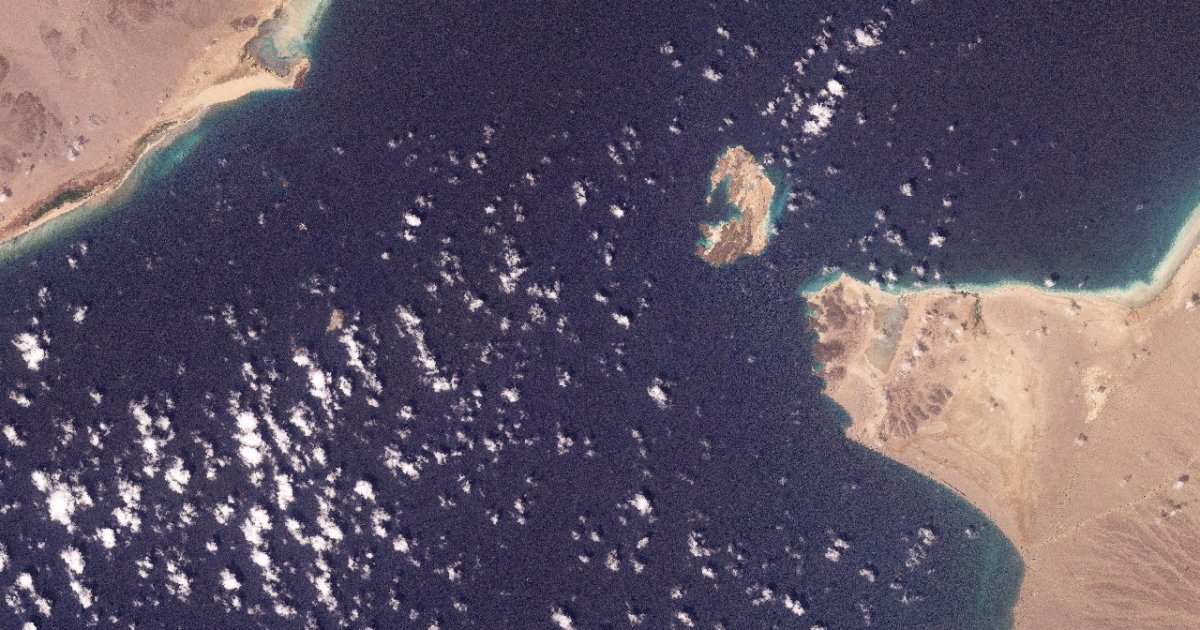
The strategic balance of power across the Bab el-Mandeb strait and the broader Red Sea theater is undergoing a profound structural shift. For months, coordinated intelligence support originating from Russian and Iranian state actors provided Yemen's Houthi movement with critical targeting data, enhancing their anti-ship missile and drone campaigns against international commercial shipping. This clandestine architecture allowed insurgent forces to project power far beyond their territorial confines, transforming a localized civil conflict into a major flashpoint for global maritime security.
However, recent military intelligence operations and targeted kinetic strikes have begun to dismantle this sophisticated surveillance and reconnaissance grid. Western and allied intelligence agencies have intensified electronic warfare measures, intercepting communication nodes and neutralizing advanced sensor stations along the Yemeni coastline. The degradation of this intelligence-sharing apparatus marks a critical turning point in the asymmetric naval conflict, directly impairing the Houthis' ability to execute precision strikes against moving targets in one of the world's busiest maritime arteries.
Global Trade & Economic Ripples
The systematic targeting of the Houthi intelligence network carries profound implications for global supply chains, energy markets, and commodity pricing. The Red Sea corridor handles approximately twelve percent of global trade, serving as the indispensable maritime highway connecting Asia to Europe via the Suez Canal. Prolonged disruption along this route has forced major container shipping lines and energy conglomerates to reroute vessels around the Cape of Good Hope, adding thousands of nautical miles and up to two weeks of transit time per voyage.
This enforced detour has triggered sustained upward pressure on freight rates, marine insurance premiums, and bunker fuel costs. Importers and exporters across manufacturing, agriculture, and energy sectors continue to absorb these elevated overheads, passing marginal cost increases onto end consumers against a backdrop of fragile global economic growth. Furthermore, liquefied natural gas (LNG) and crude oil shipments traversing the corridor remain subject to heightened risk premiums, directly influencing spot market pricing and regional energy security across Mediterranean and Northern European economies.
Related Intelligence: Ethiopia Faces Renewal of Civil Conflict as Tigray Fighting Erupts
International Reactions & Diplomatic Stances
Multilateral bodies and key trading nations have welcomed the disruption of hostile intelligence networks operating in the region, while emphasizing the necessity of sustained diplomatic and military engagement. The United Nations Security Council has repeatedly condemned attacks on international navigation, reiterating that commercial vessels exercising freedom of navigation under international law must be protected from unlawful interference.
Regional diplomatic efforts, led by Gulf Cooperation Council member states alongside Western partners, focus on establishing permanent deterrence frameworks. Market analysts note that while tactical degradation of insurgent capabilities provides temporary relief to maritime operators, long-term stability requires addressing the underlying geopolitical rivalries and proxy dynamics fueling the conflict. Defense officials underscore that naval task forces deployed under operations such as Prosperity Guardian will maintain an active posture until a verifiable, enduring cessation of hostilities is secured.
Strategic Outlook & Future Scenarios
As the intelligence war turns against the Houthi movement, the trajectory of the Red Sea crisis hinges on the adaptability of insurgent networks and the resolve of international coalitions. Intelligence analysts warn that diminished technical capabilities may prompt the Houthis to diversify their tactics, potentially increasing reliance on decentralized local networks or pursuing alternative asymmetric vectors.
Upcoming diplomatic summits and maritime security conferences will likely focus on closing surveillance gaps and enhancing intelligence integration among allied nations. Sanctions enforcement targeting front companies and illicit financial channels supporting proxy logistics will also intensify. Ultimately, safeguarding global commodity trade depends on neutralizing state-backed intelligence proliferation and re-establishing unhindered passage through this critical geopolitical chokepoint.
Join Our Official WhatsApp Channel
Receive live commodity alerts, policy changes, and commercial intelligence directly on WhatsApp.