
Ethiopia Faces Renewal of Civil Conflict as Tigray Fighting Erupts
Renewed armed conflict in Ethiopia's Tigray region, driven by a new coalition of seven anti-government factions, threatens national stability and vital regional trade routes.
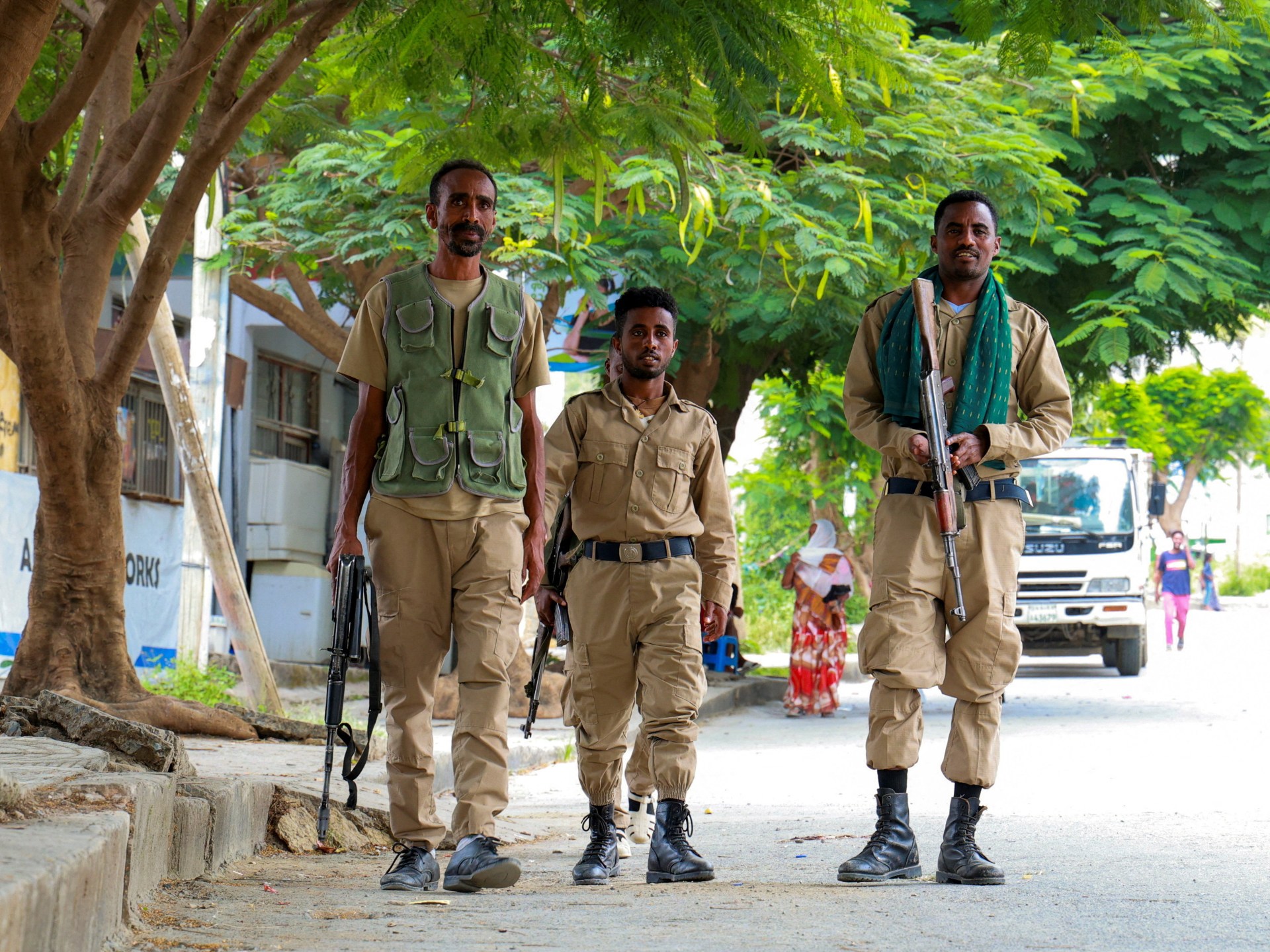
Geopolitical & Core Developments
Tensions in the Horn of Africa have escalated sharply following the eruption of fresh combat in Ethiopia's northern Tigray region. The security landscape has deteriorated significantly as seven distinct armed factions formally joined forces in a unified alliance against the federal government led by Prime Minister Abiy Ahmed. This coalition brings together former adversaries who have set aside historic animosities to challenge central state authority, dramatically increasing the complexity of the armed opposition.
The resurgence of violence shatters fragile peace frameworks established in the wake of the devastating two-year conflict that officially concluded with the Pretoria Agreement. State actors and regional observers note that the breakdown of these diplomatic accords stems from unresolved grievances regarding territorial administration, demobilization terms, and political representation. As federal forces mobilize to contain the insurgent coalition, strategic urban centers and transport arteries are facing imminent security threats, raising the specter of a prolonged, multi-front war that could fracture the Ethiopian state.
Global Trade & Economic Ripples
The escalation in Ethiopia carries profound implications for global trade and regional economic stability. As Africa's second-most populous nation and a vital anchor economy in East Africa, prolonged internal conflict threatens critical transport corridors linking landlocked Ethiopia to the strategic ports of Djibouti. Any sustained disruption to these primary logistics arteries directly impacts the flow of agricultural exports, particularly coffee and oilseeds, driving up international commodity pricing and complicating supply chain forecasting for multinational logistics operators.
Furthermore, the renewed hostilities exert severe downward pressure on the Ethiopian birr, exacerbating foreign exchange shortages and compounding inflationary pressures within domestic markets. International investors are adopting an increasingly risk-averse posture, pausing foreign direct investment initiatives and reassessing regional exposure. Energy markets are also monitoring the situation closely, mindful that heightened geopolitical instability in the wider Red Sea and Horn of Africa corridor introduces systemic risks to maritime trade and regional energy infrastructure.
Related Intelligence: DI Khan Suicide Blast Claims 12 Lives, Threatens Regional Trade Corridors
International Reactions & Diplomatic Stances
The international community has expressed profound alarm over the deteriorating security situation in Ethiopia. United Nations officials have issued urgent appeals for an immediate cessation of hostilities, warning of an impending humanitarian catastrophe that could trigger mass displacement across international borders. Multilateral bodies, including the African Union, are intensifying behind-the-scenes diplomatic efforts to salvage what remains of the Pretoria framework and pressure belligerents back to the negotiating table.
Western governments and key regional trade partners have reiterated calls for inclusive political dialogue, cautioning that continued military escalation will draw severe diplomatic consequences. Market analysts and risk intelligence agencies note that bilateral aid disbursements and debt restructuring talks under the G20 Common Framework remain highly vulnerable to suspension if the federal government prioritizes military solutions over negotiated settlements, further isolating the nation from vital international financial support.
Strategic Outlook & Future Scenarios
The trajectory of the conflict remains dangerously unpredictable, with multiple escalation pathways threatening regional security. In the short term, military analysts anticipate intensified clashes across Tigray and neighboring provinces as the newly formed coalition tests federal defensive lines. Unless emergency mediation efforts succeed in establishing humanitarian corridors and a credible ceasefire, the conflict risks drawing in external regional actors, transforming a domestic insurrection into a wider geopolitical crisis.
Upcoming diplomatic summits hosted by the African Union will serve as critical litmus tests for the international community's capacity to enforce regional stability. Failure to de-escalate tensions could trigger targeted economic sanctions and travel restrictions against leadership elements on all sides, compounding the economic isolation of a nation crucial to East African commerce.
Join Our Official WhatsApp Channel
Receive live commodity alerts, policy changes, and commercial intelligence directly on WhatsApp.