
Huckabee Attributes Waning US Support for Israel to Biblical Illiteracy
Former US Governor Mike Huckabee attributes declining American support for Israel to widespread biblical illiteracy, highlighting a deepening cultural divide that could impact long-term geopolitical alliances and bilateral trade frameworks.
Geopolitical & Core Developments
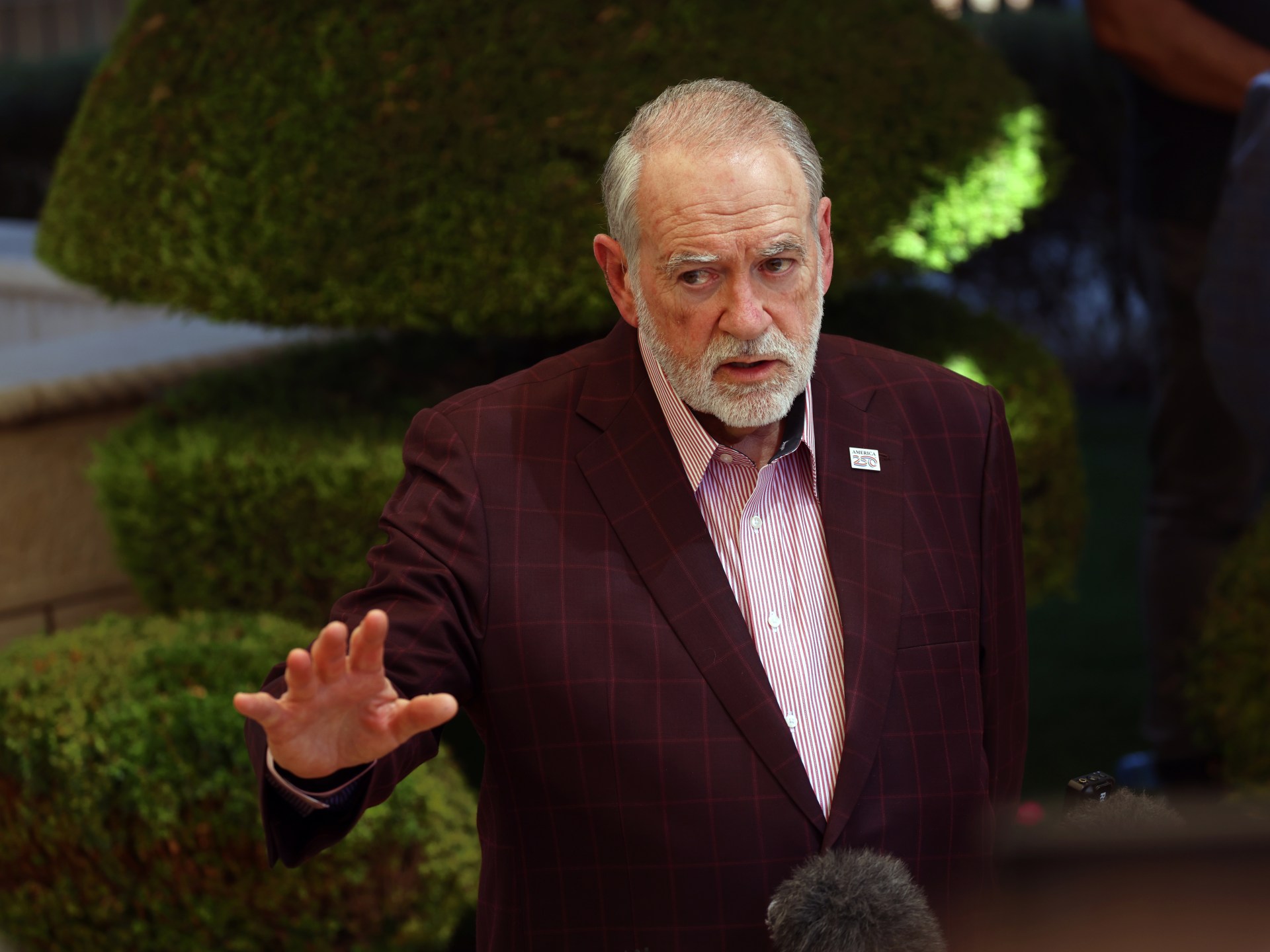
The enduring strategic alliance between the United States and Israel faces an unprecedented domestic public opinion challenge, underscored by a Pew Research poll published in April which indicated that 60 percent of the US adult population held an unfavourable view of Israel. Former Arkansas Governor Mike Huckabee addressed this shifting demographic sentiment during a recent public address, attributing the erosion of traditional backing to widespread 'biblical illiteracy' and a generational disconnect from foundational historical narratives. Huckabee argued that the progressive detachment from religious and historical frameworks among younger American cohorts has directly contributed to waning empathy for the Israeli state amidst protracted regional conflicts. This ideological divergence threatens to reshape the bipartisan consensus that has anchored Washington's Middle East foreign policy for decades, forcing diplomats and state actors to reassess how cultural narratives influence strategic international partnerships.
Global Trade & Economic Ripples
While shifts in public sentiment are fundamentally cultural and political, their downstream effects carry profound implications for international trade, defense manufacturing, and global commodity markets. The United States and Israel share extensive bilateral trade agreements, particularly in high-technology sectors, cybersecurity, and aerospace engineering. Any sustained political friction or legislative hesitation regarding foreign military financing could introduce volatility into defense supply chains and multinational corporate investments. Furthermore, protracted instability in the Middle East directly influences global energy benchmarks, maritime shipping insurance premiums through critical chokepoints like the Red Sea, and investor confidence across emerging markets. Commodity traders are increasingly monitoring how domestic American political debates translate into legislative measures that could impact sanctions enforcement, technology export controls, and broader commercial integration across the Levant.
Related Intelligence: Gaza Housing Crisis Deepens Amid Protracted Conflict and Regional Instability
International Reactions & Diplomatic Stances
The intersection of domestic American culture wars and foreign policy has drawn sharp commentary from international bodies, multilateral organizations, and regional analysts. While official diplomatic channels in Washington and Jerusalem maintain robust cooperation, foreign ministries across Europe and the Middle East are recalibrating their strategic calculations based on the shifting US electorate. Multilateral monitors note that polarization within the United States complicates efforts to broker durable ceasefires and long-term peace frameworks. Market analysts observing the geopolitical landscape emphasize that international trade relations are increasingly vulnerable to domestic political volatility, as shifting public opinion metrics in major donor nations dictate the longevity and scope of foreign aid commitments and trade preferential agreements.
Strategic Outlook & Future Scenarios
Looking toward the medium and long term, the trajectory of US-Israel relations will likely depend on how political leadership addresses the generational divide in public perception highlighted by the recent polling data. Upcoming legislative sessions, upcoming electoral cycles, and potential shifts in congressional leadership will serve as crucial barometers for future foreign assistance packages and joint defense initiatives. Should current polling trends solidify into permanent political realignments, defense contractors, energy conglomerates, and international shipping firms must prepare for a more unpredictable regulatory and geopolitical environment. Policymakers face the dual challenge of managing immediate crisis management in the Middle East while addressing the deeper cultural and educational divides influencing public support for key global allies.
Join Our Official WhatsApp Channel
Receive live commodity alerts, policy changes, and commercial intelligence directly on WhatsApp.