
Indian Opposition Marches to Supreme Court Demanding Election Chief Resignation
Indian opposition leaders marched to the Supreme Court demanding the Chief Election Commissioner resign amid escalating political friction and mass detentions in New Delhi.
Geopolitical & Core Developments
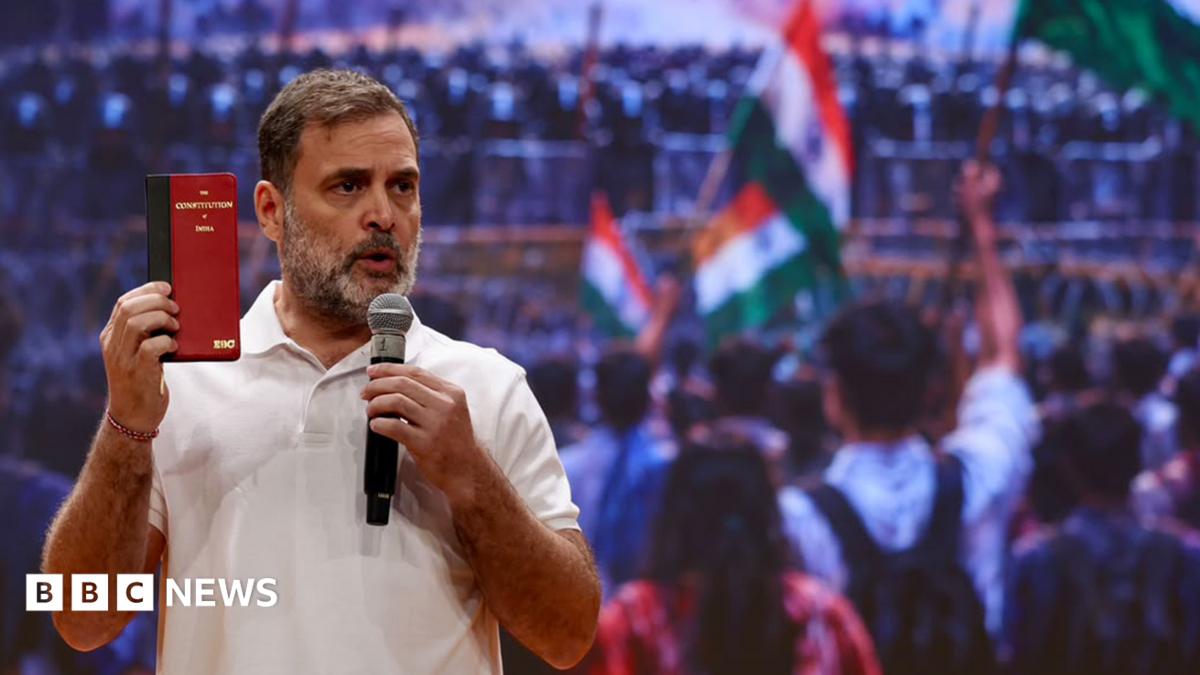
Tensions reached a boiling point in New Delhi as senior leaders from India's broad opposition alliance staged a high-profile march toward the Supreme Court of India, demanding the immediate resignation of the Chief Election Commissioner. The march follows a weekend marked by civil unrest in the national capital, during which law enforcement authorities detained thousands of political workers, civil society activists, and demonstrators under preventive public order statutes.
The standoff represents an intensification of an ongoing institutional conflict between Prime Minister Narendra Modi's ruling Bharatiya Janata Party (BJP) and the unified opposition bloc. The opposition argues that the Election Commission of India (ECI), an autonomous constitutional authority designed to administer federal and state ballots impartially, has suffered structural erosion. Allegations include selective enforcement of campaign finance rules, disputed voter-roll purges, and the contentious scheduling of regional legislative elections.
Police cordoned off key thoroughfares leading to the Supreme Court complex, halting lawmakers before they reached the judicial gates. Despite the barricades, opposition leaders submitted formal memorandums to court registrars, requesting judicial intervention to safeguard democratic procedures and mandate an independent audit of recent electoral protocols.
Global Trade & Economic Ripples
While India's sovereign bond yields and headline equity indices—such as the BSE Sensex and NSE Nifty 50—remained stable in early trade, sustained domestic political confrontation carries material implications for international market sentiment. India has positioned itself as the preeminent alternative manufacturing hub to China under the global "China+1" supply chain diversification strategy, drawing multi-billion-dollar commitments in electronics, textiles, and renewable infrastructure.
Institutional investors monitor regulatory predictability and governance integrity as central components of sovereign risk metrics. Prolonged institutional friction between the executive, judiciary, and independent watchdogs risks heightening perceived policy volatility. Furthermore, if public sector protests disrupt domestic logistics networks or trigger broader labor demonstrations, localized freight bottlenecks could affect inland freight corridors and container movements at major maritime gateways such as Nhava Sheva and Mundra.
Currency markets remain attuned to capital movement trends. Increased political polarization has historically prompted foreign institutional investors (FIIs) to temporarily trim net long positions in emerging market equities, exerting mild depreciation pressure on the Indian rupee against the US dollar and raising imported energy costs for crude oil and liquefied natural gas.
International Reactions & Diplomatic Stances
International observers, credit rating agencies, and diplomatic missions in New Delhi are closely tracking the institutional dispute. While foreign governments typically refrain from commenting on the internal procedural administration of Indian elections, Western capitals view India's democratic resilience as a foundational pillar of the Quadrilateral Security Dialogue (Quad) and Indo-Pacific economic frameworks.
Global governance analysts have pointed out that public faith in institutional neutrality is vital for India's multilateral leadership. Civil liberties watchdogs and election monitoring organizations abroad have urged the administration to guarantee unrestricted freedom of assembly and ensure that the constitutional dispute receives a transparent hearing before the Supreme Court.
Spokespersons for the ruling administration categorically dismissed the opposition's march as an attempt to undermine public confidence in democratic outcomes following consecutive electoral defeats. The Election Commission maintained that its operational frameworks adhere strictly to statutory guidelines, dismissing allegations of partisan conduct as unfounded.
Strategic Outlook & Future Scenarios
The immediate trajectory of this dispute hinges on the Supreme Court's disposition regarding the petitions filed by opposition leaders. Should the apex court agree to hear the matter under an expedited constitutional bench, it may mandate additional transparency protocols for upcoming state elections, temporarily defusing street-level demonstrations.
Conversely, if judicial intervention is declined or deferred, opposition factions are expected to escalate nationwide protests, potentially leveraging parliamentary debate sessions to disrupt legislative agendas. For multinational enterprises operating in India, the current environment necessitates contingency planning around localized infrastructure disruptions, while global investors will evaluate whether institutional headwinds threaten the pace of fiscal and regulatory reforms over the medium term.
Join Our Official WhatsApp Channel
Receive live commodity alerts, policy changes, and commercial intelligence directly on WhatsApp.