
Protests in New Delhi Escalate Amid Growing Scrutiny Over Electoral Governance
Renewed street protests in New Delhi challenging India's election leadership have introduced fresh political volatility, drawing attention from international observers and emerging market investors.
Geopolitical & Core Developments
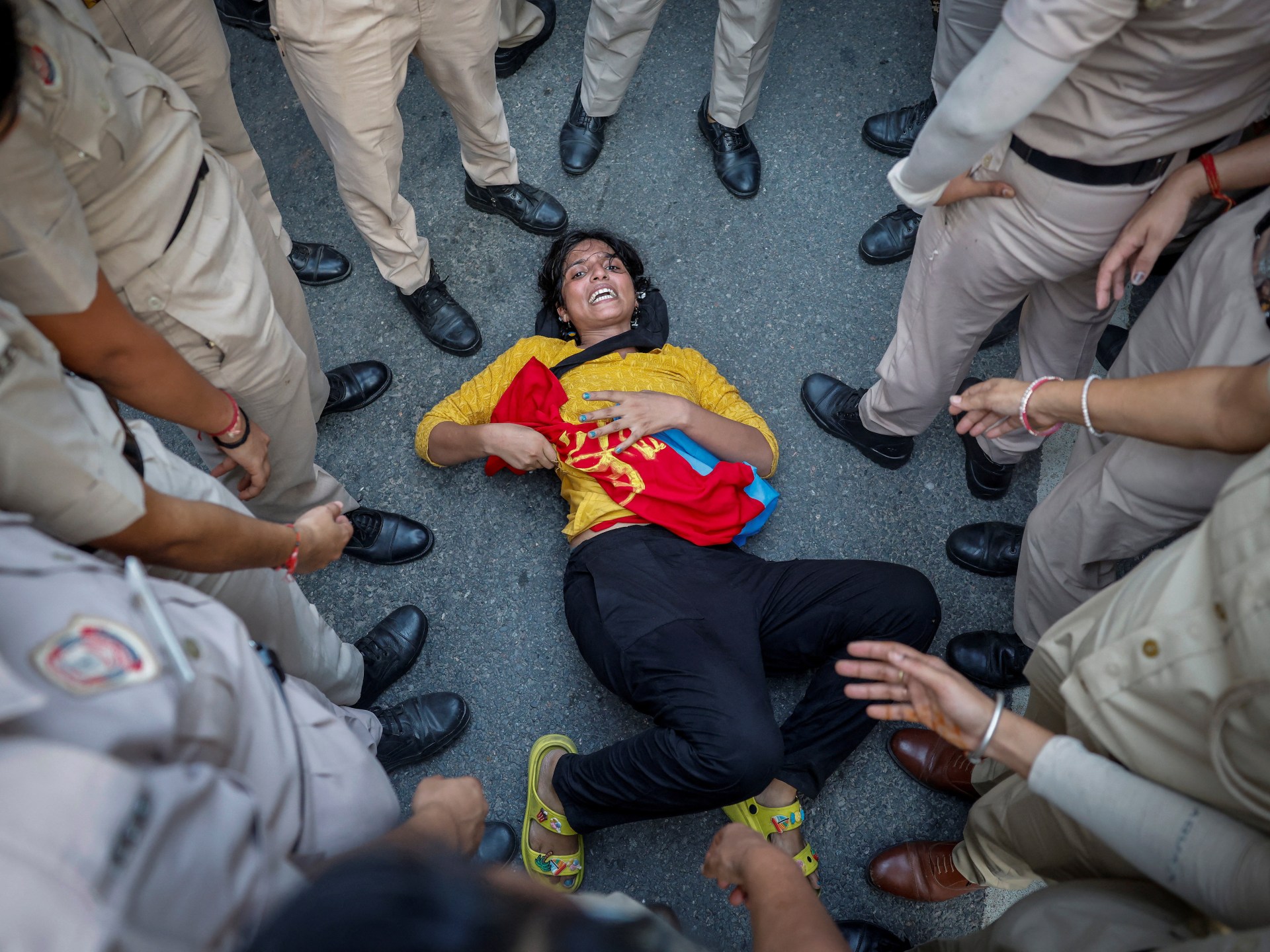
New Delhi witnessed renewed civic turbulence this week as a coalition of opposition parties, civil society organizations, and student movements initiated synchronized flash marches across the National Capital Territory. Demonstrators converged on key administrative corridors to voice escalating dissent against the leadership of the Election Commission of India, alleging partisan overreach and institutional erosion ahead of key regional ballots. Law enforcement deployed preventive detentions, barricades, and water cannon systems to contain crowds, reflecting an intensifying domestic dispute over democratic norms in the world's most populous nation.
The standoff follows months of friction between the ruling Bharatiya Janata Party (BJP) and an increasingly vocal bloc of opposition alliances. The core grievance centers on recent legislative appointments governing electoral oversight, which critics argue circumscribe constitutional independence. With the Indian government positioning itself as a central pillar of the Global South and an indispensable geopolitical counterweight in the Indo-Pacific, protracted street mobilizations in the capital highlight internal fault lines that complicate New Delhi's external statecraft and bilateral engagements.
Global Trade & Economic Ripples
While direct physical supply chains in India's manufacturing hubs remain largely operational, the recurring cycle of flash demonstrations in the capital injects sovereign risk considerations into global capital markets. Institutional foreign investors have maintained a close watch on India's macroeconomic stability, particularly as cross-border funds allocate billions into Indian equities, logistics infrastructure, and sovereign debt included in global benchmark indices.
Sustained domestic political friction can potentially soften foreign direct investment inflows if institutional unpredictability persists. Furthermore, municipal transit disruptions and security crackdowns across the National Capital Region risk temporary logistical bottlenecks for regional services and light manufacturing transit routes. The Indian rupee remained sensitive against the US dollar amid broader global foreign exchange headwinds, with market analysts pricing in governance scrutiny alongside broader macroeconomic indicators such as domestic inflation and crude oil import expenditures.
Related Intelligence: Indian Opposition Stages New Delhi Protests Demanding Election Chief Resignation
International Reactions & Diplomatic Stances
Multilateral bodies and Western diplomatic missions have maintained a cautious posture, framing internal political developments within the scope of domestic constitutional processes while underscoring the universal value of peaceful assembly and institutional integrity. Diplomatic envoys from G7 nations, who view New Delhi as a linchpin in regional security frameworks such as the Quadrilateral Security Dialogue, have privately noted the importance of institutional stability as bilateral trade discussions progress.
Human rights monitors and international democracy watchdogs have issued statements urging Indian authorities to exercise restraint and uphold fundamental civic freedoms. In contrast, official spokespersons from New Delhi maintain that municipal restrictions are purely operational public-order measures designed to prevent unauthorized municipal gridlock, reaffirming the constitutional legitimacy and administrative independence of national electoral bodies.
Strategic Outlook & Future Scenarios
The trajectory of the dispute will depend heavily on whether opposition parties consolidate their street presence into sustained, nationwide legislative disruptions. If civil demonstrations gain traction across secondary industrial states, the federal government may face mounting domestic friction that could impede regulatory reform agendas and divert administrative focus from long-term industrial policies.
In the medium term, global credit rating agencies and institutional asset managers will evaluate whether recurrent unrest exerts systemic pressure on governance scores. For international trade partners, India's broader market fundamentals remain robust, yet continued domestic discord underscores the persistent friction between rapid economic expansion and institutional contestation in an increasingly polarized political landscape.
Join Our Official WhatsApp Channel
Receive live commodity alerts, policy changes, and commercial intelligence directly on WhatsApp.