
Indian Opposition Detained Amid Election Commission Electoral Crisis
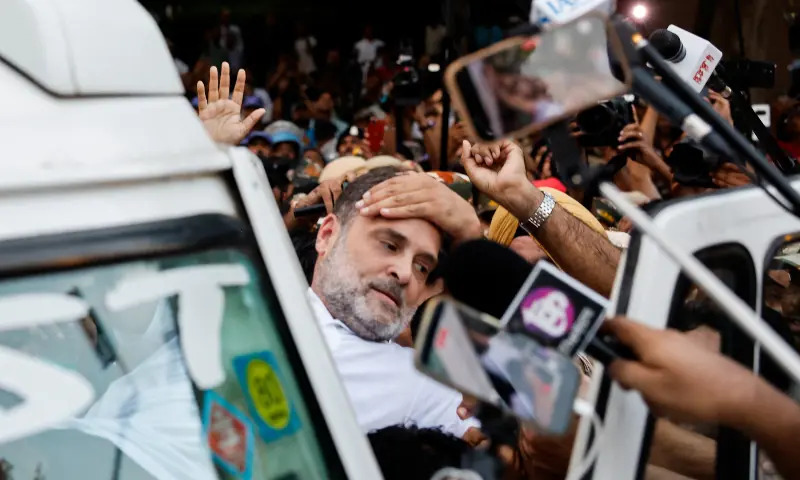
Indian authorities detained opposition leader Rahul Gandhi and several lawmakers for the third time in two days amid escalating protests demanding the election chief's resignation over controversial voter list revisions.
The Core Development
Indian police detained prominent opposition leader Rahul Gandhi alongside several parliamentarians on Wednesday for the third time in two consecutive days. The detentions occurred as opposition lawmakers launched an unannounced street demonstration in New Delhi, demanding the immediate resignation of Chief Election Commissioner Gyanesh Kumar. The political firestorm erupted following a controversial overhaul and revision of national voter lists, which critics argue threatens the integrity of upcoming electoral processes.
The demonstrations have steadily intensified over the past week. Opposition political parties, allied student organizations, and the emerging "cockroach" youth movement have organized nearly daily protests across strategic metropolitan intersections. The epicenter of the crisis traces back to a revealing report published last month by the Indian Express, which exposed sharp internal disagreements and friction within the election panel regarding the methodology and transparency of updating electoral rolls. This journalistic disclosure instantly galvanized opposition ranks, stoking deep-seated public concerns regarding the administrative neutrality and independence of India's premier democratic institutions.
Commercial & Economic Implications
While primarily a political crisis, the deepening institutional instability in New Delhi carries nuanced commercial and economic repercussions across the broader South Asian region, directly concerning commercial entities such as Kalyar Traders. Political volatility and prolonged civil unrest in India frequently introduce volatility into regional equity markets, investor sentiment, and cross-border supply chain expectations. Institutional erosion in major neighboring economies often triggers currency fluctuations and cautious capital allocation by international institutional investors scanning the subcontinent.
For Pakistan-based commercial operations and wholesale distributors, heightened political friction in India dampens any immediate prospects for diplomatic thaw or bilateral trade normalization. Cross-border commercial channels remain severely constrained, and political distractions in New Delhi ensure that strategic economic corridors and bilateral trade agreements will remain frozen. Furthermore, prolonged domestic unrest in India can impact regional commodity pricing trends, agricultural supply expectations, and investor risk premiums across South Asian emerging markets, requiring local Pakistani enterprises to maintain highly agile procurement and hedging strategies.
Related Intelligence: Supreme Court Rules Marriage Can Be Dissolved on Shiqaq Grounds Without Proof of Cruelty
Stakeholder Perspectives & Market Reactions
Reaction to the sweeping detentions and the broader electoral controversy has exposed a deeply polarized nation. Prominent trader associations, chambers of commerce, and civil society bodies in India have expressed mounting anxiety over how institutional credibility crises affect consumer confidence and domestic retail trade. Major industry bodies have privately warned that protracted street protests and legislative gridlock risk distracting policymakers from critical economic reforms, infrastructure spending, and inflation management.
Legal experts and constitutional scholars have weighed heavily into the controversy, emphasizing that the independence of the Election Commission is paramount for maintaining investor confidence in democratic stability. Meanwhile, government spokespersons and ruling party officials have staunchly defended the Chief Election Commissioner, dismissing the opposition's protests as politically motivated maneuvers designed to undermine legitimate administrative procedures and electoral reforms. Public response remains starkly divided, with youth factions escalating demonstrations even as police deployment across central New Delhi reaches unprecedented levels.
Forward Outlook & Key Watchpoints
As the political standoff persists, market analysts and regional observers are closely monitoring several critical indicators over the coming weeks. The primary watchpoint is whether the opposition coalition can sustain its street mobilization or if the government will leverage state machinery to suppress further demonstrations. Key milestones include upcoming judicial interventions or petitions filed in higher courts challenging the disputed voter list revisions.
For regional businesses, tracking the trajectory of India's internal political crisis is essential for anticipating shifts in macroeconomic stability and foreign policy postures. If institutional pressures force compromises within the Election Commission, it could alter the political landscape ahead of crucial regional polls. Conversely, entrenched polarization threatens to prolong legislative paralysis, with direct implications for regional stability and cross-border economic engagement throughout South Asia.
Join Our Official WhatsApp Channel
Receive live commodity alerts, policy changes, and commercial intelligence directly on WhatsApp.