
Indian Activists Released as Electoral Integrity Disputes Draw Global Scrutiny
The release of Indian civil society campaigners detained over election commission protests highlights growing debates surrounding institutional independence, with subtle implications for foreign capital flows and global trade sentiment.
Geopolitical & Core Developments
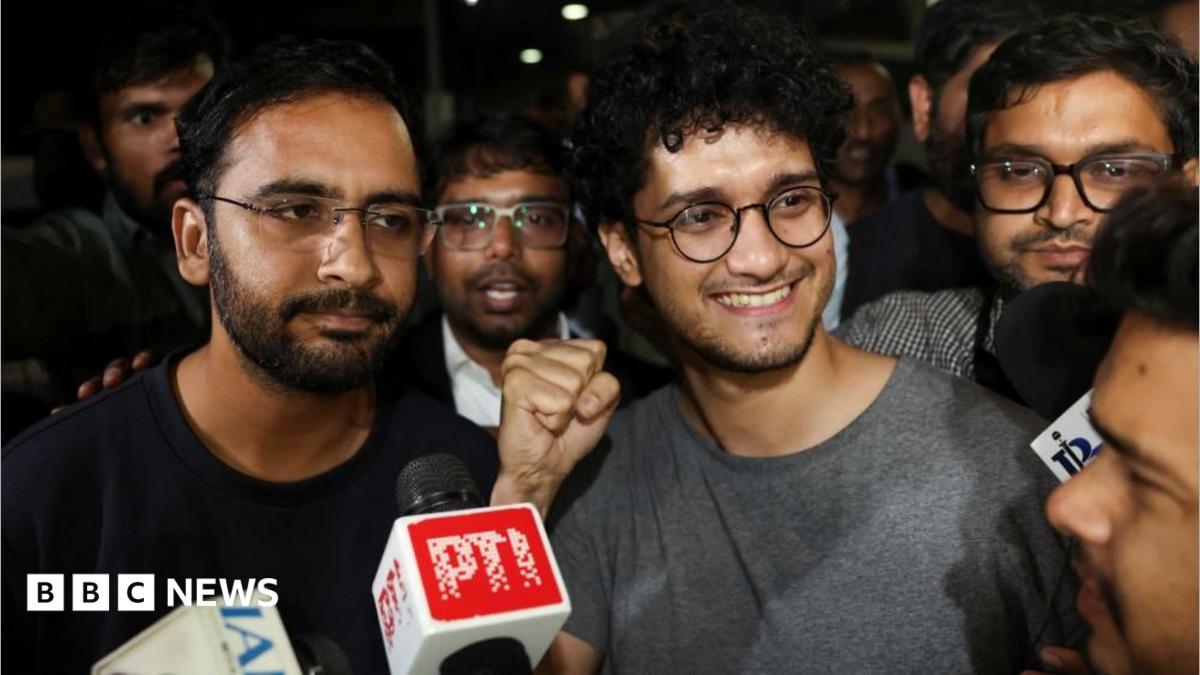
A New Delhi judicial magistrate granted bail to prominent transparency advocates Saurav Das and Ashutosh Ranka, concluding days of detention stemming from an unauthorized assembly directed against the Election Commission of India. The activists, affiliated with civil society movements challenging electoral transparency and automated voting mechanisms, were arrested after attempting to access a restricted demonstration zone in the capital. The episode followed high-profile public statements demanding the resignation of the Chief Election Commissioner over allegations of institutional bias and transparency deficits in parliamentary voting tallies.
The detentions have amplified domestic friction concerning the operational autonomy of constitutional watchdogs in the world's most populous democracy. Over recent election cycles, opposition coalitions and civil society monitors have increasingly scrutinized institutional processes, questioning the efficacy of voter turnout verification and campaign expenditure enforcement. State authorities maintained that the arrests were strictly regulatory enforcement measures intended to prevent public disorder within designated sensitive security zones. However, legal representatives for the detainees argued that administrative machinery was being selectively utilized to suppress critical civic dialogue.
Global Trade & Economic Ripples
While localized public order incidents in New Delhi do not directly imperil maritime trade lanes or primary commodity distribution networks, institutional governance perceptions remain deeply entwined with long-term investment sentiment. India has positioned itself as the preeminent alternative in multinational 'China-plus-one' supply chain reconfiguration strategies, attracting substantial capital into domestic manufacturing, electronics assembly, and strategic infrastructure.
International portfolio investors and corporate risk assessors evaluate political risk through the prism of institutional predictability, contract sanctity, and regulatory neutrality. Prolonged disputes regarding constitutional autonomy risk generating headline friction that can temper risk appetites among foreign institutional investors. The Indian rupee, which has traded in a defined corridor influenced by central bank intervention and energy import bills, remains sensitive to shifts in foreign capital flows. Sustained institutional polarization could introduce volatility into sovereign risk metrics, subtly influencing external financing costs for Indian corporate entities seeking dollar-denominated debt abroad.
Related Intelligence: Iran Enriched Uranium Stockpiles Complicate Indirect Negotiations with United States
International Reactions & Diplomatic Stances
International responses to administrative detentions of civil society figures in India continue to reflect a complex balance of diplomatic calculation and rights advocacy. Human rights monitoring organizations, including Amnesty International and regional civil society coalitions, issued formal appeals criticizing the pre-trial detentions as disproportionate curbs on fundamental freedoms of assembly and expression.
Conversely, Western partner governments, including members of the Quadrilateral Security Dialogue, have generally avoided direct public criticism, prioritizing broader strategic alignment in the Indo-Pacific theater. European diplomatic missions in New Delhi have privately tracked election administration practices, balancing the preservation of bilateral free trade negotiations with long-standing governance criteria established under standard foreign policy frameworks. Global market analysts have largely categorized the detentions as managed domestic political friction rather than systemic institutional failure, though they note that persistent friction damages soft-power projection.
Strategic Outlook & Future Scenarios
The trajectory of domestic civil liberties enforcement in India will face sustained examination as critical state elections approach. Activist groups are expected to press their legal challenges through appellate courts, demanding explicit judicial safeguards regarding the right to peaceful assembly near administrative landmarks. Should these legal battles intersect with broader public demonstrations over governance transparency, administrative responses will be closely observed by multilateral monitoring agencies.
Over the medium term, New Delhi must balance maintaining domestic administrative control with preserving its global standing as an open, rule-of-law destination for multinational commerce. Any perceived deterioration in institutional accountability could feed into annual global democracy and governance indices, metrics that multinational institutional investors increasingly cross-reference against long-term capital expenditure plans.
Join Our Official WhatsApp Channel
Receive live commodity alerts, policy changes, and commercial intelligence directly on WhatsApp.