
India Protest Traditions Resurface Amid Emerging Disputes Over Electoral Integrity
Civil society groups are invoking India's long history of mass mobilization against contested electoral procedures, raising broader questions for institutional stability and international capital flows.
Geopolitical & Core Developments
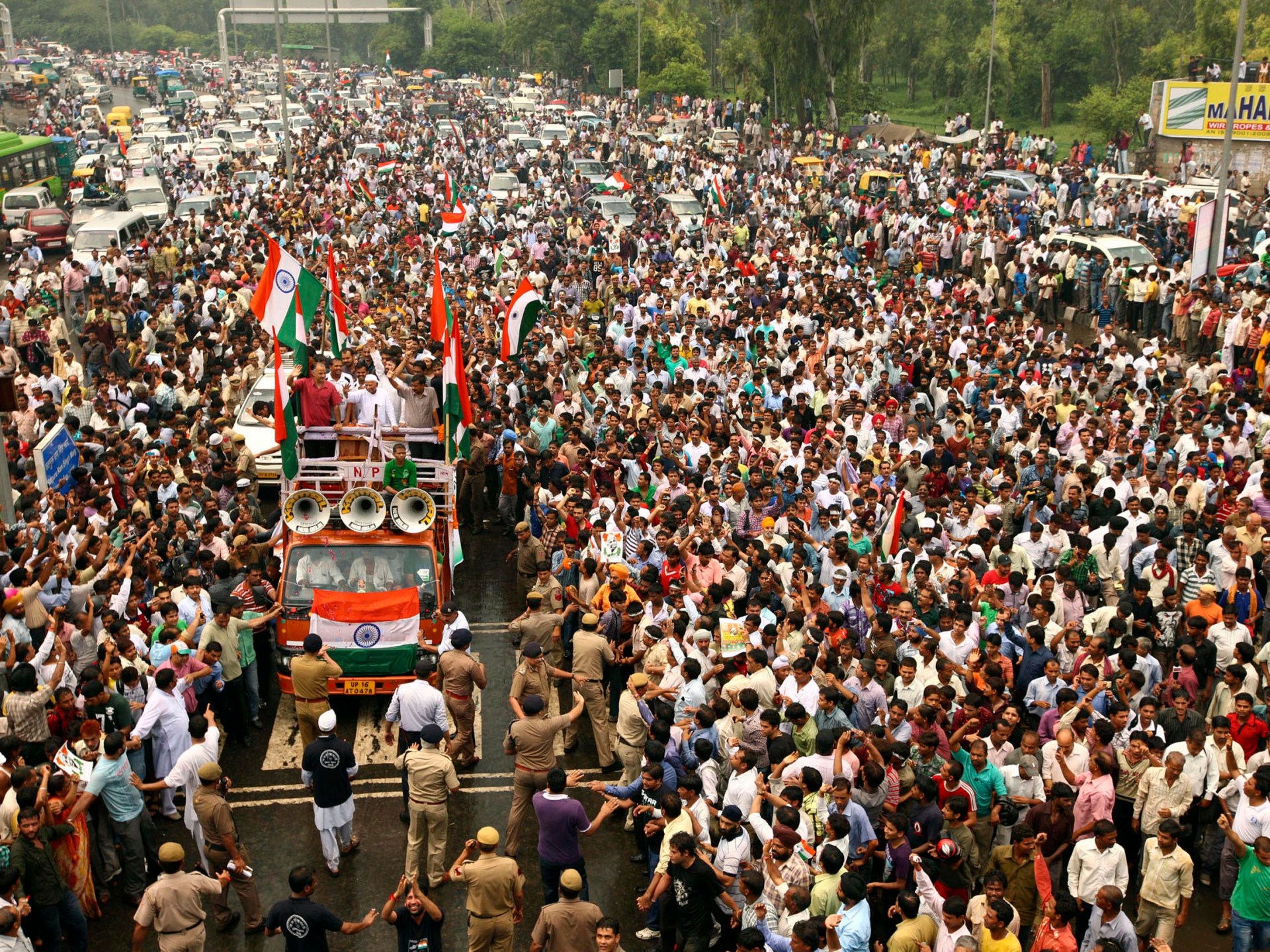
India's political landscape is experiencing renewed friction as civil society groups, opposition factions, and grassroots organizations raise institutional challenges over recent electoral roll revisions. This emerging friction draws on a century-old lineage of civic agitation, ranging from the anti-Hindi demonstrations of the 1960s to the sustained agricultural blockades that forced the repeal of national farm laws in 2021. Demonstrators assert that arbitrary disenfranchisement and procedural opacity threaten constitutional norms, while the ruling establishment maintains that regulatory adjustments are essential for administrative rationalization and institutional integrity.
The strategic stakes extend beyond domestic partisan contestation. India's geopolitical architecture rests heavily on its self-identification as the world's most populous democracy—a narrative instrumental in solidifying bilateral partnerships within the Quadrilateral Security Dialogue (Quad) and expanding defense linkages with Western capitals. Sustained domestic unrest tends to challenge this narrative, testing the executive branch's internal stability at a time when New Delhi seeks to project sovereign authority across the Indo-Pacific and counter regional influence from Beijing.
Global Trade & Economic Ripples
While historical demonstrations in India often centered on cultural identity or domestic agrarian economics, modern civic friction immediately reverberates through cross-border trade architecture. The 2020–2021 farm protests illustrated how regional blockades around the National Capital Region can sever industrial arteries, stall inland container transport, and disrupt crucial agricultural exports, including basmati rice, wheat, and refined sugar. A resurgence of prolonged mass assembly poses comparable downside risks to current industrial freight corridors.
Furthermore, global institutional investors are evaluating how sustained civil resistance intersects with sovereign risk premiums and policy predictability. As Western multinationals pursue 'China-plus-one' diversification strategies, India has emerged as a premier beneficiary for electronics manufacturing, automotive fabrication, and pharmaceutical APIs. Chronic internal friction and potential labor union mobilizations could impede port throughput, complicate multimodal logistics, and introduce unexpected foreign exchange volatility for the Indian rupee against the U.S. dollar, unsettling forward supply planning.
Related Intelligence: Peshawar High Court Moved Over Detention of KP Chief Minister
International Reactions & Diplomatic Stances
Multilateral monitoring bodies and international human rights rapporteurs have historically scrutinized New Delhi's management of civic assemblies, internet shutdowns, and regulatory oversight of non-governmental organizations. United Nations special procedures have periodically issued inquiries urging state authorities to protect peaceful assembly and safeguard voter franchise frameworks. Western diplomatic partners, however, have historically balanced these governance concerns against overarching geopolitical alignments, typically issuing measured appeals for constitutional due process rather than punitive diplomatic actions.
Market intelligence firms and global credit rating agencies assess the institutional friction from an economic continuity perspective. Analysts note that democratic checks and balances in India remain vigorous, but widespread popular movements can occasionally force policy reversals or delay fiscal reforms. Rating agencies emphasize that stable political governance and unimpeded regulatory operations are critical prerequisites for maintaining India's investment-grade sovereign credit profile.
Strategic Outlook & Future Scenarios
Moving forward, India's civic resistance movements face divergent potential trajectories. A primary scenario involves the institutionalization of grievances through judicial review, with the Supreme Court of India arbitrating electoral roll transparency to de-escalate street-level tensions before formal election cycles commence. Under this pathway, market sentiment is anticipated to stabilize, and logistical corridors will operate without structural disruption.
Conversely, should localized demonstrations coalesce into broad cross-sector coalitions—incorporating agrarian bodies, student unions, and organized labor—the administration could encounter recurrent logistical friction across northern and southern industrial belts. As India prepares for upcoming regional elections and diplomatic engagements under multilateral groupings, the government's ability to balance domestic dissent with continuous economic expansion remains a decisive factor for international capital markets.
Join Our Official WhatsApp Channel
Receive live commodity alerts, policy changes, and commercial intelligence directly on WhatsApp.