
Parliament Endorses Federal Emergency in Khyber Pakhtunkhwa Amid Security Crisis
Both houses of Pakistan's Parliament have officially passed resolutions endorsing the federal imposition of emergency and Governor's rule in Khyber Pakhtunkhwa following escalated security concerns and jurisdictional friction.
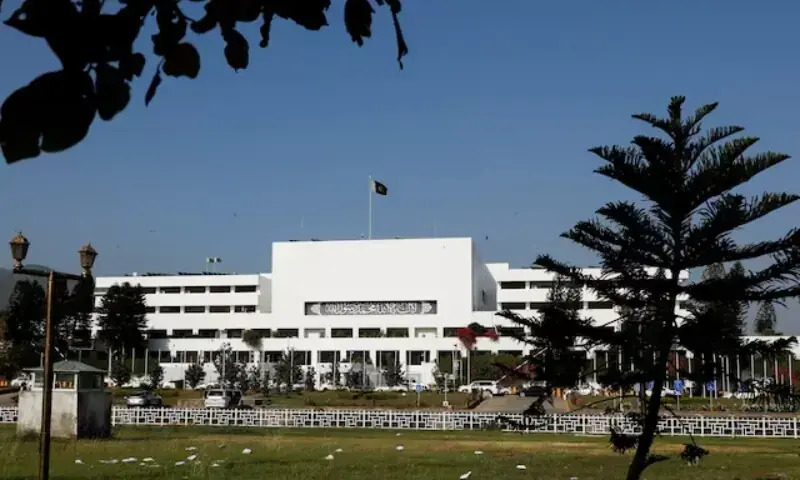
The Core Development
In a decisive legislative maneuver, Pakistan's bicameral Parliament formally endorsed the federal government's proclamation of emergency and the imposition of Governor's rule in Khyber Pakhtunkhwa. The National Assembly adopted the statutory resolution following a contentious session during which standard agenda items, including the Question Hour, were suspended to expedite the debate. Hours later, the Senate echoed the lower house by adopting a matching resolution, cementing central executive authority over the northwestern province.
Minister for Parliamentary Affairs Tariq Fazal Chaudhry introduced the motions in both chambers, acting on the directives of the federal cabinet. The measure follows the formal proclamation approved by the President earlier in the week, an action triggered by what the federal executive characterized as the provincial administration's deliberate disengagement from counter-terrorism efforts and national security mandates. With parliamentary ratification secured pursuant to constitutional requirements, the federal government now holds consolidated administrative oversight over the province's executive machinery, security deployment, and operational policing frameworks.
Commercial & Economic Implications
The centralisation of governance in Khyber Pakhtunkhwa carries immediate operational repercussions for commerce, cross-border transit, and regional commodity distribution. KP functions as a vital conduit for the Afghan Transit Trade and domestic freight movement connecting northern resource hubs to central consumption centers in Punjab and southern ports. The imposition of emergency protocols inevitably brings reinforced security checkpoints, restrictive logistics procedures, and heightened vigilance along primary transit arteries, including the Indus Highway and the M-1 Motorway.
Wholesale distributors and fast-moving consumer goods networks anticipate transitory supply chain friction. Freight carriers operating through the province have reported increased transit times due to security screening, which risks elevating short-haul transportation tariffs. In agricultural and staple commodity markets, localized supply delays could induce transient price volatility across urban wholesale centers in Peshawar, Mardan, and Swat. Furthermore, private capital deployment and planned provincial infrastructure projects face budgetary recalibrations as administrative priorities pivot toward law enforcement and administrative consolidation.
Related Intelligence: PTI Challenges Emergency and Governor Rule in Khyber Pakhtunkhwa High Court
Stakeholder Perspectives & Market Reactions
Reactions from trade bodies and industry stakeholders reflect a mix of apprehension regarding commercial continuity and cautious recognition of the need for stability. Chambers of Commerce across the province have urged the federally appointed administration to prioritize the uninterrupted movement of industrial inputs and retail goods. Commercial associations emphasize that enterprise viability in KP remains fragile, vulnerable to sudden political dislocations and jurisdictional disputes between federal and regional entities.
Legal and constitutional scholars have debated the invocation of emergency powers, with opposition parliamentarians challenging the proportionality of the executive order. Conversely, federal authorities defend the maneuver as a vital constitutional intervention designed to restore functional security coordination between provincial law enforcement and national intelligence agencies. Financial analysts note that while domestic sovereign risk indicators remain anchored to macroeconomic reform programs, sub-national political instability poses localized friction that could dampen regional retail activity.
Forward Outlook & Key Watchpoints
The immediate watchpoint will be the operational implementation of Governor's rule, specifically regarding civil administration restructuring, departmental reorganizations, and police command integration. Observers are closely tracking whether provincial bureaucratic channels maintain administrative continuity or experience policy paralysis during this transitional phase.
In the medium term, market participants will monitor legal challenges mounted against the emergency proclamation in superior courts. Economic stakeholders will evaluate the impact on cross-border clearing facilities at the Torkham border crossing, inter-provincial trade corridors, and municipal market functionality across Khyber Pakhtunkhwa.
Join Our Official WhatsApp Channel
Receive live commodity alerts, policy changes, and commercial intelligence directly on WhatsApp.