
Iraq Assures Saudi Arabia Territory Will Not Host Regional Attacks
Iraq has officially assured Saudi Arabia that its sovereign territory will not be leveraged to launch military strikes, following drone attacks against critical Saudi pipeline infrastructure.
Geopolitical & Core Developments
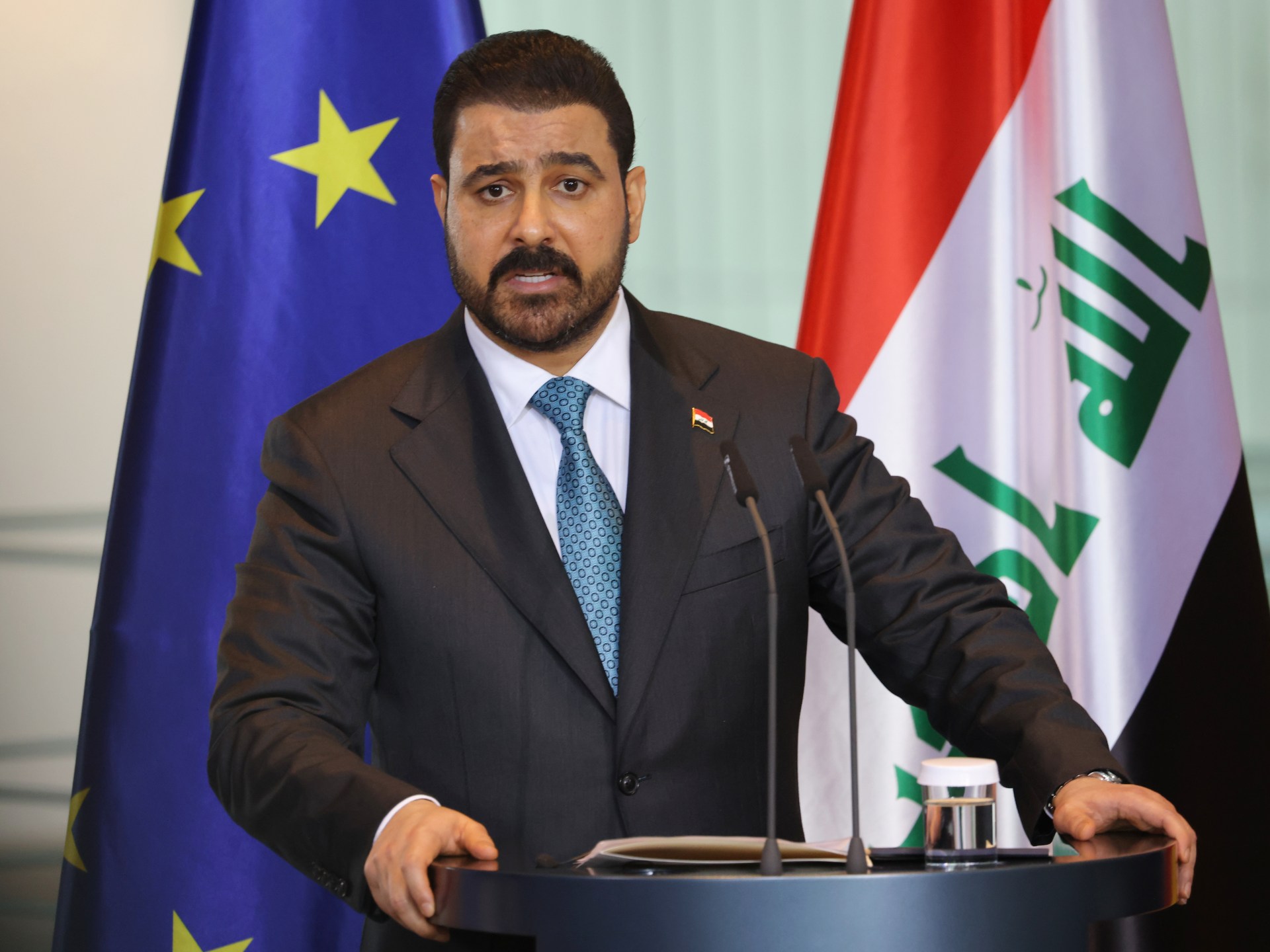
In a critical diplomatic engagement aimed at containing escalating regional hostilities, the Prime Minister of Iraq has directly assured Saudi Crown Prince Mohammed bin Salman that Iraqi territory will not serve as a launchpad for military strikes against the Kingdom. The high-level bilateral communication follows intelligence findings indicating that a targeted drone strike against Saudi Arabia's East-West oil pipeline originated from southern Iraq rather than Yemeni territory, fundamentally shifting threat assessments across the Gulf corridor.
The attack targeted pumping stations along the critical Petroline network, which connects crude oil fields in the Eastern Province to the Red Sea port of Yanbu. While initial claims of responsibility pointed toward regional non-state actors aligned with Tehran, subsequent forensic and military analyses identified operational vectors originating north of the Saudi border. Baghdad faces an increasingly precarious balancing act, caught between its vital strategic partnership with Washington, deep economic aspirations with the Gulf Cooperation Council, and extensive political-paramilitary influence exerted by Iran.
Global Trade & Economic Ripples
The vulnerability of Saudi Arabia's alternative overland crude transit route carries significant commercial ramifications for global energy markets. The East-West pipeline was conceived specifically as a bypass mechanism to guarantee export continuity in the event of maritime disruption or blockades in the Strait of Hormuz. Confirmation that this overland asset is susceptible to cross-border asymmetric warfare has introduced fresh risk premiums into Brent crude and West Texas Intermediate futures contracts.
International marine insurers and maritime transit conglomerates have elevated war-risk premiums for vessels transiting the northern Persian Gulf and Red Sea terminals. For international commodity desks, heightened instability across the Iraqi-Saudi frontier threatens regional logistics hubs, pipeline integrity, and sovereign infrastructure projects. An expanded zone of engagement complicates foreign direct investment flows into southern Iraq's hydrocarbons sector and disrupts bilateral trade corridors between Baghdad and Riyadh.
Related Intelligence: Strait of Hormuz Crisis Deepens as Iran Intensifies Maritime Surveillance
International Reactions & Diplomatic Stances
Regional and Western powers have closely monitored the diplomatic exchange, recognizing the systemic risk of an unintentional conventional confrontation. United States defense officials emphasized collective defense commitments to Gulf allies, dispatching additional intelligence and reconnaissance assets to trace unconventional launch trajectories across the Arabian Peninsula. Officials in Washington underscored that sovereign states must maintain absolute command and control over armed factions within their domestic boundaries.
In Riyadh, state media confirmed the dialogue, emphasizing that national infrastructure and international energy security remain non-negotiable red lines. Regional analysts note that the Saudi leadership has exercised calculated restraint, prioritizing diplomatic leverage over retaliatory kinetic measures to prevent a broader rupture with Baghdad. Multilateral energy monitors, including the International Energy Agency, have reiterated the imperative of shielding global crude transit networks from geopolitical spillover.
Strategic Outlook & Future Scenarios
The near-term trajectory hinges on Baghdad's institutional capacity to rein in autonomous regional paramilitary groups operating outside direct state command. Should rogue factions continue utilizing remote Iraqi territory for regional strikes, Saudi Arabia and international partners may face mounting domestic pressure to conduct targeted interdiction operations, threatening Iraqi sovereignty and internal stability.
Moving forward, regional stabilization will rely on enhanced border surveillance mechanisms, intelligence-sharing frameworks, and ongoing diplomatic engagement between Riyadh, Baghdad, and broader regional stakeholders. As energy markets contend with shifting supply dynamics, any further disruption to alternate export corridors will heighten volatility across global oil pricing, maritime logistics, and emerging market sovereign debt profiles.
Join Our Official WhatsApp Channel
Receive live commodity alerts, policy changes, and commercial intelligence directly on WhatsApp.