
Peshawar High Court Moved Over Detention of KP Chief Minister
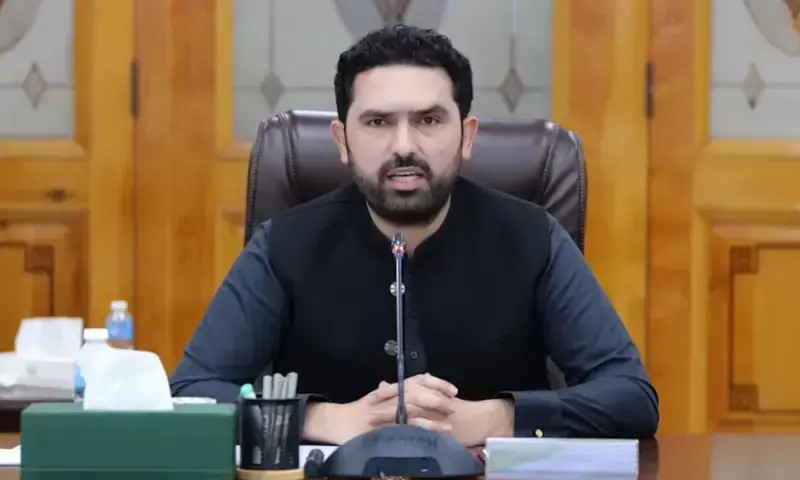
A habeas corpus petition has been filed in the Peshawar High Court challenging the preventative detention and seeking the location of non-functional Khyber Pakhtunkhwa Chief Minister Sohail Afridi amid constitutional emergency.
The Core Development
The political landscape in Khyber Pakhtunkhwa entered deeper institutional uncertainty on Tuesday as the brother of non-functional Chief Minister Sohail Afridi moved the Peshawar High Court (PHC) via a habeas corpus petition to ascertain his official whereabouts. The petition requests judicial intervention to order law enforcement and state authorities to produce the suspended chief executive, who has been incommunicado following direct executive measures taken by the federal government.
The genesis of the crisis traces to October 11, when the federal administration issued proclamations under Articles 232 and 234 of the Constitution of Pakistan, effectively imposing emergency conditions and governor's rule across Khyber Pakhtunkhwa. Following the measure, Pakistan Tehreek-e-Insaf (PTI) leadership alleged that Afridi, alongside several provincial cabinet ministers and senior lawmakers, had been forcibly abducted. The following day, state officials formally confirmed that Afridi and associated cabinet figures were detained under preventative custody provisions to maintain public order and prevent political disruptions during the constitutional transition. The petition before the PHC now seeks legal accountability, citing fundamental rights violations, lack of formal detention disclosures, and denial of legal access.
Commercial & Economic Implications
The escalation of administrative friction in Peshawar carries severe commercial ramifications for Khyber Pakhtunkhwa and the broader national economy. Regional wholesale trade, freight corridors, and retail operations remain tethered to regulatory continuity. The imposition of emergency rule, compounded by the preventative detention of the provincial leadership, has injected severe volatility into commercial markets across Peshawar, Mardan, and surrounding trade clusters.
Wholesale distributors report elevated logistics risks along major transit routes linking central Punjab with Khyber Pakhtunkhwa and transit routes leading toward the Torkham border crossing with Afghanistan. Regional supply chains for perishable commodities, industrial inputs, and fast-moving consumer goods face disruption due to unexpected security cordons, unannounced roadblocks, and heightened surveillance. Extended political volatility threatens to dampen retail consumer demand, as trade associations caution that currency circulation and credit extensions among regional wholesalers tighten significantly whenever provincial governance shifts into crisis mode. This instability exacerbates existing cost-push inflationary pressures across retail centers in northwestern Pakistan.
Related Intelligence: France Contends with Civil Unrest over Controversial Police Firearms Legislation
Stakeholder Perspectives & Market Reactions
Legal practitioners and constitutional scholars have raised immediate concerns regarding the legal justification of invoking emergency powers and preventative detentions simultaneously. Counsel for the petitioner argued before the bench that detaining elected representatives without formal charges violates procedural protections under the law. Conversely, federal authorities defend the measures as essential administrative actions intended to prevent civil unrest and ensure administrative continuity under the newly installed governor's administration.
Market participants, including commercial chambers and retail associations in Khyber Pakhtunkhwa, have expressed profound unease. Business leaders maintain that prolonged executive paralysis undermines commercial confidence, stalls ongoing public-sector development disbursements, and deters inter-provincial investments. Small and medium enterprises operating across industrial estates note that provincial administrative bottlenecks have worsened, with regulatory approvals, taxation inquiries, and customs coordination suffering institutional delays as bureaucracy navigates federal oversight under governor's rule.
Forward Outlook & Key Watchpoints
The trajectory of the legal and commercial environment hinges on the Peshawar High Court's impending proceedings. The court is expected to demand clear compliance reports and personal appearance schedules from provincial police authorities and the interior ministry regarding the physical custody and conditions of Afridi's detention.
In the near term, stakeholders must monitor two critical pivot points: first, whether legal challenges against the invocation of Articles 232 and 234 proceed to broader constitutional benches in superior courts; second, whether political confrontations provoke widespread trade strikes or transit shutdowns in major transit hubs. For distributors, institutional traders, and logistics operators across northern Pakistan, managing freight insurance, building inventory buffers, and mitigating cash flow vulnerabilities remain crucial strategies as the administrative impasse continues.
Join Our Official WhatsApp Channel
Receive live commodity alerts, policy changes, and commercial intelligence directly on WhatsApp.